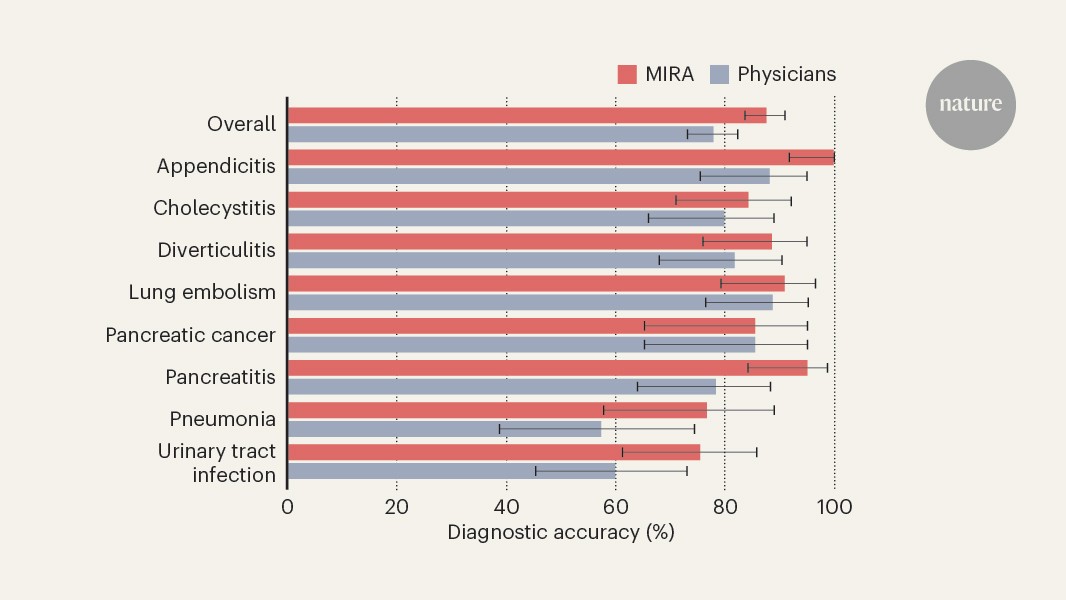
The rapid advancement of medical artificial intelligence (AI) is outpacing the development of reliable methods to assess its effectiveness, raising concerns about how to determine what truly works in this emerging field.
The recent development of two medical AI assistants has highlighted a critical issue: evaluating the performance of these technologies as they become more sophisticated. The core challenge lies in establishing standardized and robust ways to measure their success and ensure patient safety.
According to Nature, published online on July 28, 2026, the question isn’t simply *if* medical AI works, but *how* to best evaluate what works. This is becoming increasingly urgent as AI tools are integrated into healthcare systems at an accelerating pace. The article points out that without clear evaluation metrics, it's difficult to confidently deploy these technologies and realize their full potential.
The development of effective evaluation methods is crucial for building trust in medical AI and ensuring its responsible implementation. Currently, the field lacks consensus on best practices for assessing accuracy, reliability, and clinical impact. This gap hinders progress and creates uncertainty about the value of these tools.
We don't rate truth. We strip the spin and show you which perspectives covered the story. You decide.
Read the original coverage
💬 Comments
📜 Comment Policy