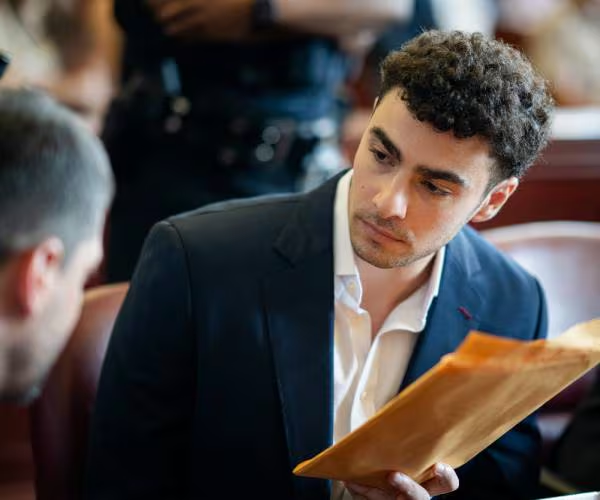
Luigi Mangione, the individual accused of fatally shooting a health insurance executive on a sidewalk in Manhattan, has withdrawn his plans to argue at trial that he was suffering from an extreme mental health crisis. This development marks a significant shift in the legal strategy for the defendant, who is facing murder charges in connection with the death of UnitedHealthcare CEO Brian Thompson.
The decision to withdraw the psychiatric defense comes just one day after Mangione’s legal team announced their intention to argue that the defendant was suffering from extreme emotional disturbance at the time of the alleged crime. The sudden reversal suggests a strategic recalibration by the defense counsel, although specific reasons for the withdrawal were not immediately detailed in the initial reports. By removing this line of defense, Mangione is effectively stepping away from the argument that his mental state should mitigate his criminal responsibility or serve as a basis for insanity.
Mangione was arrested shortly after the incident, which occurred in New York City. The victim, identified as Brian Thompson, was the chief executive officer of UnitedHealthcare, one of the largest health insurance companies in the United States. The shooting took place on a public sidewalk, drawing widespread attention due to the high profile of the victim and the nature of the crime. Prosecutors have charged Mangione with murder, and the case has garnered significant media coverage across various political spectrums.
The withdrawal of the mental health defense alters the trajectory of the upcoming trial. Previously, the defense had signaled an intent to focus on Mangione’s psychological condition, potentially aiming to establish that he was not fully responsible for his actions due to extreme emotional disturbance. This legal argument often requires extensive psychiatric evaluation and testimony from expert witnesses. The abandonment of this strategy may indicate that the defense team found the evidence insufficient, or they may be pivoting to a different legal approach, such as claiming self-defense or challenging the prosecution's narrative of premeditation.
Legal experts note that mental health defenses in high-profile murder cases are complex and often face significant scrutiny from both the prosecution and the public. The decision to withdraw such a defense can impact how the jury perceives the defendant’s state of mind during the trial. It also raises questions about the overall strategy Mangione’s lawyers will employ to contest the charges.
The case has highlighted broader issues regarding healthcare policy and corporate accountability, given the victim's role in the insurance industry. However, the immediate legal focus remains on the facts of the shooting and Mangione’s culpability. The trial proceedings will now proceed without the layer of psychiatric evaluation that was previously planned to be a central component of the defense.
As the trial date approaches, attention will turn to how the prosecution presents its case against Mangione and whether the defense can mount an effective challenge without relying on the mental health argument. The outcome of this case may have implications for future legal strategies in similar high-profile crimes involving corporate executives.
Read the original coverage
💬 Comments
📜 Comment Policy