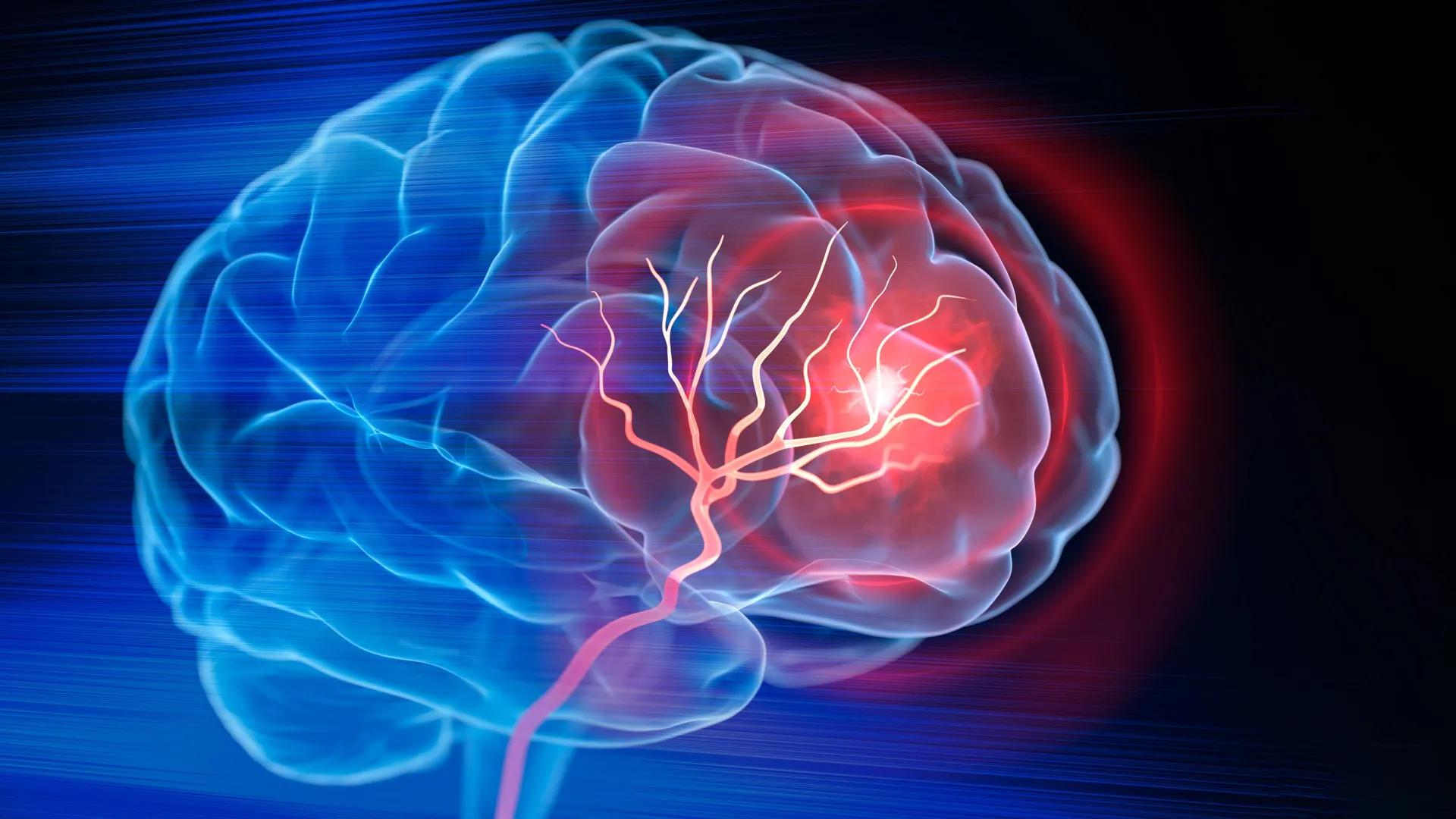
Duke University researchers have developed an injectable biomaterial that promotes brain tissue repair in mice following ischemic stroke. The treatment, detailed in *Cell Biomaterials*, encourages blood vessel growth, nerve regeneration, and improved motor function by leveraging the body’s own immune response.
The biomaterial, called MAPS (microporous annealed particle scaffolds), consists of hydrogel microparticles that form a porous structure within the stroke cavity. This structure provides a framework for cells to rebuild neural tissue. Tatiana Segura, the Robert Plonsey Distinguished Professor of Biomedical Engineering at Duke, explained the team’s goal: “Our goal is to engineer the injured space so that immune, vascular and neural repair processes can begin to work together.”
The research focused on recruiting the body’s immune cells, specifically astrocytes, to guide the repair process. Astrocytes release extracellular vesicles (EVs) which carry proteins and lipids. The treatment appears to work partly by recruiting the body’s own immune cells, including neutrophils that may switch from damaging to helpful under the right conditions. In experiments, the MAPS scaffold transformed the cavity created by lost brain tissue into a more favorable environment for healing, supporting changes in neural tissue and improving motor function in the animals. The treatment was tested on mice experiencing ischemic stroke, where a blood clot blocks blood flow to the brain. While emergency treatments can restore circulation, they cannot replace lost brain tissue. Rehabilitation helps surviving circuits adapt, but does not rebuild the damaged region.
Read the original coverage
💬 Comments
📜 Comment Policy