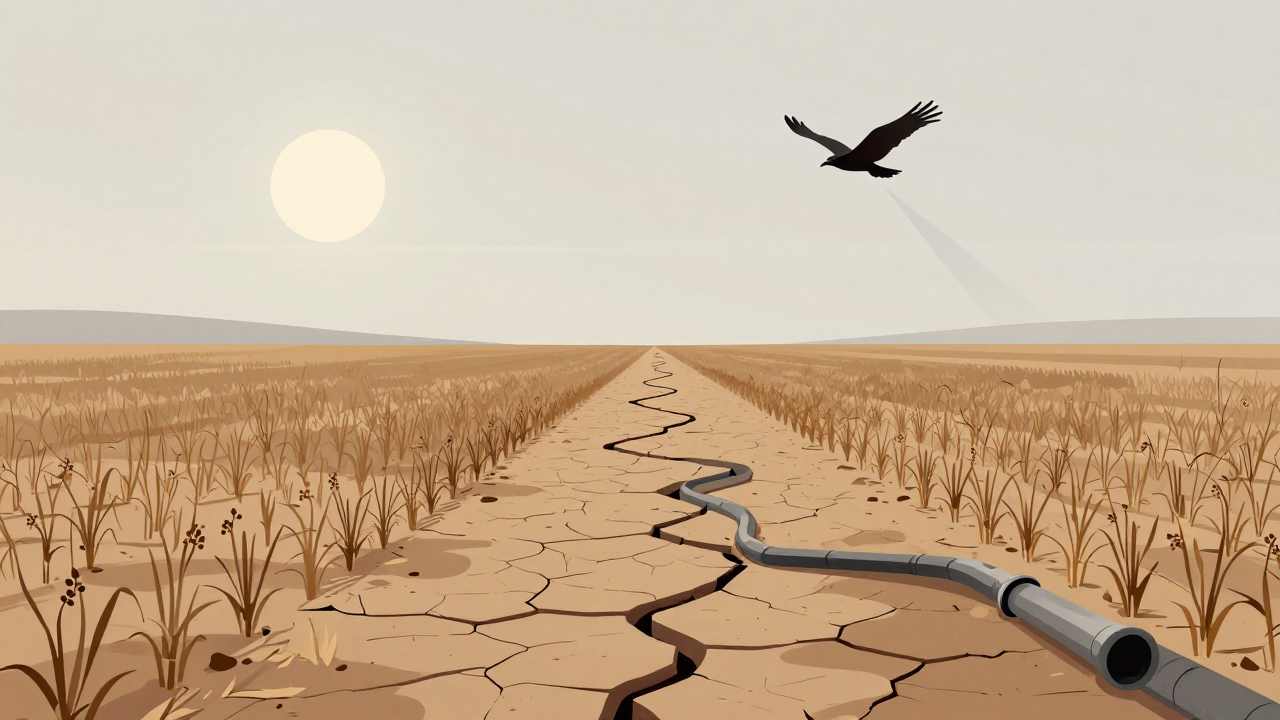
Recent heatwaves are exposing critical weaknesses in food systems worldwide, threatening food security and highlighting the need for greater resilience. The issue isn't simply about crop failure, but about interconnected vulnerabilities across the entire supply chain.
According to a recent report published in *Nature* on August 18, 2026, extreme heat is disrupting agricultural production, processing, transport, and even consumer access to food. The report details how these disruptions are not isolated incidents but rather symptoms of systemic fragility. “It’s not just about the crops failing in the field,” the article states, “it’s about the knock-on effects on processing facilities, transportation networks, and ultimately, people’s ability to afford food.”
The article points to several key areas of concern. Heatwaves can damage infrastructure crucial for food storage and transportation, such as roads and refrigerated warehouses. Labor shortages, exacerbated by heat stress, further compound these problems. The interconnectedness of the global food system means that disruptions in one region can quickly ripple outwards, impacting food availability and prices in distant locations.
The report emphasizes that addressing these vulnerabilities requires a multifaceted approach. This includes investing in heat-resistant crop varieties, improving infrastructure resilience, and strengthening social safety nets to protect vulnerable populations. The article suggests that a failure to address these issues will likely lead to more frequent and severe food crises in the future.
We don't rate truth. We strip the spin and show you which perspectives covered the story. You decide.
Read the original coverage
💬 Comments
📜 Comment Policy