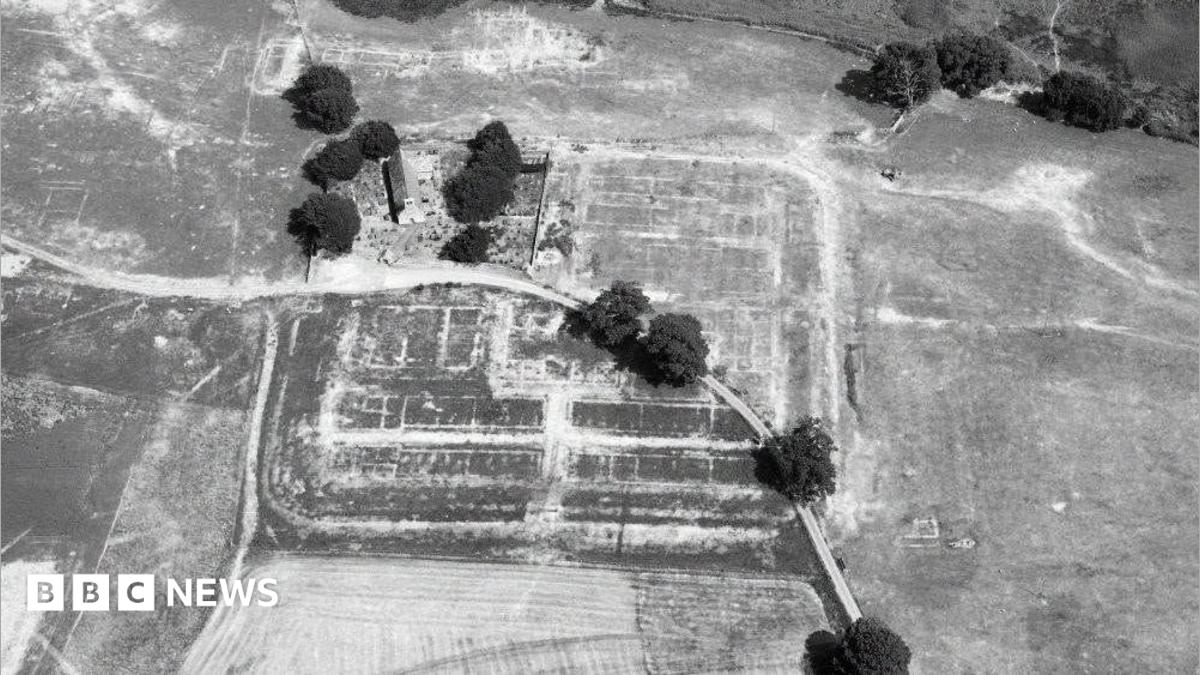
Prolonged periods of extreme heat and minimal rainfall across Wales have exposed a wealth of previously hidden archaeological remains, including sites not clearly visible for decades. The Royal Commission of Wales has reported the emergence of these sites following recent heatwaves, with some having remained unseen for decades.
The unusually dry conditions—the country received roughly five percent less rainfall than usual—have led to the discovery of various historical features across the Welsh landscape. While specific details regarding the nature and extent of these newly revealed archaeological remains are not detailed in available reports, their exposure underscores the impact of climate factors on preserving and revealing cultural heritage.
The Royal Commission of Wales noted that some of these known sites have not been seen clearly in decades, suggesting the recent heatwaves provided a unique opportunity for observation and documentation. The prolonged heat has effectively lowered the ‘water table’ allowing features to become visible from above. No right-leaning outlets reported on this story.
The emergence of these archaeological sites raises questions about the long-term preservation of such remains in the face of increasingly frequent and intense extreme weather events. While the current conditions have facilitated their discovery, future climate changes could potentially damage or obscure them again.
Read the original coverage
💬 Comments
📜 Comment Policy