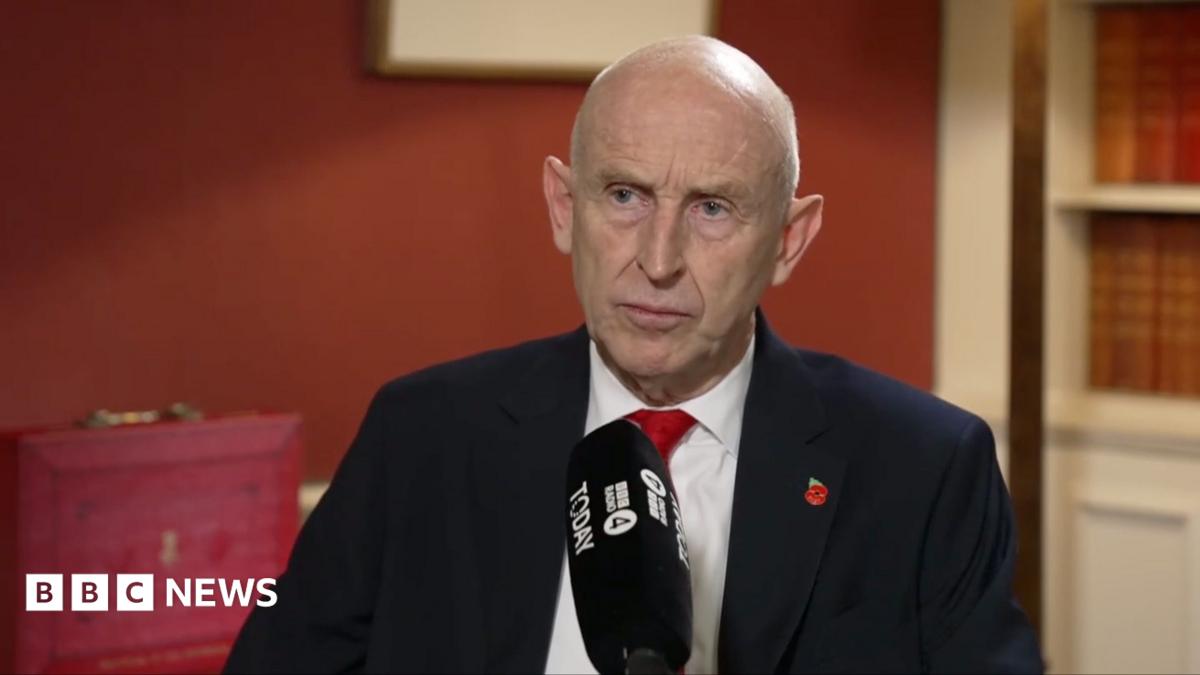
Chancellor John Healey has committed to a reduction in the UK’s welfare bill before the next general election, despite deferring specific policy changes until after the publication of two key reviews in November. The Office for Budget Responsibility (OBR) forecasts welfare spending will rise from £334 billion last year to £431 billion by 2030, driven largely by health and pensioner benefits. Healey indicated a “Labour way” of approaching reductions, focusing on support for young people not in education, employment, or training (NEET) and reforms to disability benefits. He ruled out “crude cuts” but acknowledged the current system is “unsustainable.”
The commitment came after criticism from Conservative and Reform UK parties, who accused Labour of prioritizing welfare spending. Kemi Badenoch, leader of the Conservative Party, stated the benefits bill is “going up by tens of billions of pounds.” The Liberal Democrats called for welfare reform that focuses on helping people into work. Healey emphasized a “moral duty” to assist the nearly one million young people currently out of work, believing their economic contribution can help lower the overall bill.
The two reviews, co-chaired by Sir Stephen Timms on disability benefits and Alan Milburn on young people, are expected to inform a policy document later this year, followed by legislation next year. Healey highlighted a model used by previous Labour governments, involving conditions on welfare payments for young people, with “tough” expectations for those who do not engage with support programs. The OBR forecasts that approximately half of the projected increase in welfare spending will be allocated to pensioners, and a quarter to sickness and disability benefits. Helen Miller of the Institute for Fiscal Studies noted that the government still faces “many difficult decisions” despite the budget.
Our reading is that Chancellor Healey is attempting to establish a pragmatic position on welfare reform, acknowledging the need for reductions while distancing Labour from accusations of “crude cuts”. The deferral of specific policy details until November’s reviews suggests a cautious approach, prioritizing informed decision-making over immediate political gains. The emphasis on young people and disability benefits, coupled with the acknowledgement of an “unsustainable” system, indicates a focus on areas where Labour perceives both fiscal necessity and potential for targeted intervention.
Read the original coverage
💬 Comments
📜 Comment Policy