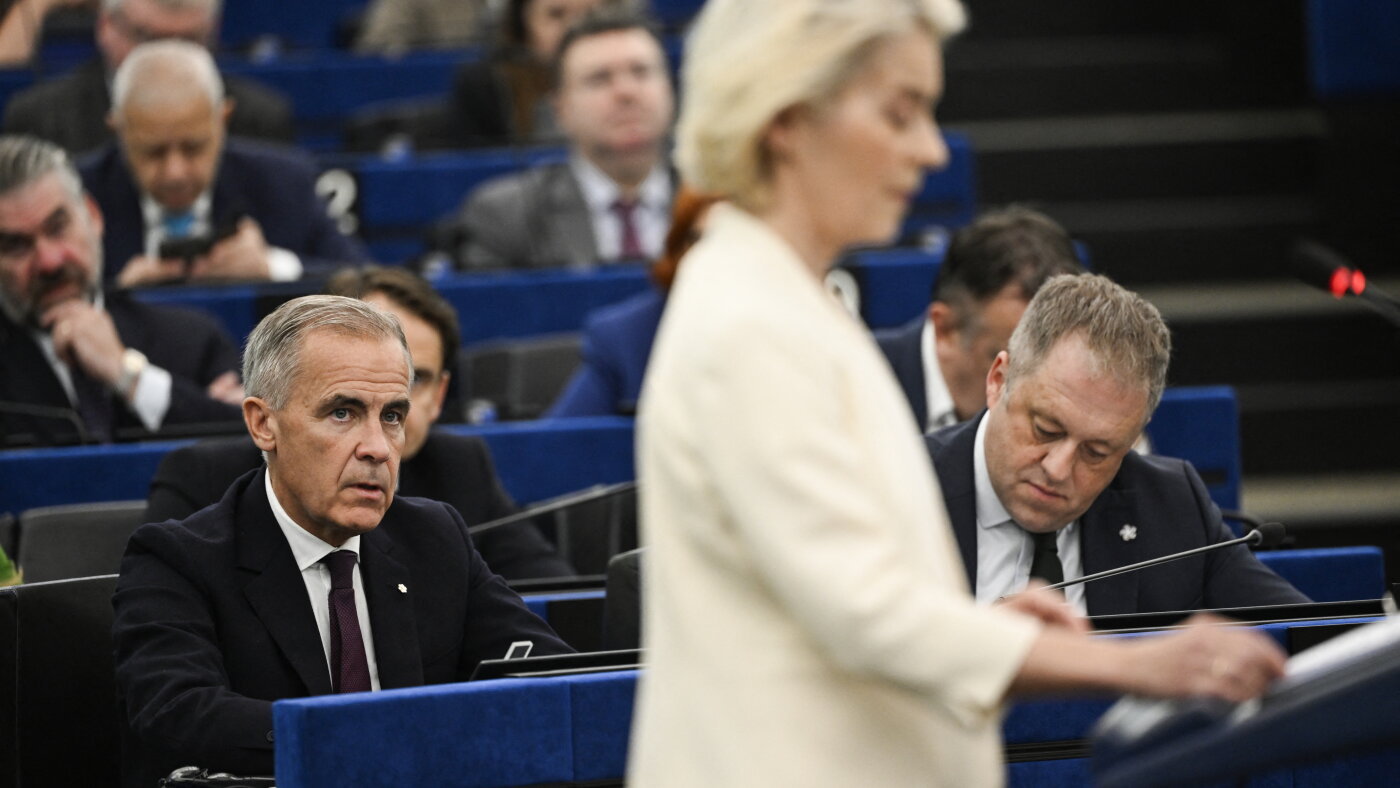
The European Union has proposed a new “associate member” status for Canada, a first-of-its-kind relationship intended to strengthen ties amid shifting global dynamics. European Commission President Ursula von der Leyen announced the proposal Wednesday with Canadian Prime Minister Mark Carney in attendance, framing it as a partnership built on shared democratic values. The move comes as both the EU and Canada seek to deepen cooperation, particularly in technology, defense, and energy, and as Canada diversifies its defense ties away from the United States. President Donald Trump responded sharply, calling the idea “laughable” and threatening “very serious tariffs” if he deems it a “hostile act.”
Von der Leyen described the proposed relationship as not being “against anyone,” but the context of strengthening partnerships outside of the US was apparent. Carney has been advocating for closer cooperation among “middle powers,” warning against the weaponization of economic integration. Rem Korteweg of the Dutch Clingendael Institute noted that Carney’s message has resonated in Europe, with many seeing a need for closer ties with Canada. Canada has formally applied to join the British-led Joint Expeditionary Force military coalition, signaling a move to diversify its defense relationships.
The specifics of “associate membership” remain undefined. While Canada does not seek full integration into the EU’s single market, the exact implications for trade and cooperation are still to be determined. Von der Leyen envisions a broader “alliance for the future” encompassing areas like intelligent manufacturing, tech, defense industrial bases, and the Arctic. Trump’s response, delivered after a campaign rally in North Carolina, indicated his reaction would depend on his assessment of the EU’s intentions. He suggested the possibility of imposing tariffs or halting trade with Europe if he views the move as adversarial.
Read the original coverage
💬 Comments
📜 Comment Policy