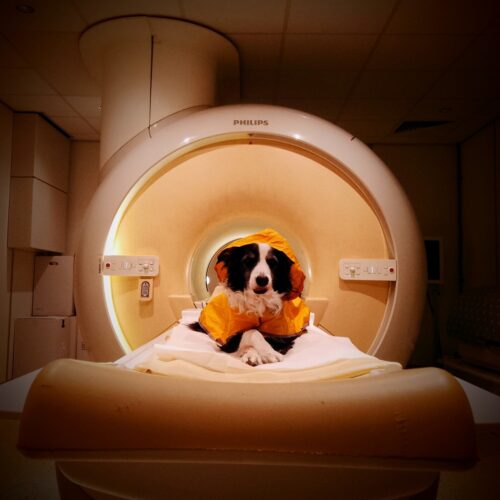
Functional magnetic resonance imaging (fMRI) scans reveal that dogs can differentiate between human emotions, exhibiting unique brain activity patterns when exposed to expressions of happiness, fear, anger, and sadness. The research demonstrates a neurological basis for the long-suspected emotional intelligence in canines.
The study, as reported by ars_technica_science, utilized fMRI technology to observe canine brain activity while subjects were presented with images depicting various human emotions. Researchers found that each emotion – happiness, fear, anger, and sadness – triggered a demonstrably different pattern of neural response within the dogs' brains.
The findings suggest dogs don’t just *react* to human emotional cues; they actively process and differentiate between them at a neurological level. This provides scientific backing for anecdotal evidence suggesting dogs are highly attuned to their owners’ feelings. The research highlights how dogs may be able to understand not only *that* an owner is experiencing an emotion, but also *what* that emotion is.
We don't rate truth. We strip the spin and show you which perspectives covered the story. You decide.
Read the original coverage
💬 Comments
📜 Comment Policy