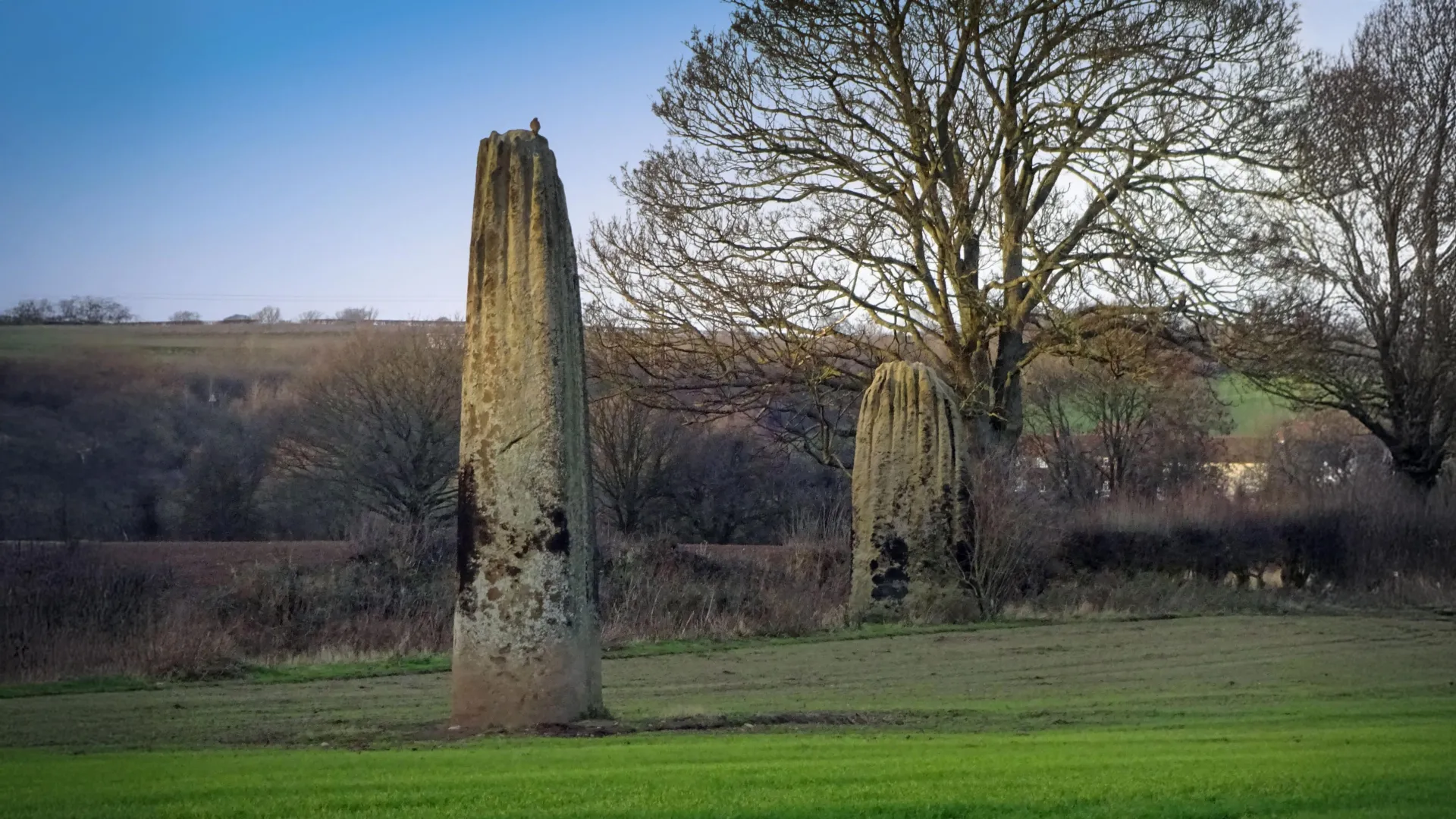
Britain’s Devil’s Arrows, the nation’s tallest stone row, were constructed using 25-tonne stones transported at least 11 miles from Brimham Rocks around 2000 BC, according to new research. The discovery, led by Dr. Anthony Clarke of Curtin University, reveals a significant feat of prehistoric engineering and suggests the stones’ origin held cultural or spiritual importance for the builders.
The towering Devil’s Arrows, located near Boroughbridge in North Yorkshire, reach heights of seven meters (23 feet). Despite their size, the source of the stones remained unknown until now. Researchers traced the stones back to Brimham Rocks, challenging previous assumptions that the stones came from the closer Plumpton Rocks.
“Our research shows these stones weren't simply taken from the nearest available source -- they were deliberately chosen from a challenging landscape 18 kilometers away,” said Dr. Anthony Clarke, from the Timescales of Mineral Systems Group within Curtin’s School of Earth and Planetary Sciences. “Each stone weighs more than 25 tonnes, so moving them would have required incredible planning, coordination and engineering skill.”
The study, conducted in collaboration with the University of York, indicates that the builders prioritized meaning over convenience. Dr. Jim Leary from the University of York explained, “These results show that ancient communities were making deliberate and meaningful choices about where their stones came from. It highlights the importance of landscape and shared belief systems.” The stones were likely transported and erected during the Late Neolithic or Early Bronze Age.
Read the original coverage
💬 Comments
📜 Comment Policy