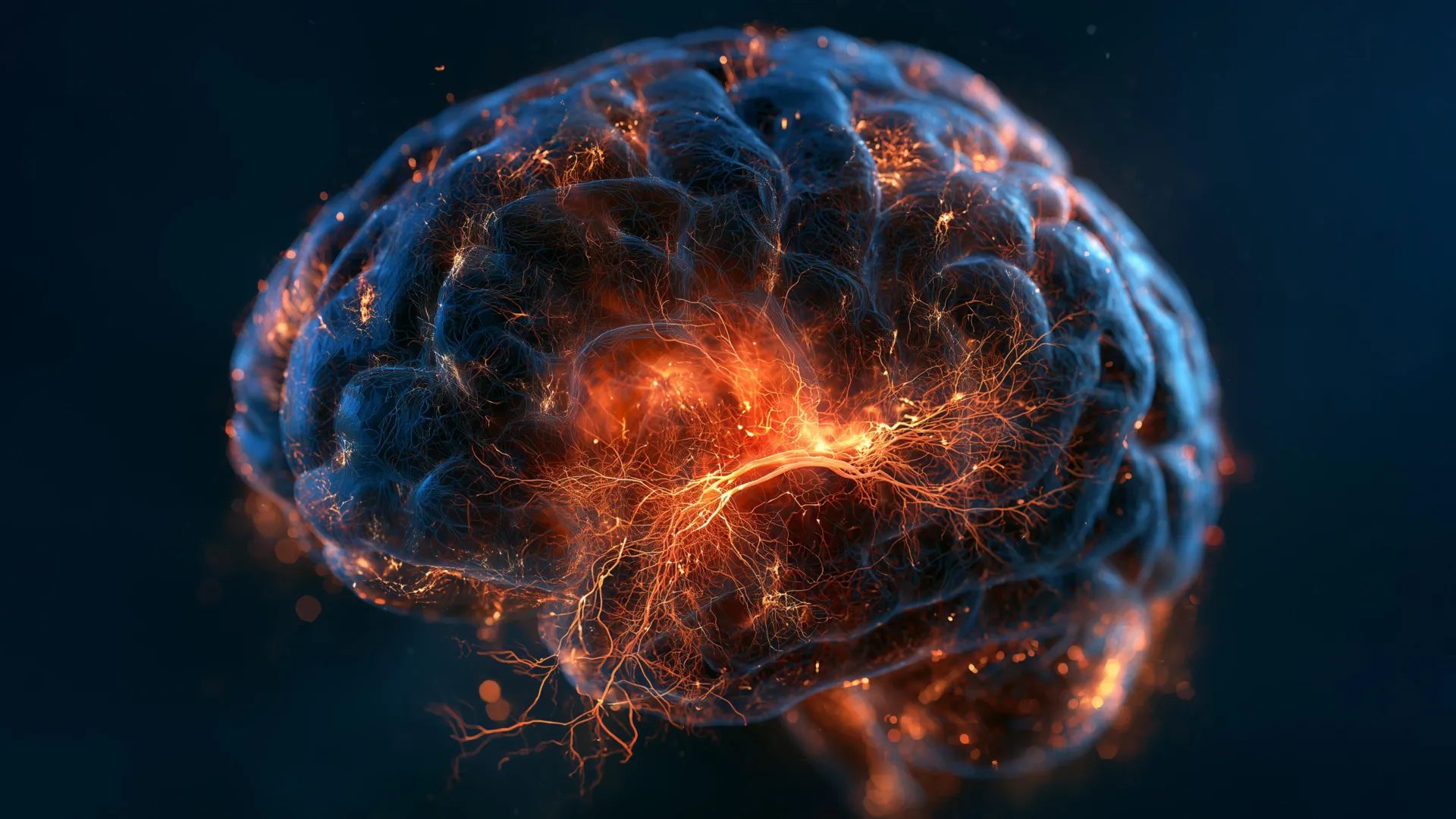
A new study reveals a potential biological mechanism behind depression, finding disrupted neuron production in the hippocampus of adults experiencing the condition. Researchers identified molecular changes that could lead to more targeted treatments.
A major study has found that adults with depression show disrupted production of new neurons in the hippocampus, a key brain region associated with learning and memory. The research suggests this disruption may weaken the brain’s ability to differentiate between new experiences and painful memories.
The researchers identified broad molecular changes, potentially opening the door to new treatments tailored to different biological forms of depression. The study details how depression may impact the brain’s neuroplasticity – its ability to form new neural connections. This impaired neuroplasticity could contribute to the persistent negative thought patterns and emotional difficulties characteristic of depression.
The findings highlight a potential biological basis for depression beyond psychological or environmental factors. By understanding these molecular changes, scientists hope to develop more effective and personalized therapies for individuals struggling with this common mental health condition.
Read the original coverage
💬 Comments
📜 Comment Policy