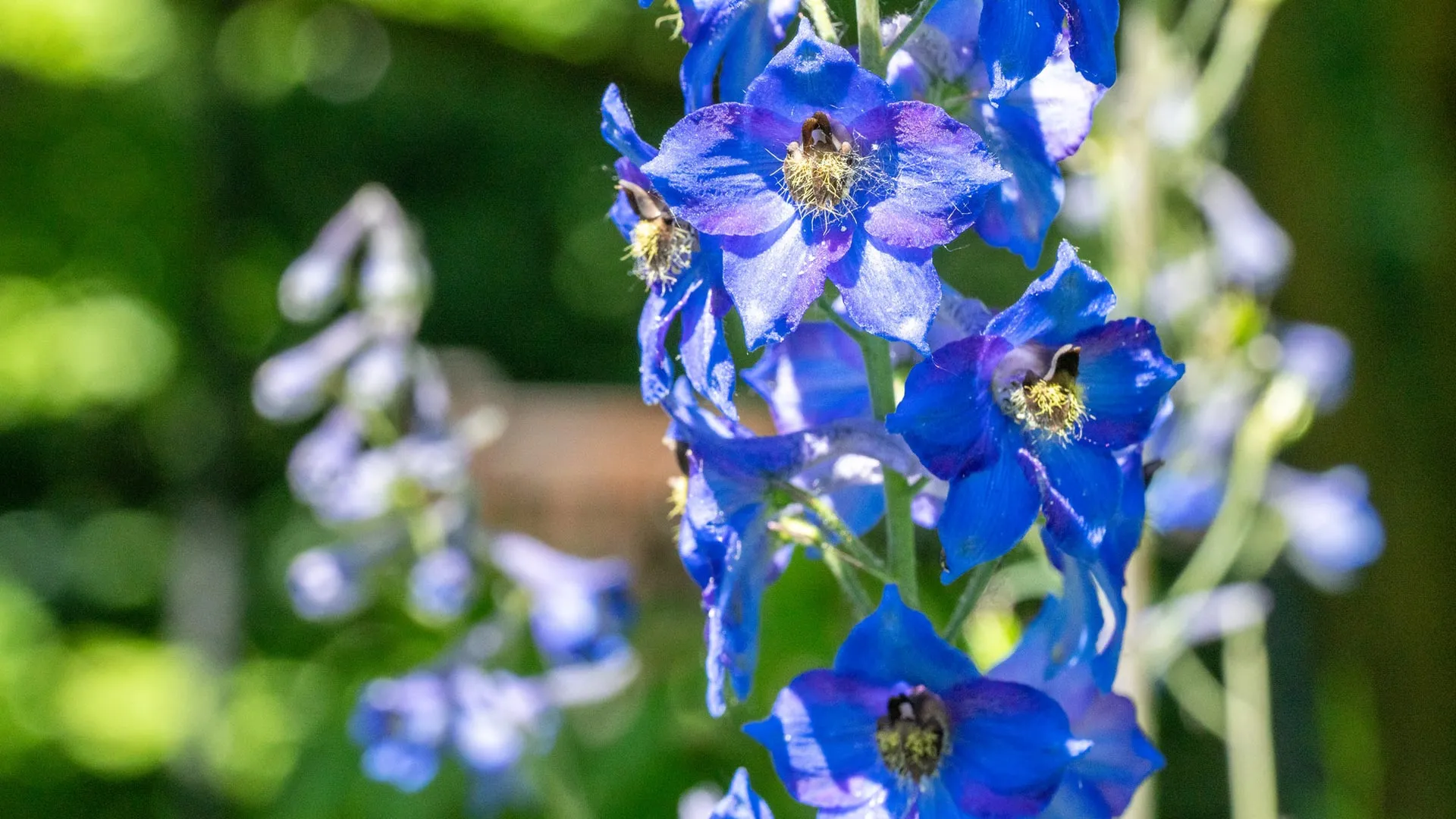
Scientists have identified enzymes in wolfsbane and larkspur that create compounds with potential medical applications. The research offers a sustainable method for producing these rare molecules for further study.
A team of scientists has determined how two highly poisonous plants, wolfsbane and larkspur, produce chemicals that could be used to develop powerful new medicines. Researchers tracked thousands of genes within the plants to pinpoint six enzymes crucial in building a complex compound called atisinium.
The research details how these enzymes work together to create atisinium, a molecule with promising medicinal properties. By understanding this process, the team was able to recreate it inside tobacco plants. This innovative approach provides a sustainable and scalable way to produce larger quantities of these rare molecules for testing and potential drug development.
According to the source material, this method is significant because it offers a means to obtain sufficient amounts of atisinium for comprehensive research. The scientists hope that further investigation into atisinium will lead to breakthroughs in treating various diseases.
We don't rate truth. We strip the spin and show you which perspectives covered the story. You decide.
Read the original coverage
💬 Comments
📜 Comment Policy