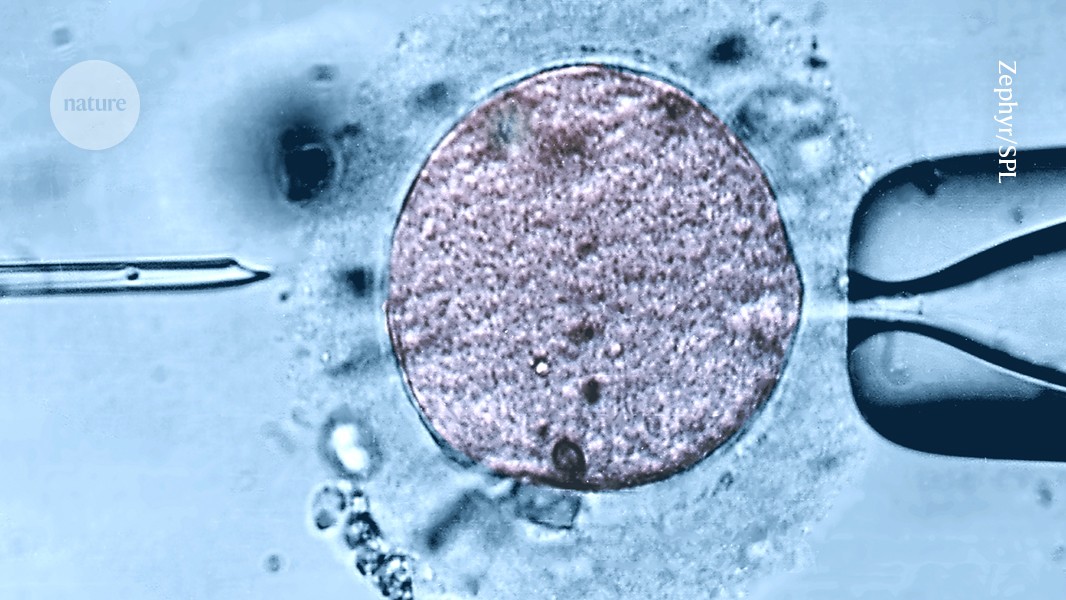
Fertility clinics globally are increasingly offering a controversial technique involving the transfer of mitochondria from young donors into the eggs of women undergoing fertility treatment. Researchers express concern over the lack of rigorous study surrounding this procedure.
The practice, first reported by *Nature* on July 28, 2026, involves taking mitochondria – energy-producing organelles within cells – from younger individuals and introducing them into the eggs of patients. The stated aim is to improve egg quality and potentially increase chances of successful fertilization, particularly for women with declining fertility or those who have experienced repeated failed IVF cycles.
Researchers are alarmed by the widespread availability of this technique, noting that it has not been subjected to sufficient scientific scrutiny. According to *Nature*, clinics around the world are actively advertising the procedure despite the absence of long-term studies on its safety and efficacy. The lack of rigorous testing raises concerns about potential unintended consequences for both the resulting child and future generations.
The article highlights a gap between clinical practice and established scientific standards, with researchers emphasizing the need for comprehensive research before such procedures become commonplace.
We don't rate truth. We strip the spin and show you which perspectives covered the story. You decide.
Read the original coverage
💬 Comments
📜 Comment Policy