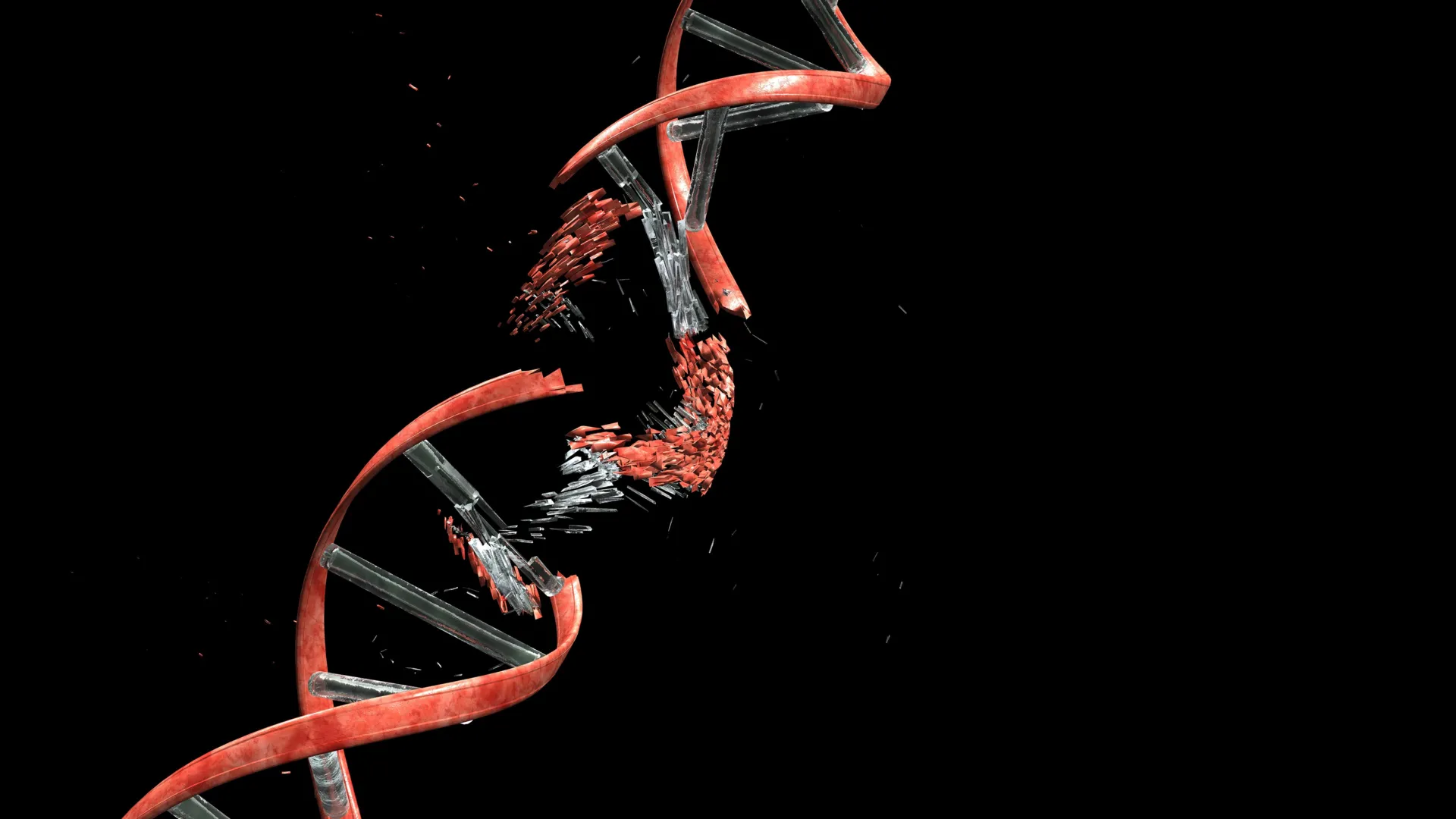
A new study suggests cancer cells may inadvertently contribute to their own evolution and growth through repeated DNA damage. Researchers believe this self-inflicted genetic instability could also present a novel avenue for treatment development.
Cancer cells utilize powerful genetic switches to maintain high levels of activity in genes that promote growth. However, this intense activity can cause damage to the cancer cell’s own DNA. According to ScienceDaily, the resulting breaks are constantly repaired, but these repairs aren't always perfect.
The repeated repair process sometimes introduces small errors, leading to an accumulation of new mutations within the tumor. Researchers propose that this self-inflicted damage may be a key factor in how tumors evolve and adapt, allowing them to become more aggressive or resistant to treatment.
“The resulting breaks are repeatedly repaired, sometimes with small mistakes that allow new mutations to accumulate,” ScienceDaily reports. The study suggests that targeting these DNA repair mechanisms could potentially disrupt the cancer’s ability to evolve and spread, offering a promising strategy for future therapies.
We don't rate truth. We strip the spin and show you which perspectives covered the story. You decide.
Read the original coverage
💬 Comments
📜 Comment Policy