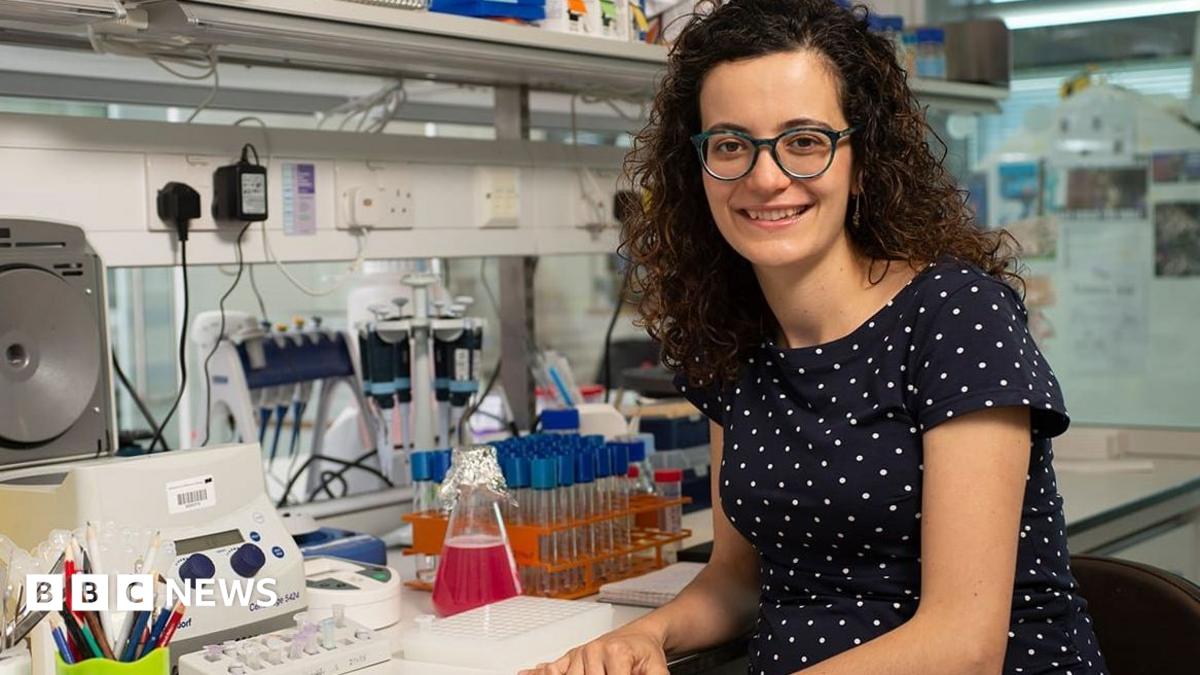
A University of Cambridge scientist, Dr. Marta Shahbazi, was among the 69 people killed Wednesday in a high-speed train collision near Urda, Spain. Dr. Shahbazi, an affiliate associate professor and group leader at the Medical Research Council Laboratory of Molecular Biology (LMB) in Cambridge, was traveling to receive the Spanish Society for Developmental Biology’s scientific excellence award for her research on early human development and causes of failed pregnancies. The LMB described her death as a “profound shock and a huge loss,” noting her work illuminated the earliest steps of human embryo development and her role as a “mother scientist” who balanced family and career. The crash occurred when a Renfe high-speed train collided with a stationary Iryo train; it is one of the worst rail disasters in Europe's modern history, prompting three days of national mourning in Spain. Dr. Shahbazi earned her PhD at the Spanish National Cancer Research Centre before joining Cambridge in 2020. The Center for Research in Molecular Medicine and Chronic Diseases (CiMUS) in Santiago de Compostela first confirmed her death via social media. This incident marks Spain's second high-speed rail crash this year, both occurring on the Madrid-Seville line, and Prime Minister Pedro Sánchez has promised an investigation.
Dr. Roser Vento-Tormo, a group leader at the Wellcome Sanger Institute, described Shahbazi as a close collaborator, treasured friend, and inspiration, noting that some of their co-authored work will be published posthumously. The LMB highlighted that Dr. Shahbazi had received numerous awards and prizes throughout her career and was a role model for balancing professional and family life. More than 540 people were on board both trains involved in the collision.
Read the original coverage
💬 Comments
📜 Comment Policy