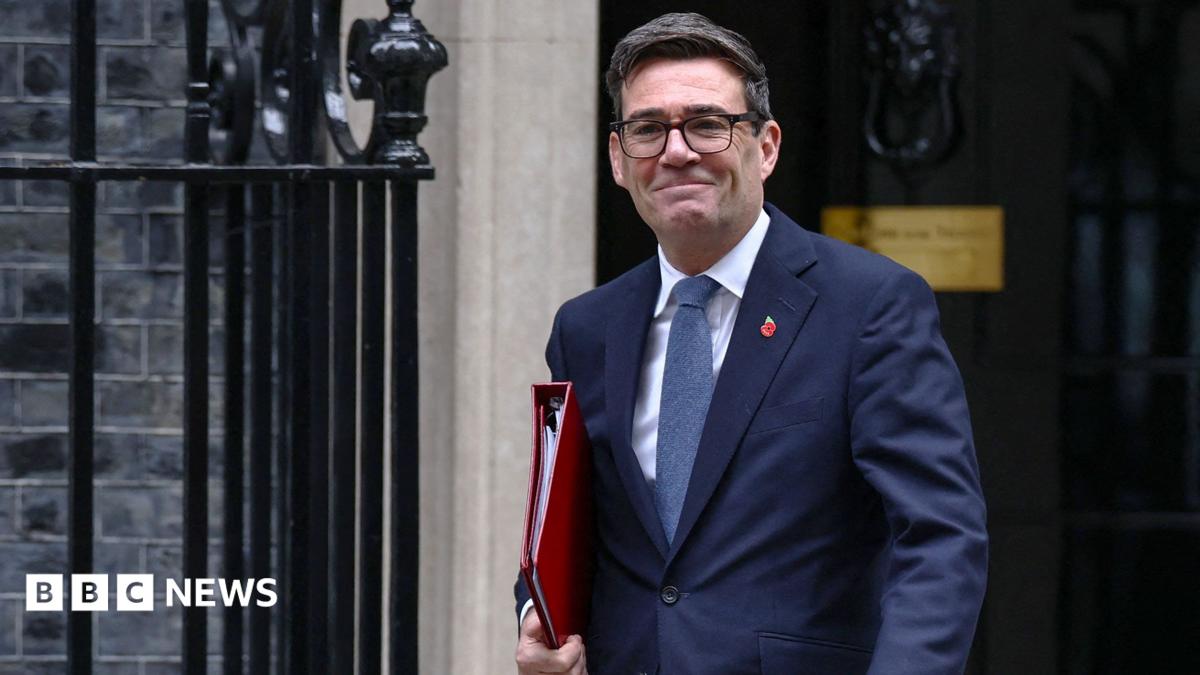
Prime Minister Andy Burnham has publicly ruled out an early general election, despite increasing speculation following the recent Budget. While Burnham maintains his intention to hold an election no earlier than August 2029, multiple MPs suggest a spring election is possible, fueled by what they see as pre-election measures in Chancellor John Healey’s Budget. These measures include £100 help for many with energy bills, extending VAT cuts on electricity bills, and a Your First Home scheme for young voters. Some Conservative MPs believe Healey is delaying difficult decisions on welfare and defense until after a potential election, while Kemi Badenoch has questioned the limited timeframe of some of the voter-friendly measures. The Liberal Democrats have even placed themselves on a “snap election footing,” predicting a 30% chance of a December election, and Reform UK leader Nigel Farage suggests a May election is possible.
However, predictions of an early election largely originate from opposition MPs, and Burnham has repeatedly denied any plans for an early vote. Arguments against an election in the near term include Burnham’s current popularity and Labour’s lead in most polls, as well as recent difficulties for the Reform party. The Chancellor faces challenges in funding increased defense spending, reducing the welfare bill, and cutting departmental spending, leading some to believe these issues are being postponed until after a potential election.
Left-leaning outlets emphasize the possibility of a spring election based on the Budget’s contents and the Prime Minister’s popularity, while right-leaning coverage focuses on Burnham’s denials and the logistical challenges of an early poll. Not in dispute is that an election must be held by August 2029.
Our reading is that while Prime Minister Burnham publicly denies plans for an early election, the actions of his Chancellor, coupled with speculation from opposition MPs, suggest a willingness to prepare for one. The Budget appears designed to offer immediate benefits to voters, potentially laying the groundwork for a campaign, but Burnham’s current poll lead and logistical challenges create internal tension regarding the timing of a vote. The differing media coverage highlights the partisan nature of the debate, with left-leaning outlets emphasizing potential electioneering and right-leaning outlets focusing on the Prime Minister’s denials.
Read the original coverage
💬 Comments
📜 Comment Policy