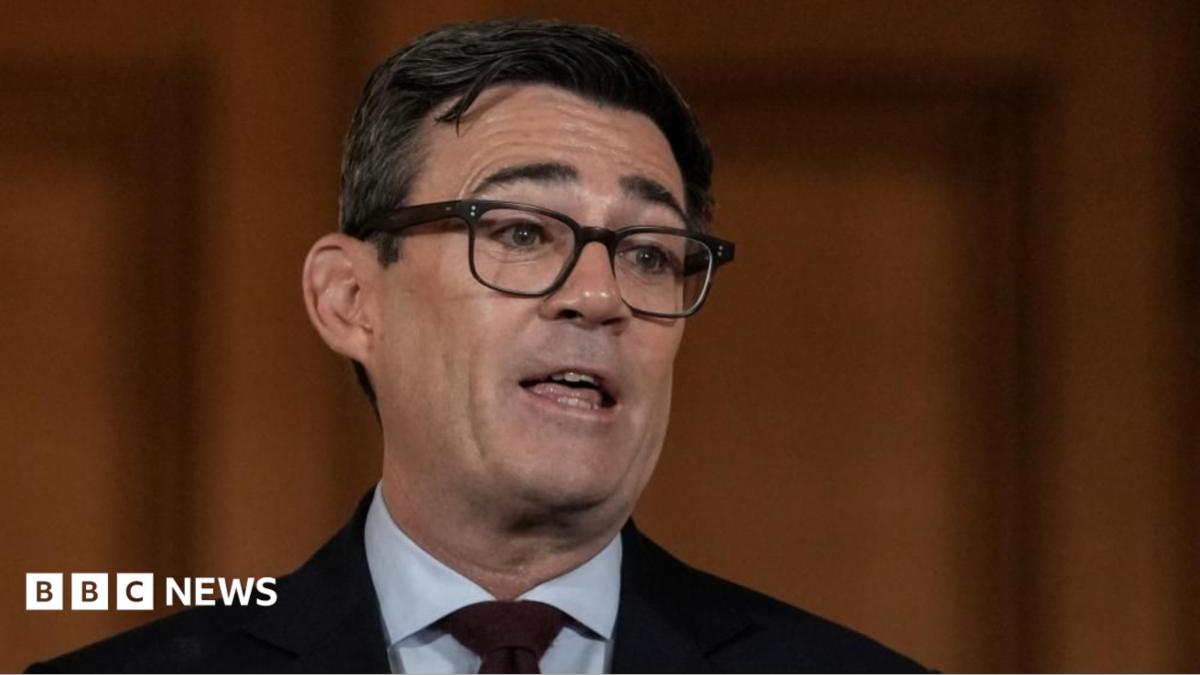
Prime Minister Andy Burnham has stated he is open to a formal apology from the UK for its role in the transatlantic slave trade, but remains opposed to financial reparations. Burnham, writing in The Guardian, expressed “sorrow and regret” for the suffering caused by slavery and indicated willingness to engage in a “structured dialogue” with affected parties, including consideration of a formal apology. He maintains the position of previous governments, arguing that current British citizens should not be held liable for historical wrongs.
Burnham’s comments come ahead of a Commonwealth leaders summit in the Caribbean, where calls for both an apology and reparations have been renewed, particularly from Caribbean nations during King Charles III’s tour. Barbados Prime Minister Mia Mottley welcomed Burnham’s openness to dialogue while continuing to seek “reparatory justice.” The Repair Campaign founder, Denis O’Brien, expressed disappointment, calling for an immediate full and formal apology.
From the 16th century, Britain was a major participant in the slave trade, and in 1833, Parliament abolished slavery, compensating plantation owners for the loss of their enslaved people. The UK finished paying off the debt related to these payments in 2015. Burnham has proposed a new initiative to restructure debt for the poorest Commonwealth countries, led by former Prime Minister Gordon Brown, as an alternative to reparations. A government source indicated that Burnham’s stance is “morally the right thing to do” and aligns with strengthening the Commonwealth amidst global competition from countries like China and Russia.
Our reading is that Prime Minister Burnham is attempting a delicate balancing act. He signals a willingness to acknowledge past wrongs through an apology and dialogue, while firmly rejecting financial reparations, a position consistent with previous governments. This approach appears designed to appease calls for restorative justice from Caribbean nations, particularly ahead of the Commonwealth summit, without opening the UK to potentially substantial financial liabilities, and to project an image of leadership on the world stage. The emphasis on debt restructuring suggests an alternative form of addressing historical economic imbalances.
Read the original coverage
💬 Comments
📜 Comment Policy