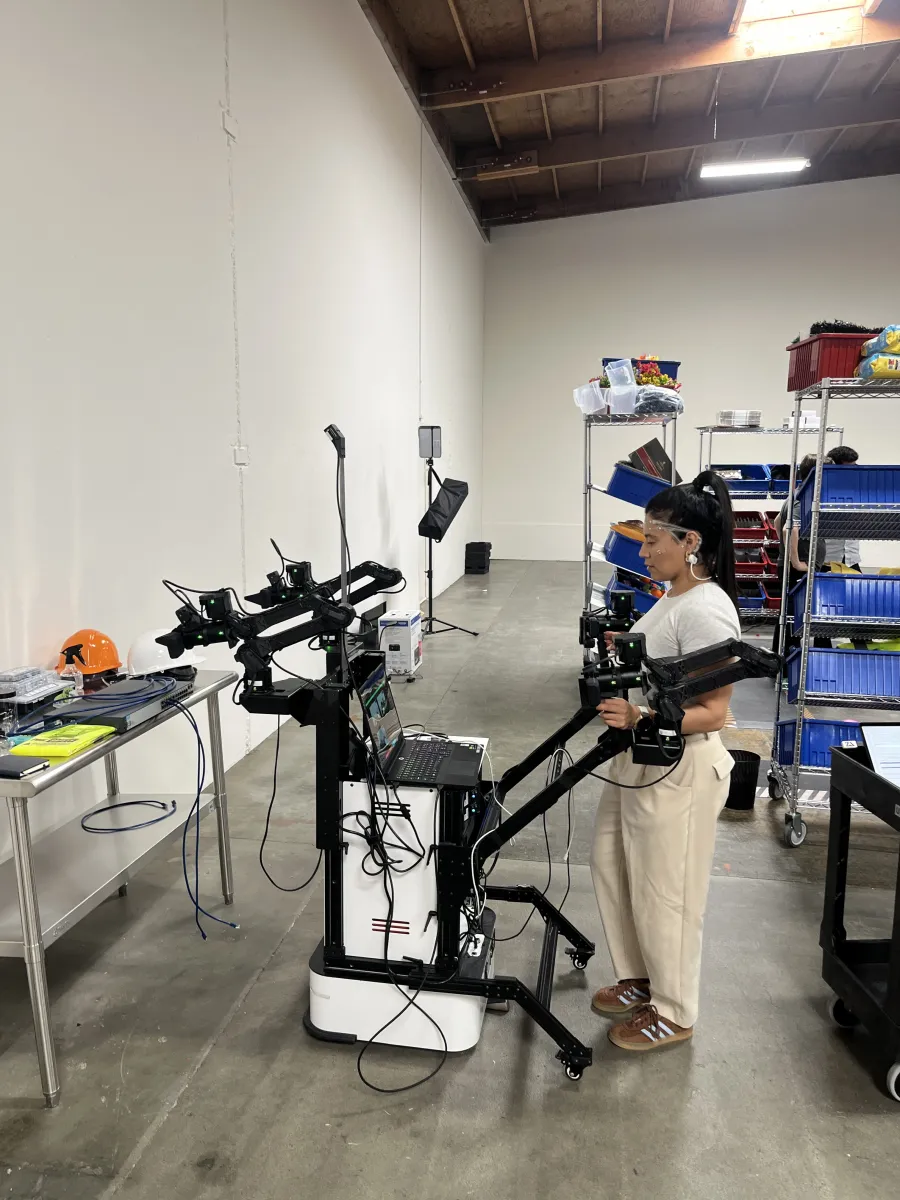
Current physical artificial intelligence (AI) models are increasingly demanding in terms of data requirements, moving beyond simple video input. Frontier models now require multiple camera angles and detailed annotation, and the next step may be incorporating brain wave readings.
The demand for more complex data stems from the need to train AI to interact with the physical world effectively. According to TechCrunch, these advanced AI systems are no longer satisfied with just YouTube videos as training material. They now necessitate input from multiple camera perspectives alongside ‘dense annotation’ – a detailed labeling of objects and actions within the visual data.
The article highlights that brain wave readings represent a potential future requirement for developing more sophisticated physical AI. While not yet implemented, this suggests researchers are exploring ways to provide AI with even richer contextual information about human intent and perception. The reason for this shift is to improve the AI’s ability to understand and respond appropriately to complex real-world scenarios.
The move towards brain wave data signifies a growing trend in AI development: moving beyond passive observation (video) to active understanding of cognitive processes. This could unlock new levels of physical AI capability, allowing robots and other AI-powered systems to interact with their environment more intuitively and effectively.
We don't rate truth. We strip the spin and show you which perspectives covered the story. You decide.
Read the original coverage
💬 Comments
📜 Comment Policy