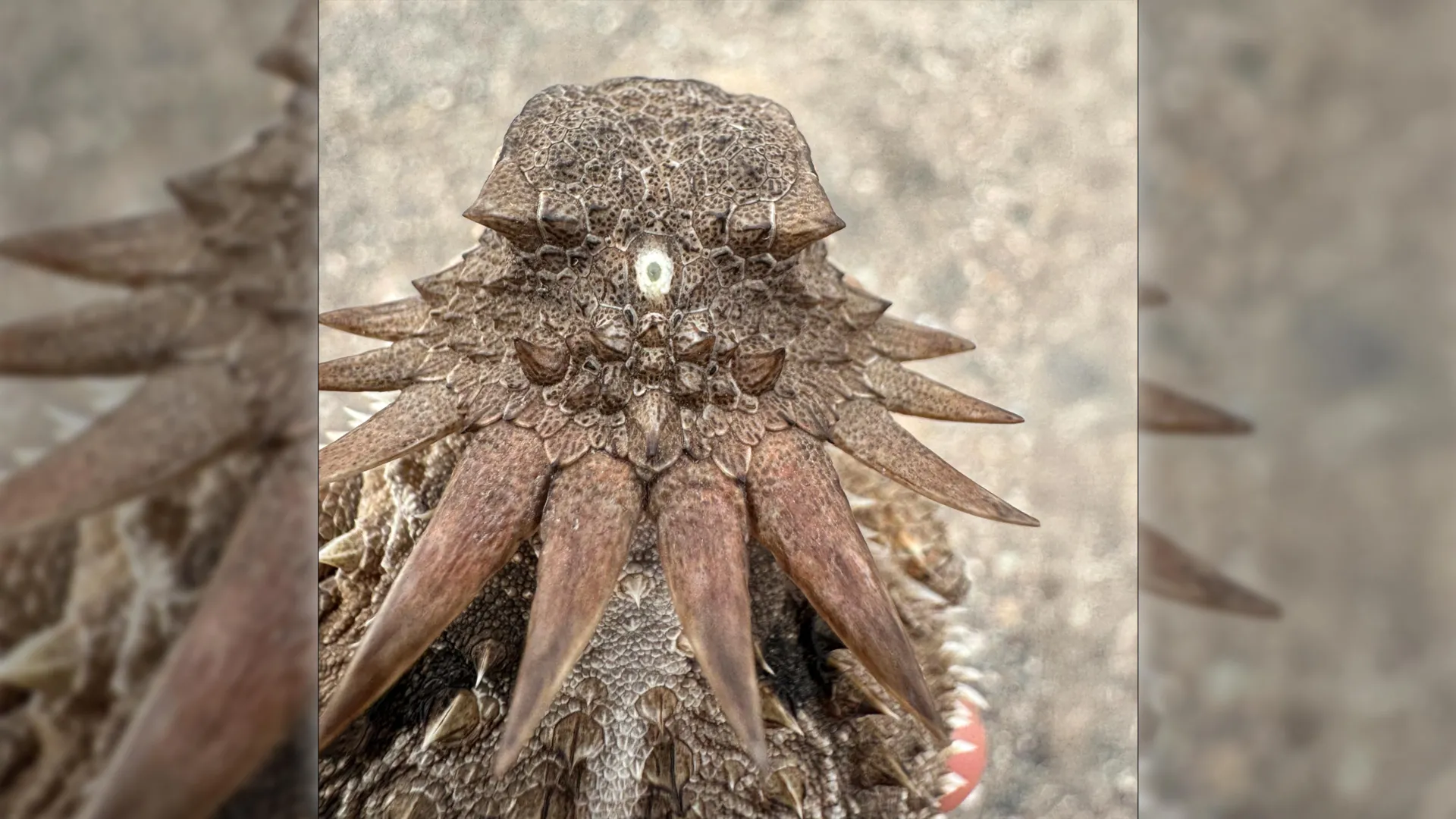
Researchers have traced the origins of vertebrate eyes, including human eyes, back to a tiny one-eyed ancestor that lived approximately 600 million years ago. The study reveals this ancient creature possessed a single median eye and suggests its legacy persists today in the pineal gland, which regulates sleep patterns.
The research indicates this ancient ancestor, effectively a “cyclops,” is responsible for shaping the evolution of eyes in all vertebrates. Scientists determined that nearly 600 million years ago, this organism had a single eye located in the center of its head. This discovery provides insight into how complex vision systems developed over millions of years.
The study also highlights a surprising connection between this ancient eye and a part of the human brain called the pineal gland. Researchers found that the median eye of the ancestor lives on today as the pineal gland, which plays a crucial role in synchronizing our sleep cycles with daylight. This suggests an evolutionary link between ancient light detection and modern circadian rhythms.
The findings offer new understanding into the development of vision and the enduring legacy of early life forms. The research team’s work sheds light on how a simple structure from nearly 600 million years ago could have laid the foundation for the complex eyes found in humans and other vertebrates.
We don't rate truth. We strip the spin and show you which perspectives covered the story. You decide.
Read the original coverage
💬 Comments
📜 Comment Policy