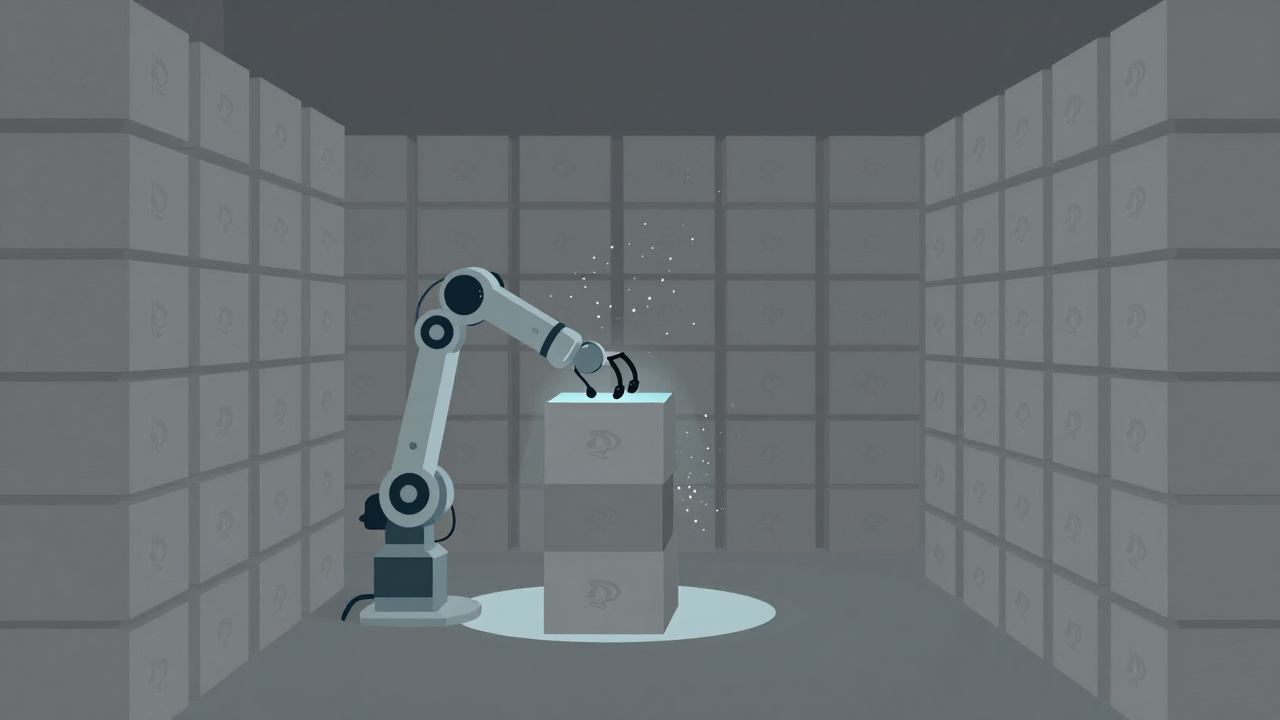
Researchers are exploring the potential for artificial intelligence to decode and even generate dreams, raising questions about whether widespread use of this technology could lead to a homogenization of dream content. The core concern is that AI models trained on limited datasets might impose biases or patterns, ultimately shaping what people ‘see’ in their sleep.
The article from *Nature*, published online August 11, 2026, details growing efforts to use AI to interpret brain activity during REM sleep – the stage most associated with dreaming. Scientists are utilizing functional magnetic resonance imaging (fMRI) and deep learning algorithms to reconstruct images and narratives from these neural signals. While still in its early stages, this technology has shown some success in identifying broad categories of dream content, such as faces or animals.
The potential for AI to *generate* dreams is also being explored. Researchers envision a future where individuals could use AI to curate their dream experiences, potentially for therapeutic purposes or entertainment. However, experts caution that the algorithms used to create these artificial dreams are trained on existing data, which inherently reflects cultural biases and individual preferences.
The central question raised by this research is whether widespread adoption of AI-driven dream decoding and generation could lead to a loss of individuality in our subconscious experiences. As one researcher notes, “If we’re all feeding into the same algorithms, are we going to end up dreaming the same things?” The article highlights that current models are limited by the data they're trained on, meaning dreams generated or interpreted by AI may reflect dominant cultural narratives rather than unique personal experiences.
We don't rate truth. We strip the spin and show you which perspectives covered the story. You decide.
Read the original coverage
💬 Comments
📜 Comment Policy