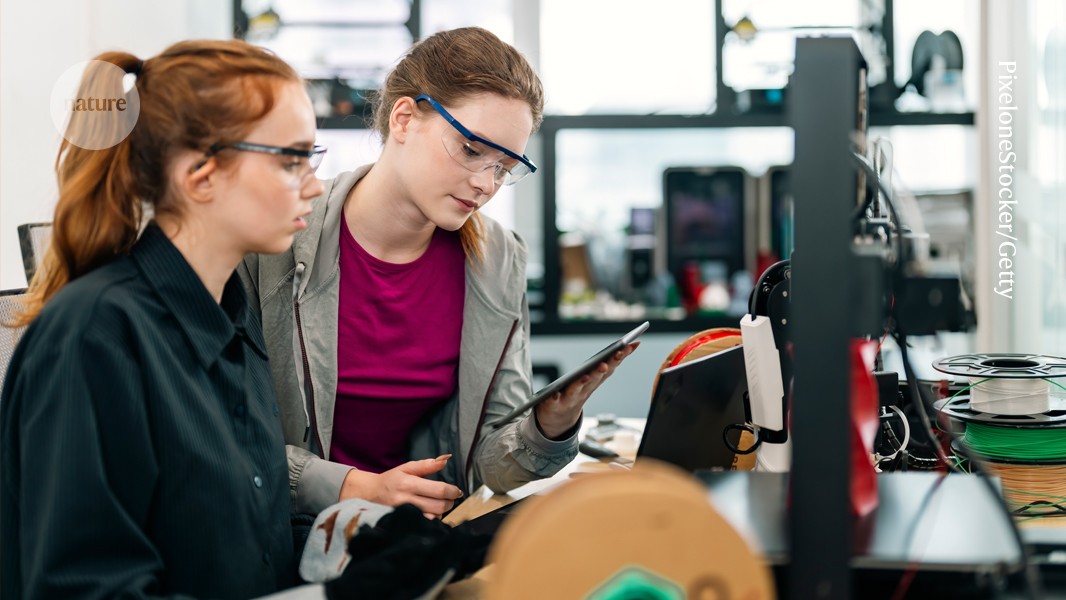
As 3D printers become more accessible, researchers are increasingly integrating the technology into their work, finding applications in diverse areas of scientific study. The declining cost and improved usability of 3D printers are driving this trend.
Researchers are discovering new ways to incorporate 3D printing into their studies as the technology becomes cheaper and easier to work with. The article highlights five key areas where 3D printing is making an impact in lab settings. These include customized lab equipment, microfluidic devices, bioreactors, anatomical models, and tools for field research.
The ability to rapidly prototype and create bespoke tools is a major benefit. Researchers can design and print equipment tailored to their specific needs, reducing reliance on commercially available options that may not always be suitable. Microfluidic devices, used for manipulating tiny volumes of fluids, are being 3D printed with increasing precision, enabling new experiments in biology and chemistry.
Bioreactors, which provide a controlled environment for growing cells, are also benefiting from 3D printing. Researchers can create bioreactors with complex geometries optimized for specific cell types and experiments. Furthermore, 3D-printed anatomical models are proving valuable for surgical planning and medical training. Finally, the technology is enabling the creation of specialized tools for field research, allowing scientists to collect data in remote or challenging environments.
We don't rate truth. We strip the spin and show you which perspectives covered the story. You decide.
Read the original coverage
💬 Comments
📜 Comment Policy