Zelenskyy Warns of Russian Attacks on Ukraine's Infrastructure as Kushner Cites Putin's 'Restraint'
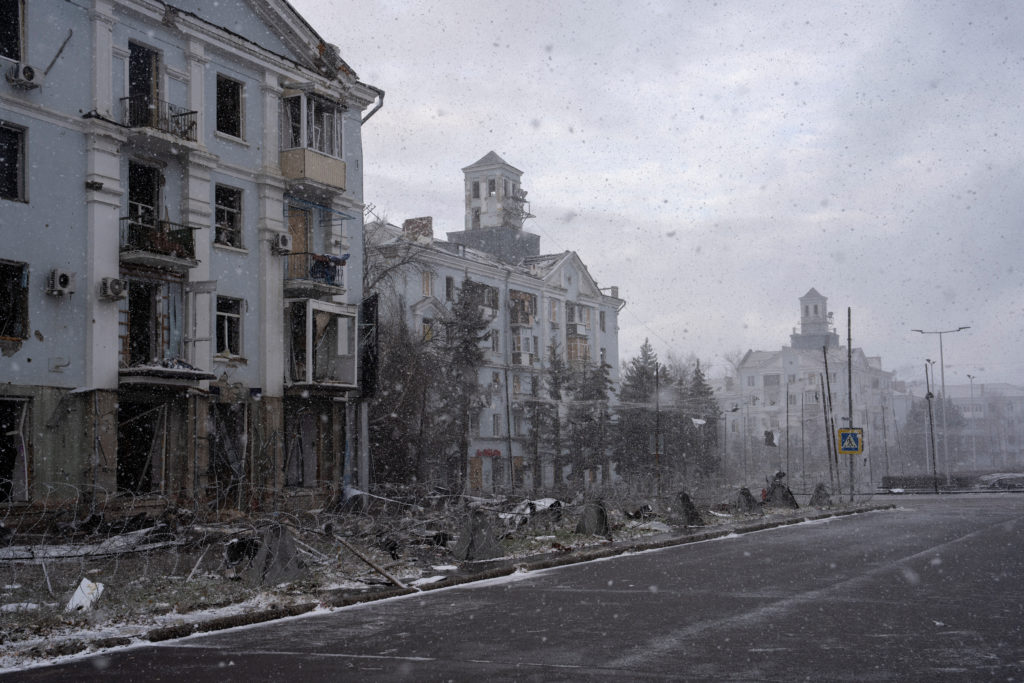
President Volodymyr Zelenskyy stated Thursday that Russia is preparing a major attack on Ukraine’s energy infrastructure, logistics, and critical services. This warning came as U.S. envoy Jared Kushner asserted that Russian President Vladimir Putin has “shown restraint” in the war by not using nuclear weapons. Zelenskyy’s announcement signals an anticipated escalation of Russia’s targeting of Ukrainian infrastructure, a strategy previously employed during the conflict. Kushner’s comments, made Thursday, offer a contrasting perspective, framing Putin’s actions as restrained despite the ongoing war. The timing of these statements highlights a moment of heightened tension and differing interpretations of the conflict’s trajectory. No center-leaning outlet reported this story.
Background
- Russia launched a full-scale invasion of Ukraine in February 2022 and currently controls approximately 20% of the country, demanding the surrender of Ukraine’s eastern Donbas region [Fact Refinery, 2026-11-22].
- Since the start of 2023, Russia has gained approximately 8,000 square kilometers of Ukrainian territory [Fact Refinery, 2026-11-23].
- Ukraine has expanded attacks to targets beyond its borders, including strikes on Russian vessels off the Libyan coast and in the Gulf of Finland [Fact Refinery, 2026-11-23].
- Russia suffered at least 460,000 war-related deaths since the full-scale invasion began, with 2025 being the deadliest year [Fact Refinery, 2026-11-23].
Our reading
We find the juxtaposition of Zelenskyy’s warning and Kushner’s assessment particularly telling. Zelenskyy’s statement anticipates a renewed Russian offensive targeting critical infrastructure, a tactic previously used, and suggests Ukraine expects further escalation. This aligns with recent data showing substantial Russian losses, indicating a continued commitment to the conflict despite the cost. The prior attacks on vessels, including those near Libya, demonstrate Ukraine’s expanding reach and willingness to strike at Russia’s logistical networks. Most likely, Russia will intensify attacks on Ukrainian infrastructure in an attempt to degrade Ukraine’s ability to sustain the war effort, potentially aiming to trigger a humanitarian crisis and force negotiations. Less likely, but possible if Russia achieves significant gains, is a broader offensive aimed at capturing more territory. A shift in Western support, either increased aid or a perceived lack of commitment, would significantly influence the balance. The expansion of the conflict beyond Ukraine’s borders, as evidenced by the attacks on vessels, raises the risk of wider regional instability. Libya’s complaint to the UN highlights the potential for the conflict to draw in other actors and complicate existing geopolitical dynamics. The differing interpretations of Putin’s actions, Zelenskyy’s dismissal and Streeting’s condemnation versus Kushner’s framing of “restraint”, suggest a continuing divergence in perspectives on how to approach the conflict. THE OTHER SIDE, Trump’s continued engagement with Putin, coupled with his call for de-escalation and a deal, suggests a desire to reset relations with Russia, potentially at Ukraine’s expense. This position, while criticized by European allies, may reflect a belief that a negotiated settlement, even one unfavorable to Ukraine, is preferable to prolonged conflict. The fact that other European countries accuse Russia of provocative behavior, despite Trump’s attempts at dialogue, underscores the difficulty of achieving a consensus on a path forward.
What to watch
- A significant increase in Russian strikes on Ukrainian energy infrastructure [Ukrainian government statements].
- The delivery of promised air defense systems to Ukraine from Western allies [statements from the US and EU].
- Any further statements from Jared Kushner clarifying his assessment of Putin’s actions [US media outlets].
Read the original coverage
💬 Comments
📜 Comment Policy