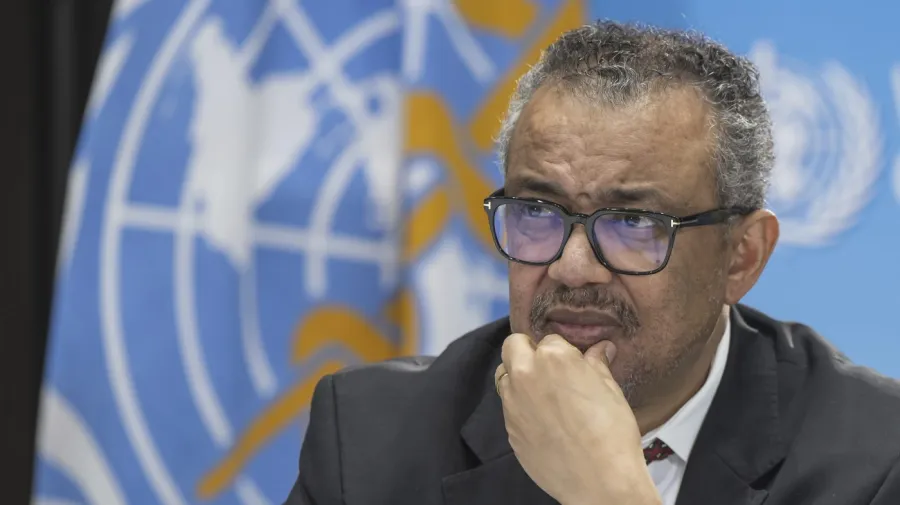
A 28-year-old lab technician at a Siberian plague research institute died last week from pneumonia of unknown origin, prompting concern and requests for more information from the World Health Organization and the United States. Russia’s consumer health watchdog, Rospotrebnadzor, maintains the death was not linked to the lab’s research and there is no health emergency, reporting no pathogens related to plague were found. However, WHO Director-General Dr. Tedros Adhanom Ghebreyesus stated the agency does not have a full picture of the event and needs complete, transparent information to conduct a risk assessment.
The case has drawn international attention due to the institute’s focus on combating plague and other infectious diseases, and Russia’s history of biological weapons research. While there is no evidence linking this death to a bioweapons program, the incident has renewed focus on the potential risks of lab leaks and the development of biological weapons. Journalist Annie Jacobsen’s recent book details potential responses to a weaponized plague leak from a Russian lab, concluding they would likely be unsuccessful. The emergence of AI tools capable of assisting in biological weapons development has further heightened these concerns, with Anthropic disclosing several attempts to use its software for such research.
The U.S. State Department has formally requested more details from Russia, and the U.S. embassy in Moscow issued a health alert for Americans experiencing respiratory problems. The Centers for Disease Control and Prevention affirmed that plague is treatable with antibiotics and currently poses no broader threat to the United States. Exiled Russian media have reported inconsistencies with the official narrative, including quarantines at local hospitals and quickly-deleted social media posts about health dangers, though these reports remain unconfirmed. A second potential death at the lab is also under investigation by the WHO.
The WHO is pressing Russia for more information on the second potential incident, seeking clarification on the circumstances surrounding both deaths.
Our reading is that while Russia asserts there is no health emergency, the lack of complete information provided to international bodies like the WHO and the U.S. is fueling concern and distrust. The discrepancies between official Russian accounts and reports from exiled media, combined with the renewed focus on biological weapons risks and AI’s potential role, suggest a complex situation where transparency is lacking. The multiple requests for clarification indicate a serious level of international scrutiny, even if the immediate threat appears contained.
Read the original coverage
💬 Comments
📜 Comment Policy