White House Withdraws FDA Nomination of Heidi Overton Amid Republican Concerns
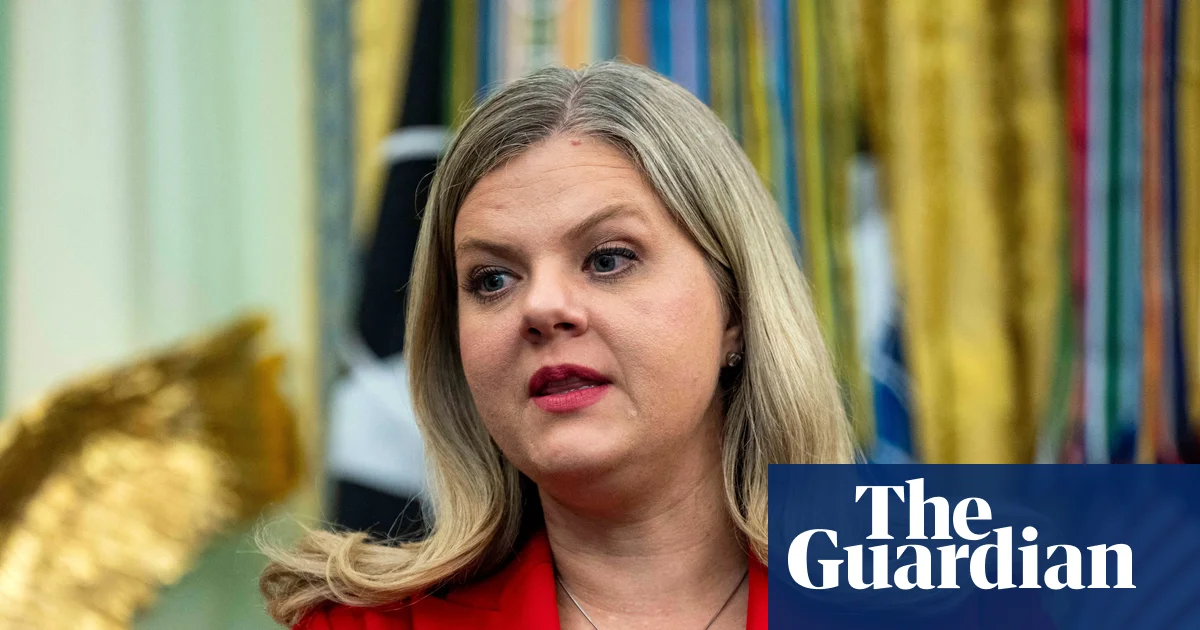
The White House has withdrawn its nomination of Dr. Heidi Overton to lead the Food and Drug Administration, a move prompted by doubts from key Senate Republicans about her experience and independence. Overton, a physician and former official with the America First Policy Institute, faced scrutiny over her views on abortion access, particularly the drug mifepristone, and her alignment with former President Trump’s policies. Senator Bill Cassidy, chair of the Senate Health, Education, Labor and Pensions Committee, had expressed concerns about her managerial experience and willingness to challenge Trump and Health Secretary Robert F. Kennedy Jr. on vaccine issues. The withdrawal effectively ends Overton’s chances of confirmation before Democrats take control of the Senate in January. The FDA has been without a permanent commissioner since May, adding to a period of instability at the nation’s top health agencies.
Several Republican senators, including Susan Collins and Lisa Murkowski, had not publicly committed to supporting Overton’s nomination. Murkowski specifically questioned her stance on mifepristone. Overton had previously called for stricter regulations on medication abortion and praised the overturning of Roe v. Wade. The agency is currently scheduled to complete its safety review of mifepristone in March, a decision that would fall under the purview of the FDA commissioner.
The White House had reportedly begun exploring alternative candidates, including the possibility of an acting commissioner to bypass the Senate confirmation process. Senator Roger Marshall of Kansas is reportedly considering a bid for the position. The withdrawal of Overton’s nomination follows a pattern of failed nominations for top health positions during the Trump administration. The Centers for Disease Control and Prevention went nearly a year without a permanent director after a recent removal by Health Secretary Kennedy Jr.
Where they differ
- Fox News and the Washington Times emphasized the political context of the withdrawal, framing it as a consequence of Overton’s struggles to gain support from Senate Republicans.
- NBC News and the Guardian highlighted the concerns surrounding Overton’s views on abortion access and her potential impact on medication abortion.
- The Straits Times focused on the broader context of upheaval at US health agencies, noting the recent vacancy at the CDC.
- CBS News reported that the White House had begun discussing potential acting candidates, while Axios first reported the decision to withdraw the nomination.
What is not yet known
- Whether the White House will ultimately nominate another candidate for FDA commissioner.
- The full extent of Robert F. Kennedy Jr.’s influence on the search for a new FDA commissioner.
Background
- Donald Trump nominated Heidi Overton to lead the FDA, following the departure of former commissioner Marty Makary, creating instability at the agency [Fact Refinery, 2026-08-20].
- Overton has been a supporter of Trump’s health agenda, including changes to the childhood vaccine schedule, and has expressed opposition to abortion access, specifically the drug mifepristone [Fact Refinery, 2026-08-19, 2026-08-20].
- The FDA approved daraxonrasib for metastatic pancreatic cancer in August, demonstrating the agency’s continued function despite leadership changes [Fact Refinery, 2026-08-26].
- Democrats recently regained control of both the House of Representatives and the Senate, giving them increased power to influence policy and nominations [Fact Refinery, 2026-11-04].
Our reading
We believe the withdrawal of Overton’s nomination is most likely a pragmatic calculation by the White House, anticipating certain defeat in the Senate. The lack of firm support from moderate Republicans like Collins and Murkowski, combined with the impending Democratic control of the Senate in January, made confirmation improbable. A less likely outcome is a renewed push with a different nominee, but this would require identifying a candidate acceptable to both parties, a difficult task given the current political climate. The fact that the White House is already exploring an acting commissioner suggests they are prioritizing a functioning FDA over a prolonged confirmation battle. The ongoing instability at key health agencies, the FDA and previously the CDC, is a broader aspect of this situation. This pattern of vacancies and failed nominations raises questions about the long-term health of these institutions and their ability to effectively address public health challenges. The upcoming safety review of mifepristone, falling under the purview of the new commissioner, adds another layer of complexity. Senator Roger Marshall’s potential bid for the position suggests a desire within the Republican party to exert influence over the FDA. His motivations, and whether he would be a compromise candidate, remain to be seen, but his interest highlights the high stakes involved in this appointment.
What to watch
- The announcement of a new nominee for FDA commissioner, or confirmation of an acting commissioner [White House press briefings].
- The FDA’s completion of its safety review of mifepristone in March [FDA website].
- Senator Roger Marshall’s public statements regarding his interest in the FDA commissioner position [Senator Marshall’s official website/social media].
Read the original coverage
💬 Comments
📜 Comment Policy