White House Downplays Security Risk of Nvidia CEO Jensen Huang's Affair
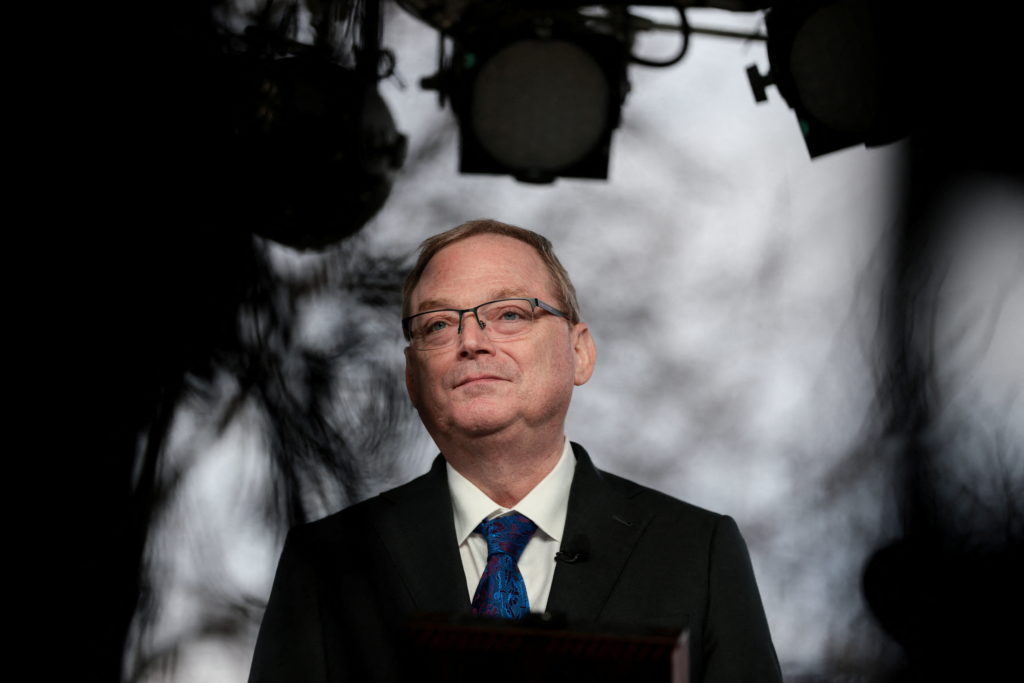
White House economic advisor Kevin Hassett defended the administration's handling of potential security risks related to Nvidia CEO Jensen Huang’s affair with Alice Huang, an executive at Megaspeed, who U.S. officials suspect is a Chinese spy. Hassett stated that while some older-generation chips may have reached unintended recipients, the U.S. can still maintain a technological advantage. Huang is scheduled to appear before House and Senate committees this week. Connecticut Rep. Jim Himes, who will chair the House Intelligence Committee in January, said he intends to question Huang about what information he shared with Alice Huang and whether she exerted influence over him.
Hassett acknowledged the need to tighten security measures regarding advanced chips, noting that even if some previous-generation chips ended up in the wrong hands, the rapid pace of technological advancement limits the long-term impact. Huang was initially removed and then reinstated as Nvidia’s CEO following an intervention by President Trump, whose economic policies prioritize growth in the artificial intelligence sector.
Nvidia has not publicly commented on Hassett’s remarks.
Background
- The Trump administration has intervened to reinstate Nvidia CEO Jensen Huang after his resignation following reports of affairs, assuring the company he faces no criminal charges [Fact Refinery, 2026-11-24].
- Allegations have surfaced that Huang’s affair with Alice Huang, a Megaspeed executive, coincided with approximately $12 billion in chip sales circumventing US export controls [Fact Refinery, 2026-11-23].
- Between December 2025 and May 2026, the US approved nearly 880,000 advanced AI chip sales to Chinese companies, including those with ties to the Chinese military [Fact Refinery, 2026-11-19].
- Kevin Hassett is an assistant to the president for economic policy and was part of a committee investigating Federal Reserve Governor Lisa Cook [Fact Refinery, 2026-11-05].
Our reading
We begin by assessing the most likely outcome: Jensen Huang will likely navigate the upcoming Congressional hearings with minimal long-term damage to his position or Nvidia. The White House’s proactive downplaying of security risks and Hassett’s emphasis on technological advancement suggest a coordinated effort to shield Huang. A less likely scenario is significant political fallout, potentially leading to renewed calls for Huang’s resignation or stricter regulations on Nvidia, should compelling evidence emerge of deliberate circumvention of export controls or undue influence exerted by Alice Huang. This would hinge on the testimony of Commerce Secretary Lutnick and Treasury Secretary Bessent, as requested by Senator Kennedy. The continued approval of chip sales to China, despite security concerns, points to a broader tension between the administration’s stated commitment to national security and its prioritization of economic growth, particularly within the AI sector. The recent tariff proposals [Fact Refinery, 2026-11-25] demonstrate a willingness to engage in trade disputes, but the simultaneous approval of chip exports suggests a complex and potentially contradictory approach to managing relations with China. The situation highlights the vulnerability of US technology to foreign influence through personal relationships. While the article focuses on Huang, Alice Huang’s position at Megaspeed and the alleged chip smuggling operation suggest a potentially wider network of individuals and companies involved in circumventing export controls. The fact that Megaspeed was only recently blacklisted indicates a delayed response, raising questions about the effectiveness of existing security measures.
What to watch
- The transcripts of Jensen Huang’s testimony before the House and Senate committees, specifically his responses regarding his communications with Alice Huang [House and Senate Committees, expected early December].
- Any further investigation or statements from Commerce Secretary Lutnick and Treasury Secretary Bessent regarding the approval of chip sales to China [Department of Commerce/Treasury, timeframe unspecified].
- Lori Huang’s actions regarding a potential divorce settlement, which could reveal further details about Jensen Huang’s personal life and financial dealings [Legal filings, timeframe unspecified].
Read the original coverage
💬 Comments
📜 Comment Policy