The US economy expanded at a 3.4% annualized rate in the third quarter, surpassing expectations and marking the fastest pace of growth in a year. The increase was driven by robust consumer spending and a surge in business investment related to artificial intelligence, even as higher oil prices and rising interest rates pose challenges. The Commerce Department’s Bureau of Economic Analysis reported the growth, which accelerated from a 2.2% rate in the second quarter and exceeded economists’ forecasts of 3.2%.
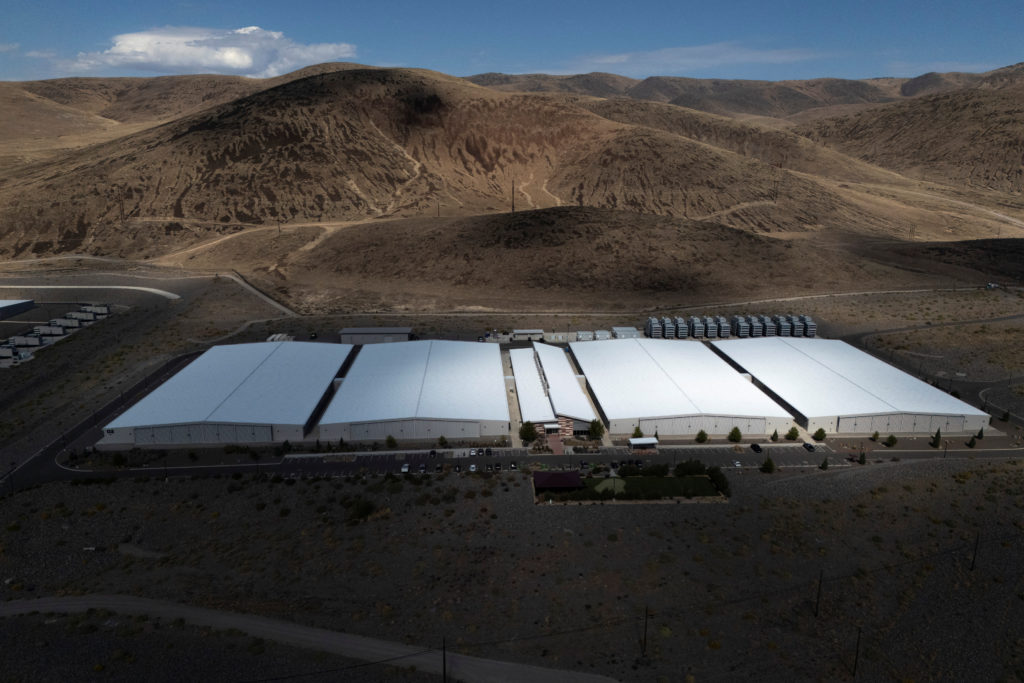
Consumer spending, accounting for over two-thirds of the economy, increased at a 3.8% pace in the July-September quarter, continuing a trend from the previous quarter. Businesses have significantly increased investment in AI, including chips and data centers, contributing to the economic expansion. However, economists note that this AI-driven growth may not fully reflect the overall health of the economy, as the long-term returns on these investments remain uncertain.
Federal Reserve Chair Kevin Warsh acknowledged the strong economic activity but also highlighted the challenge of elevated inflation. The Fed raised interest rates by a quarter of a percentage point last month but held rates steady on Wednesday, awaiting further economic data. Market sentiment, as measured by CME Group’s FedWatch Tool, currently indicates an 85% probability of another quarter-point rate hike in December. Prices increased 3.7% in September compared to a year earlier, exceeding the Fed’s 2% target.
While the economy has demonstrated resilience with continued hiring and low unemployment, some outlets noted a contrast between the positive economic data and negative consumer sentiment. The New York Post reported this strength occurs despite households’ downbeat assessment of the economy. Concerns remain about the potential impact of rising long-term Treasury rates on loans and the possibility of a slowdown in consumer spending due to high gasoline prices and the conflict in the Middle East. Tech firms have borrowed heavily for AI spending, a potential downside risk to equipment spending, though a pullback is not yet expected.
Our reading is that the US economy is currently experiencing a period of robust growth, driven primarily by consumer spending and investment in artificial intelligence. However, this growth is occurring against a backdrop of persistent inflation and rising interest rates, creating a complex situation for the Federal Reserve. The contrast between strong economic indicators and negative consumer sentiment, as highlighted by some outlets, suggests a disconnect between objective data and public perception.
Read the original coverage
💬 Comments
📜 Comment Policy