US Drone Assisted Mexico in Capture of Alleged Cartel Leader
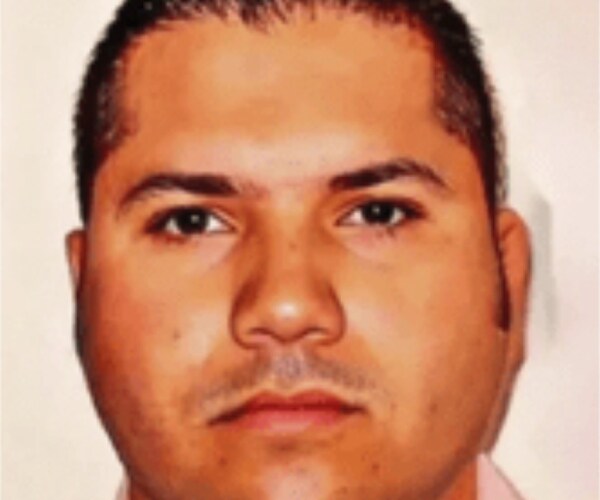
Mexican forces captured Fausto Isidro Meza Flores, alleged leader of a drug cartel, with assistance from a U.S. surveillance drone. The United States provided the drone at the request of the Mexican government to aid in locating Flores, officials stated Monday. This collaboration between the two countries against drug trafficking is longstanding, though it can be controversial.
Newsmax reported the U.S. flew the surveillance drone, while the Washington Post noted the collaboration between the U.S. and Mexico on drug trafficking is not new. No sources detailed the specific type of drone used or the duration of its surveillance. The operation’s success marks a rare instance of explicit U.S. technological support for a Mexican law enforcement operation within Mexico’s borders.
What is not yet known
- The specific type of drone used in the operation.
- The duration of the drone's surveillance.
- Whether this level of U.S. cooperation will continue in future operations.
Background
- The Trump administration expanded U.S. counter-drug and counter-cartel operations in Mexico, including increased military cooperation and CIA activities, despite a report suggesting decades of U.S. security assistance had failed to curb violence [Fact Refinery, 2026-11-23].
- Fausto Isidro Meza Flores, “El Chapo Isidro,” was on the FBI’s 10 Most Wanted list, with a $5 million reward offered for information leading to his arrest, and had been indicted since 2012 [Fact Refinery, 2026-11-21].
- The U.S. and Mexico have a longstanding collaboration against drug trafficking, though it has been controversial, as evidenced by the wrongful deportation of a U.S. citizen by the Trump administration [Fact Refinery, 2026-11-23].
- Recent captures of cartel leaders by Mexican forces suggest a potential new chapter in Mexico’s approach to the drug war, following years of escalating violence [Fact Refinery, 2026-11-23].
Our reading
We begin by considering the most likely outcome: continued, albeit potentially discreet, U.S. technological assistance to Mexican law enforcement. The current operation’s success, coupled with the existing collaborative framework, suggests a pragmatic approach will prevail. However, a less likely scenario involves a scaling back of U.S. support if Mexico’s government publicly resists further overt assistance, or if civilian harm increases. A key factor tipping the balance will be the level of transparency maintained regarding U.S. involvement and the extent to which Mexico asserts full control over its own security operations. A broader aspect to observe is the potential for this collaboration to influence the broader regional security landscape. The U.S.’s history of intervention in Mexico, as highlighted by the wrongful deportation case, demonstrates the sensitivity surrounding cross-border law enforcement. This operation could either strengthen trust and cooperation or exacerbate existing tensions, depending on how it is perceived by the Mexican public and political actors. Regarding the cartel itself, the capture of Meza Flores, while significant, is unlikely to dismantle the Beltrán Leyva cartel entirely. The organization’s structure and deep roots suggest it will likely adapt, potentially leading to increased internal conflict as factions vie for control. The recent arrest of another cartel leader suggests a power vacuum is developing, which could escalate violence in the short term.
What to watch
- A formal statement from the Mexican government detailing the terms of future U.S. assistance [Mexican government press releases].
- The number of reported civilian casualties in Sinaloa following the arrest, indicating the level of cartel retaliation [Mexican news outlets, security reports].
- Any legal challenges to the arrest of Meza Flores, potentially revealing details about the evidence used and the legality of the U.S. drone’s involvement [Mexican court records].
Read the original coverage
💬 Comments
📜 Comment Policy