US Approved Nearly 900,000 AI Chip Sales to China Despite Security Concerns
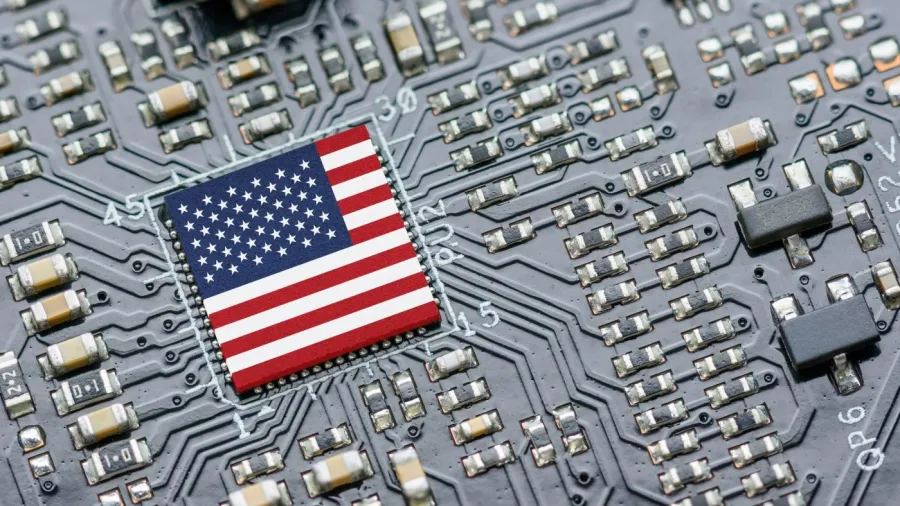
The Trump administration approved the sale of 879,868 advanced AI chips to Chinese companies between December 2025 and May 2026, according to documents released by the House Foreign Affairs Committee. The approvals, covering chips from Nvidia and AMD, included sales to Alibaba, Tencent, Baidu, and BYD, all designated by the Pentagon as having ties to the Chinese military. While 3.4 million chips were requested during that period, the Commerce Department’s Bureau of Industry and Security approved over 879,000. The release of this data comes amid scrutiny of former Nvidia CEO Jensen Huang’s alleged affair with a suspected Chinese spy and renewed calls for stricter export controls.
The committee, led by Brian Mast, exercised its authority under the Export Control Reform Act to make the license application information public. Nvidia stated the approvals were subject to “strict conditions and limited volumes” and that it has since ceased shipping H200 chips to China. AMD did not immediately respond to requests for comment. Representative Gregory Meeks, the top Democrat on the House Foreign Affairs Committee, stated the administration’s handling of chip export controls has put national security and technological leadership at risk. Chris McGuire, a former US official, noted that over 30 percent of the approved chips were destined for companies identified by the Department of Defense as Chinese Military Companies, raising questions about the thoroughness of national security reviews.
The New York Times previously reported that two firms listed in Nvidia license applications, Maginfra and New Matrix, are suspected “smuggling fronts” with empty offices and ties to sanctioned companies. The committee’s release of the data follows a December decision by the Trump administration to allow Nvidia to ship its H200 chip to China, reversing Biden-era restrictions. News of Huang’s personal life and concerns about chip diversion have intensified pressure on the administration to tighten export controls.
Where they differ
- Al Jazeera highlighted the timing of the data release in relation to the former Nvidia CEO’s affair, framing it as fueling renewed calls for a tougher stance on Chinese technology threats.
- The Hill focused on the Trump administration’s approval of nearly 900,000 AI chips, emphasizing the reversal of Biden-era restrictions.
- CNBC detailed the specific number of chips approved for sale (879,868) and the timeframe (December 2025 - May 2026) more prominently than other sources.
- Straits Times, like other sources, reported the facts but did not emphasize any particular framing or angle beyond the core news.
What is not yet known
- The exact number of approved licenses that translated into actual shipments to China is not yet clear.
- The full extent of any national security reviews conducted by the Commerce Department before approving these licenses remains unknown.
Background
- In November 2026, Donald Trump met with Xi Jinping and Vladimir Putin in China for trilateral talks focused on denuclearization, Ukraine, and Iran [Fact Refinery, 2026-11-18].
- Prior to the meeting, Nvidia halted AI chip sales to China despite prior US approval, citing compliance concerns and a new internal oversight panel [Fact Refinery, 2026-11-18].
- The Trump administration approved the sale of 879,868 advanced AI chips to Chinese companies between December 2025 and May 2026 [Reuters, 2026-11-19].
- Nvidia and AMD were the chip manufacturers involved in the approved sales, with Alibaba, Tencent, Baidu, and BYD among the recipients [Reuters, 2026-11-19].
Our reading
We believe the timing of the release of this data, alongside reporting on the former Nvidia CEO’s personal life, is not accidental. Most likely, the intention is to create a narrative of compromised national security and pressure for stricter export controls. A less likely outcome is that the committee genuinely seeks only to illuminate bureaucratic processes, given the pointed emphasis on companies with Pentagon-identified ties to the Chinese military. Should further evidence emerge linking the chip sales to military applications or the alleged affair to policy decisions, the pressure for a complete reassessment of US-China tech policy will intensify. The revelation of these approvals adds another layer to the ongoing debate about technological competition and national security. The fact that over 30 percent of the approved chips were destined for companies linked to the Chinese military, as noted by Chris McGuire, suggests a potential vulnerability in the export control system. This could trigger broader scrutiny of vetting procedures and raise questions about the balance between economic interests and national security concerns. The Chinese side may interpret this data release as a deliberate attempt to undermine trust and escalate tensions. Given the recent trilateral talks between Trump, Xi, and Putin [Fact Refinery, 2026-11-18], Beijing may view this move as a signal of US distrust and a potential impediment to future cooperation. The fact that the Trump administration authorized these sales, then reversed course under Biden, adds a layer of complexity, potentially allowing China to portray the US as inconsistent in its policy.
What to watch
- The Commerce Department’s response to the House Foreign Affairs Committee’s report and any announced changes to export control procedures [Commerce Department website].
- Any further reporting on the alleged affair and its potential impact on Nvidia’s business dealings [major news outlets].
- The actual shipment numbers of the approved chips, to determine if the licenses translated into completed sales [Nvidia and AMD financial reports].
Read the original coverage
💬 Comments
📜 Comment Policy