UN Tribunal Rejects Argentina’s Bid to Halt Oil Drilling Near Falkland Islands
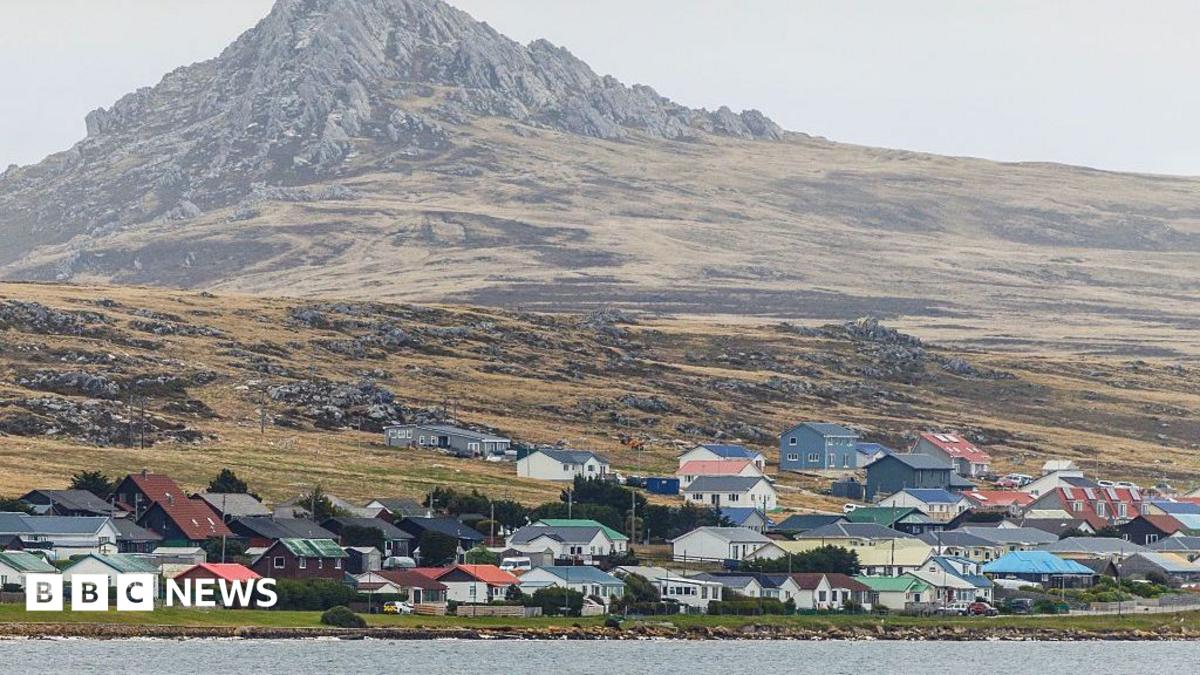
Argentina’s attempt to block oil exploration near the Falkland Islands has been rejected by the International Tribunal for the Law of the Sea by a vote of 18 to 3. The Argentinian government argued the drilling project violates international law due to its ongoing sovereignty dispute with the United Kingdom over the islands, which Argentina calls the Malvinas. The UK maintains the Falkland Islands are a British overseas territory and rejects Argentina’s claim.
The tribunal ruled it lacked jurisdiction to address the sovereignty dispute, focusing instead on the legality of the drilling project itself. The Sea Lion oilfield, located approximately 130 miles (209 km) from the Falkland Islands and 300 miles (480 kilometers) east of Argentina’s coast, is estimated to contain 1.7 billion barrels of oil. Extraction is expected to begin within two years, led by Britain’s Rockhopper Exploration and Israel’s Navitas Petroleum, potentially generating significant revenue for the islands’ roughly 3,500 inhabitants.
Argentina’s President Javier Milei characterized the project as a “clear and present danger” to the country’s claims over the islands. In a 2013 referendum, Falkland Islands residents overwhelmingly voted to remain a British overseas territory, with 99.8% in favor. The dispute echoes the 1982 Falklands War, which resulted in the deaths of 255 British military personnel, three islanders, and 649 Argentine military personnel. Following the ruling, Rockhopper Exploration and Navitas Petroleum are expected to proceed with the project under licenses granted by the Falkland Islands government and backed by Britain.
Where they differ
- GB News led with the UN court ‘slapping down’ Argentina’s bid, framing the ruling as a decisive rejection.
- Left-leaning outlets like the BBC and Guardian emphasized the ongoing sovereignty dispute as the core of Argentina’s challenge, while right-leaning coverage focused on Argentina’s attempt to halt the project.
- The Independent highlighted President Milei’s characterization of the project as a ‘clear and present danger’ to Argentina, a point less prominent in other reports.
What is not yet known
- The precise impact of the oil extraction on the marine environment remains unaddressed.
- The long-term implications of the ruling for the sovereignty dispute between Argentina and the UK are not detailed.
Background
- In 1982, the Falkland Islands were the site of a 74-day war between Argentina and the United Kingdom, resulting in significant casualties on both sides [Fact Refinery, 2026-09-29].
- The Falkland Islands, known as Las Malvinas in Argentina, remain a subject of a long-standing sovereignty dispute between the two nations [Fact Refinery, 2026-09-29].
- In a 2013 referendum, residents of the Falkland Islands overwhelmingly voted to remain a British overseas territory, with 99.8% in favor [Fact Refinery, 2026-09-29; 2026-11-28].
- The Sea Lion oilfield, located near the Falkland Islands, is estimated to contain 1.7 billion barrels of oil [Fact Refinery, 2026-09-29; 2026-11-28].
- Javier Milei is the current President of Argentina, and has pursued austerity measures that have drawn criticism [Fact Refinery, 2026-11-08].
Our reading
We begin by assessing the most likely outcome: continued oil exploration. The UN Tribunal’s rejection of Argentina’s bid, coupled with the existing licenses granted by the Falkland Islands government and British backing, strongly suggests Rockhopper Exploration and Navitas Petroleum will proceed with the Sea Lion project. A significant shift in British policy, or a successful appeal to a higher legal authority, would be required to alter this course. A less likely scenario involves prolonged diplomatic tensions and potential economic repercussions for Argentina, should Milei escalate the dispute beyond legal channels. The ruling’s implications extend beyond the immediate oil project. The UN’s decision, following the Nobel Prize awarded to Navi Pillay for upholding international law [Fact Refinery, 2026-10-09], highlights the tension between national sovereignty claims and established legal frameworks. This case could embolden other nations to challenge existing arrangements through international courts, or conversely, discourage them if they perceive the system as biased or ineffective. Considering Argentina’s position, President Milei’s domestic situation is likely complex. The austerity measures he’s implemented have already drawn criticism [Fact Refinery, 2026-11-08], and a perceived failure to defend national interests over the Falklands could further erode his support. The Pope’s recent visit, while ostensibly focused on social issues, may also have subtly influenced the political climate, potentially limiting Milei’s room for maneuver.
What to watch
- The start date of oil extraction at the Sea Lion field [Rockhopper Exploration/Navitas Petroleum press releases]. Any delays beyond the projected two-year timeframe would indicate potential obstacles.
- Argentina’s official response to the ruling, specifically whether President Milei pursues further legal action or diplomatic initiatives [Argentine Foreign Ministry statements].
- Any statements from the UK government regarding increased security measures around the Falkland Islands [UK Ministry of Defence press releases].
Read the original coverage
💬 Comments
📜 Comment Policy