UN Tribunal Finds Palestinian Staff Sacked Based on Unproven Israeli Allegations
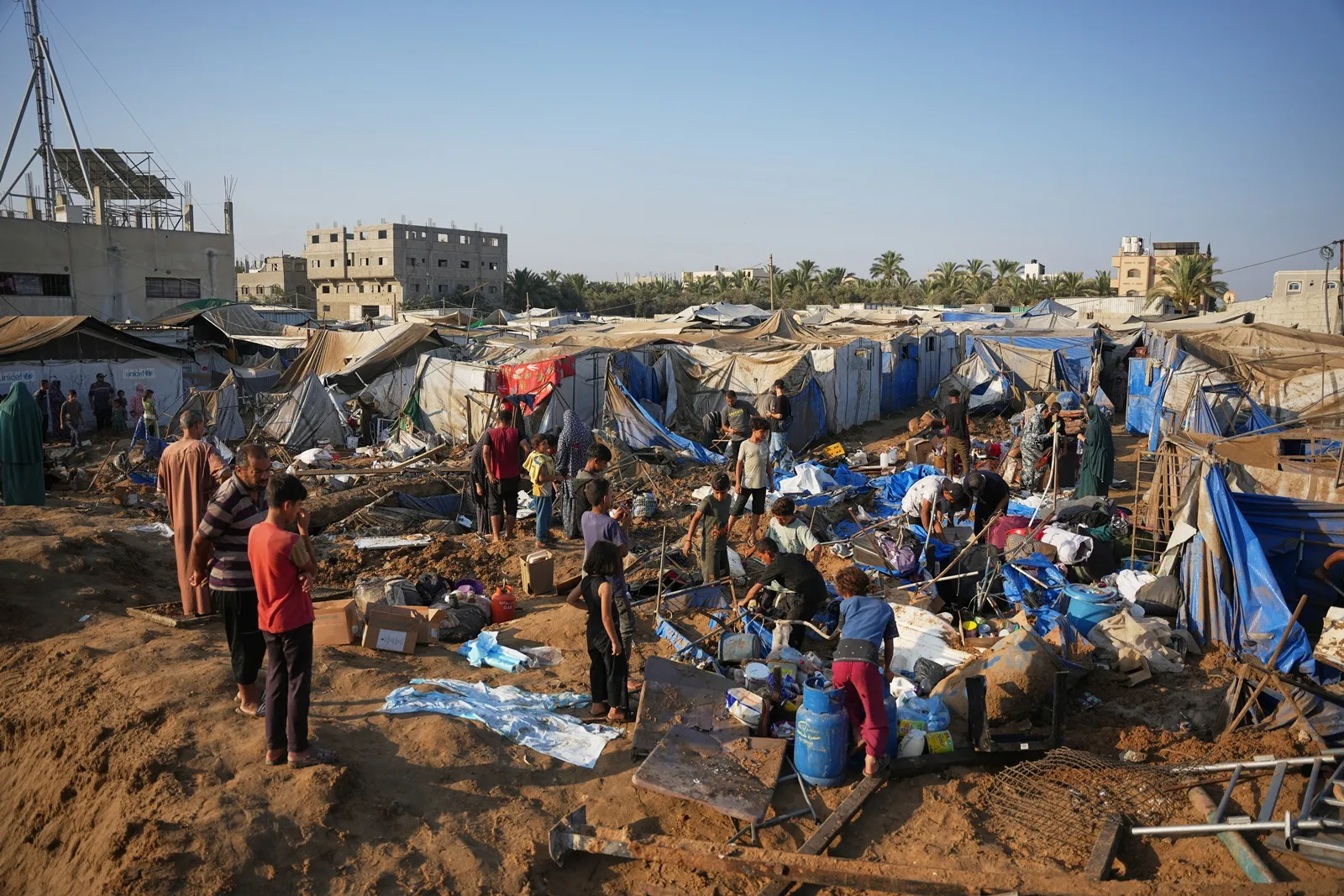
A UN tribunal has determined that the UN Relief and Works Agency (UNRWA) based its 2024 decision to dismiss Palestinian staff “almost entirely” on unproven assertions from the Israeli government, damaging humanitarian operations in Gaza. The judgment raises questions about the basis for the firings, which stemmed from Israeli allegations of involvement in the October 2023 Hamas-led attacks. The tribunal’s findings cast doubt on the evidence used to justify the dismissals and its impact on aid efforts.
The judgment, seen by the Guardian, indicates that the evidence presented by Israel to UNRWA was largely unsubstantiated. This decision to act on unverified claims has reportedly harmed the ability to deliver humanitarian assistance in Gaza. The Indian Express reported that the US has announced new tariffs on imports from 14 major trade partners, including China, the European Union, Japan, and South Korea, with China facing the highest rates of up to 40%. A proposed final tariff rate of 25% on India would drop to 17% once a formal trade deal is signed. Separately, at least 31 people were killed and 21 injured in a fuel tanker crash near Cairo, Egypt, with over two dozen vehicles destroyed in the resulting fire.
No right-leaning outlet reported this story.
Background
- UNRWA (United Nations Relief and Works Agency) is responsible for providing assistance, protection, political advocacy, and humanitarian aid to Palestinian refugees in the Gaza Strip, West Bank, Jordan, Lebanon, and Syria [background knowledge].
- In October 2023, Hamas launched attacks on southern Israel, resulting in approximately 1,200 deaths and 251 hostages taken, triggering the current conflict [Fact Refinery, 2026-11-24].
- Since the October 2023 ceasefire, at least 1,679 Palestinians have been killed in Gaza, according to the territory’s Hamas-run health ministry, which the UN considers reliable [Fact Refinery, 2026-11-24].
- Rapper Macklemore donated $1 million to Palestinian aid groups, including UNRWA, following his removal from Ed Sheeran’s tour due to pro-Palestinian statements and allegations of antisemitism from Robert Kraft [Fact Refinery, 2026-09-17].
- Israel has been conducting near-daily airstrikes in Gaza, resulting in widespread environmental contamination, with reports of over 74,740 Palestinians killed and 175,000 wounded since the start of the conflict [Fact Refinery, 2026-11-23].
Our reading
We are struck by the implications of the UN tribunal’s finding that UNRWA acted on largely unsubstantiated Israeli allegations when dismissing Palestinian staff. Most likely, this judgment will further erode trust in UNRWA’s impartiality, especially given the existing scrutiny surrounding its operations and the ongoing conflict. A key factor influencing the outcome will be whether UNRWA implements the tribunal’s recommendations and revises its procedures for evaluating evidence from member states. Less likely, but possible, is a significant shift in international funding for UNRWA if the agency is perceived as failing to address the concerns raised by the tribunal. The timing of this report, alongside the ongoing Israeli military operations and the broader regional tensions, including Iran’s alleged development of chemical weapons and Houthi attacks, highlights the interconnectedness of the conflict and its potential to escalate. The US tariffs on imports from major trade partners, including China and the EU, add another layer of economic instability to an already volatile situation. The article implicitly points to a power imbalance in the relationship between Israel and UNRWA, with Israel able to make allegations that trigger immediate action, even without sufficient evidence. This raises questions about the agency’s vulnerability to political pressure and its ability to operate independently.
What to watch
- UNRWA’s response to the tribunal’s findings and any announced changes to its evidentiary standards [UNRWA website].
- The level of international funding provided to UNRWA in the coming months [UNRWA financial reports].
- Any further statements from the Israeli government regarding the allegations against the dismissed Palestinian staff [Israeli government press releases].
Read the original coverage
💬 Comments
📜 Comment Policy