U.N. Talks on ‘Killer Robots’ Yield Compromise, Fall Short of Binding Rules
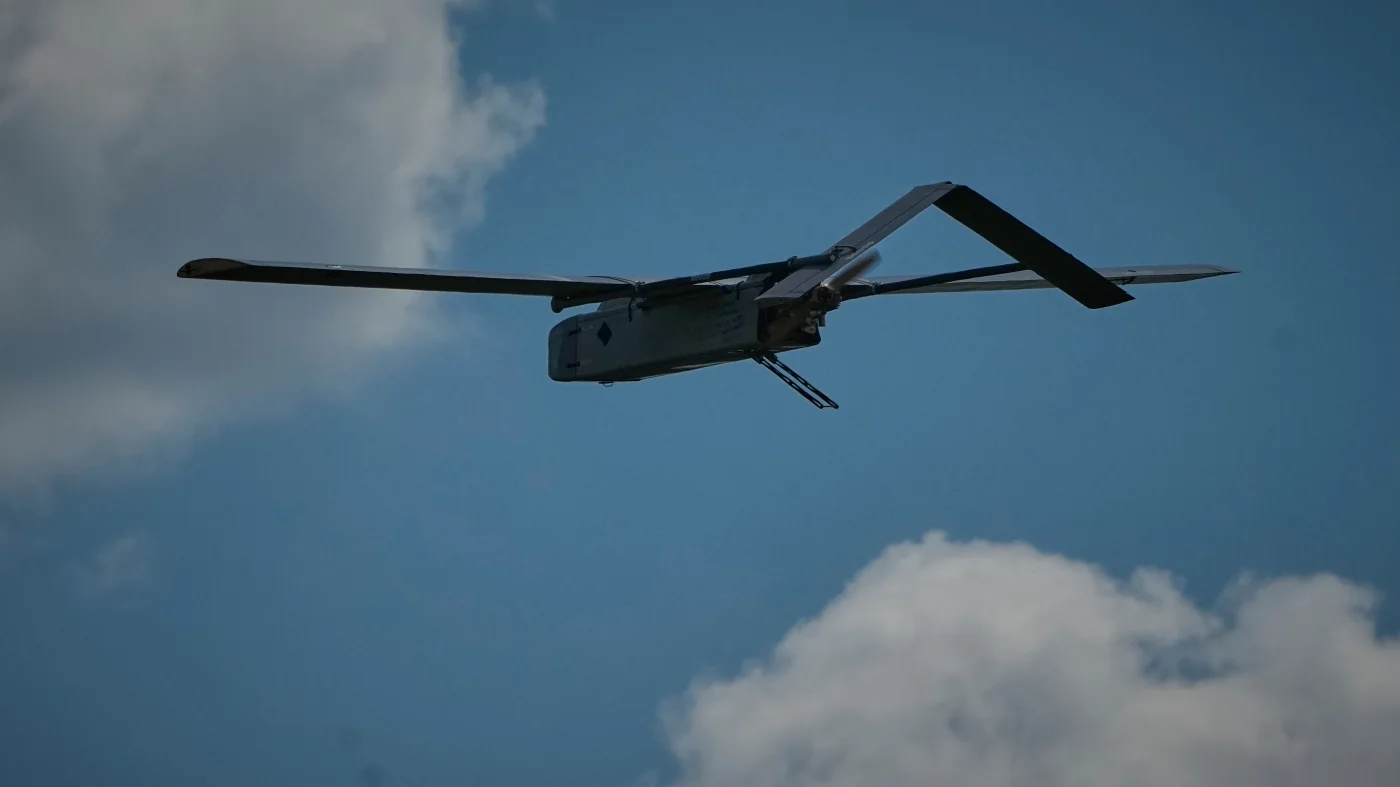
Diplomats at the United Nations in Geneva reached a compromise agreement to discuss options for regulating lethal autonomous weapons, or “killer robots,” but fell short of establishing legally binding rules. After a week of negotiations, countries agreed to a two-year period to propose regulations, which may or may not be legally enforceable. The International Committee of the Red Cross (ICRC) had urged legally binding rules within a year, citing concerns about the increasing use of semi-autonomous drones in conflicts in Ukraine, Sudan, and Gaza, where drones caused 80% of civilian deaths this year in Sudan according to the U.N. The ICRC and other humanitarian organizations expressed disappointment with the outcome, fearing the development of weapons that could make life-and-death decisions without human intervention.
Negotiations were complicated by reluctance from some of the world’s most powerful countries, including the United States, Russia, and Israel, to commit to binding regulations. Russia initially delayed proceedings by objecting to the agenda, while the United States proposed a five-year window for discussing nonbinding guidelines. One delegate described the final agreement as “kicking the can down the road.” Georgia Hinds, a legal advisor for the ICRC, stated, “There is a fundamental ethical concern with having what are essentially these life-and-death decisions determined by programming, determined by an algorithm,” adding that this is “not something that you can fix with better technology.”
The agreement was criticized by some as a “nothing burger,” with concerns raised that the delay could lead to further civilian casualties. While negotiators insisted the compromise was better than no progress at all, the ICRC immediately regretted the move and renewed its appeal for a binding treaty.
Where they differ
- The Verge emphasized the lack of progress, framing the outcome as a failure to agree on rules.
- NPR provided more detail on the specific objections raised by Russia and the United States during the negotiations.
- NPR included a direct quote from the ICRC legal advisor, Georgia Hinds, while The Verge summarized the ICRC's concerns.
What is not yet known
- The specific regulations that countries will propose over the next two years remain unknown.
- Whether any legally binding rules will ultimately be adopted is uncertain.
Background
- The United Nations hosted talks in Geneva regarding lethal autonomous weapons, also known as “killer robots” [DW.com, 2026-11-21].
- The International Committee of the Red Cross (ICRC) has repeatedly called for legally binding rules governing these weapons, citing concerns about their use in ongoing conflicts [Fact Refinery, 2026-08-03].
- Conflicts in Ukraine, Sudan, and Gaza have seen increasing use of semi-autonomous drones, with drones causing 80% of civilian deaths in Sudan this year [Fact Refinery, 2026-11-21].
- Russia, the United States, and Israel have demonstrated reluctance to commit to binding regulations on autonomous weapons [Fact Refinery, 2026-11-21].
Our reading
We find the outcome predictable, given the stated positions of key global powers. The most likely scenario is a continuation of the current situation: further discussions yielding non-binding guidelines, with incremental technological development continuing unchecked. A breakthrough towards a legally binding treaty before 2028 appears less likely, contingent on a significant shift in the political calculus of Russia, the United States, or Israel, perhaps a change in leadership or a demonstrable escalation of harm caused by autonomous weapons. The focus on regulating “killer robots” intersects with broader concerns about the ethics of artificial intelligence and the potential for algorithmic bias in life-and-death decisions, as highlighted by the ICRC’s legal advisor [Fact Refinery, 2026-11-21]. The delay in establishing regulations could exacerbate existing tensions in conflict zones like Sudan and Gaza, where the use of drones is already contributing to civilian casualties. The fact that the talks occurred while conflicts continue in Ukraine and Sudan suggests that the debate is not purely theoretical, but directly linked to ongoing military operations. The reluctance of the United States and Russia to commit to binding rules is particularly noteworthy, given their significant investment in and deployment of advanced military technologies. Russia’s initial delay of proceedings and the United States’ proposal for a five-year window suggest a strategic effort to slow down the regulatory process, potentially to maintain a military advantage.
What to watch
- The specific regulations proposed by countries over the next two years [Investing.com, 2026-11-21].
- Any statements from Russia, the United States, or Israel indicating a change in their position on binding regulations [Fact Refinery, 2026-11-21].
- Reports from conflict zones (Ukraine, Sudan, Gaza) detailing the use of autonomous weapons and any associated civilian casualties [Fact Refinery, 2026-11-21].
Read the original coverage
💬 Comments
📜 Comment Policy