UN Peacekeeping Mission in Western Sahara Ends After 35 Years Amid US-Russia Dispute
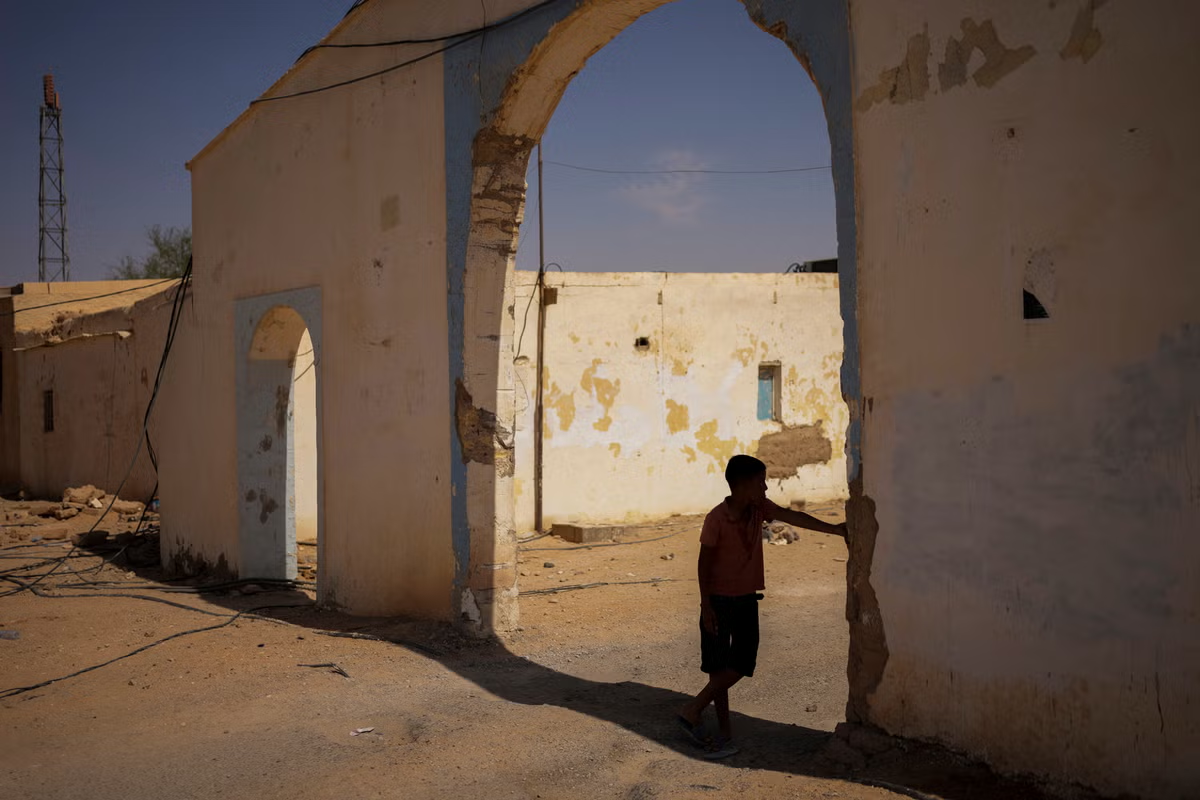
The United Nations’ 35-year peacekeeping mission in Western Sahara ceased operations on Sunday, November 1st, 2026, following a deadlock in the UN Security Council between the United States and Russia. The mission’s end raises concerns about stability in the region, which is rich in minerals and fisheries and claimed by both Morocco and the Polisario Front. The disagreement stemmed from a US draft resolution supporting Morocco’s claim of sovereignty over the territory, which Russia vetoed, and a subsequent Russian resolution to extend the mission, which failed to pass. Morocco welcomed the non-renewal, viewing the mission as an impediment to resolving the dispute, while the Polisario Front, backed by Algeria, deemed the decision unacceptable.
The UN first established the mission in 1991 following 15 years of armed conflict after Morocco’s annexation of the territory in 1975, a conflict that claimed over 16,000 lives according to the French Senate. Morocco currently administers nearly all of Western Sahara, except for a narrow “free zone” east of a sand wall. The UN classifies Western Sahara as a “non-self-governing territory.”
Following the Security Council impasse, a smaller UN team will oversee the liquidation of assets belonging to troop-contributing countries. The Polisario Front, operating from refugee camps in Algeria, seeks independence for the territory, considered the homeland of the Indigenous Sahrawi people. Morocco, which has gained support from Western capitals including Washington, Paris, and London, views the territory as its “southern provinces” and considers full sovereignty a central goal of its foreign policy. Algeria expressed regret over the non-renewal, criticizing the “excessive bias” of the US draft resolution. The future of the Sahrawi people and the stability of the region remain uncertain as the peacekeeping mission concludes.
Where they differ
- SCMP focused on the impact of the mission’s end on refugees in Algerian camps, highlighting the hopes of those displaced by the conflict.
- Independent UK and NPR both emphasized the welcoming response from Morocco’s royal palace and the condemnation from the Polisario Front and Algeria.
- Africa News provided a detailed account of the UN Security Council proceedings and the specific language of the resolutions.
- NPR and Africa News both reported the number of lives lost in the conflict as 'more than 16,000' while Independent UK reported 'more than 15,000'.
What is not yet known
- The long-term implications of the mission’s end on regional stability and the potential for renewed conflict remain unclear.
- The extent to which Morocco will pursue its claim of sovereignty over Western Sahara without the presence of UN peacekeepers is unknown.
Background
- The UN established a peacekeeping mission in Western Sahara in 1991 following 15 years of armed conflict between Morocco and the Polisario Front after Morocco’s annexation of the territory in 1975 [Fact Refinery, 2026-11-01].
- The conflict claimed over 16,000 lives, according to the French Senate, and resulted in Morocco administering most of Western Sahara, leaving only a narrow “free zone” controlled by the Polisario Front [Fact Refinery, 2026-11-01].
- The UN classifies Western Sahara as a “non-self-governing territory,” indicating an unresolved political status [background knowledge].
- Morocco views Western Sahara as its “southern provinces” and considers full sovereignty a central goal of its foreign policy [Fact Refinery, 2026-11-01].
Our reading
Our reading is that the end of the UN peacekeeping mission in Western Sahara represents a diplomatic failure, specifically highlighting a breakdown in cooperation between the United States and Russia. The US appears to prioritize supporting Morocco’s claims, while Russia seemingly prioritizes support for the Polisario Front, resulting in a stalemate that leaves the future of the territory and its people uncertain. The differing focuses of reporting, on refugees, Moroccan responses, or Security Council proceedings, suggest a fragmented understanding of the situation and its implications.
What to watch
- Whether Morocco takes steps to exert greater control over the “free zone” currently held by the Polisario Front, potentially leading to renewed conflict [Fact Refinery, 2026-11-01].
- The response from Algeria to the mission’s end, particularly regarding its support for the Polisario Front and potential for increased regional tensions [Fact Refinery, 2026-11-01].
- Any new resolutions proposed in the UN Security Council regarding Western Sahara, and whether the US and Russia can find common ground [Fact Refinery, 2026-11-01].
Read the original coverage
💬 Comments
📜 Comment Policy