UK to Investigate Health Legacy of Nuclear Weapons Tests with Independent Panel
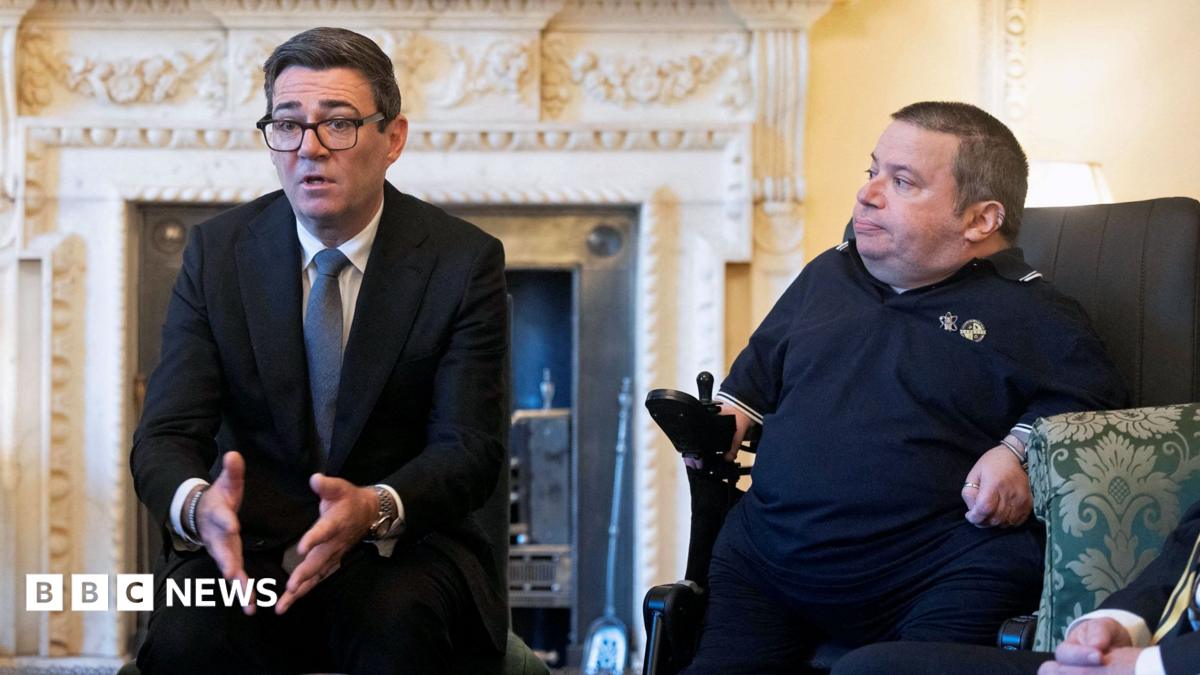
Prime Minister Andy Burnham has announced an independent panel, modeled on the Hillsborough disaster inquiry, to investigate the long-term health effects of Britain’s Cold War-era nuclear weapons tests on veterans and their families. The decision follows decades of campaigning by veterans who believe radiation exposure during tests in Australia and the South Pacific caused a range of illnesses in themselves and hereditary problems in their children. Veterans recounted being exposed to fallout without adequate protection, with some reporting cancers, blood disorders, and miscarriages. The Ministry of Defence has long denied covering up the impact of radiation on troops. The panel will be chaired by Bishop James Jones, who also led the Hillsborough Independent Panel, and is expected to deliver an interim report by October 3, 2025, the 75th anniversary of the first UK nuclear weapons test. Veterans, including John Morris and Brian Unthank, have expressed hope for justice and a full apology from the government. Barbara Quick, whose father served on Christmas Island, also shared her family’s story. Defence Secretary Wes Streeting indicated the government will not prejudge whether the inquiry will lead to an apology or compensation. The announcement is the culmination of years of campaigning by groups like LABRATS, and comes 14 years after a failed legal challenge at the UK Supreme Court. Many veterans have died waiting for acknowledgement of their suffering.
Where they differ
- The Independent emphasized the campaign’s length and the fact that the announcement came after a 14-year legal challenge.
- BBC Newsnight featured direct reactions from veterans, including John Morris and Brian Unthank, providing more personal accounts.
- The Independent highlighted the potential for the panel to operate under the 'Hillsborough law,' creating a legally enforceable duty of candour.
What is not yet known
- Whether the panel’s findings will result in an apology or compensation for affected veterans remains unresolved.
- The extent to which the panel will be able to access previously withheld information from the Ministry of Defence is currently unclear.
Background
- Prime Minister Andy Burnham announced an independent panel to investigate the health effects of UK nuclear weapons tests on veterans and their families, mirroring the Hillsborough disaster inquiry [Fact Refinery, 2026-11-24].
- Veterans have campaigned for decades, believing radiation exposure during tests in Australia and the South Pacific caused illnesses and hereditary problems [Fact Refinery, 2026-11-24].
- A previous legal challenge at the UK Supreme Court, brought by veterans, failed 14 years ago [Fact Refinery, 2026-11-24].
- The UK conducted its first nuclear weapons test 75 years prior to the panel’s interim report deadline [Fact Refinery, 2026-11-24].
- There is existing international concern regarding nuclear testing, with reports of tests conducted by China in the South Pacific [Fact Refinery, 2026-07-06] and discussion of the health effects of nuclear weapons by the WHO [Health Policy Watch, 2025-02-08].
Our reading
We begin by assessing the most likely outcome: the panel will deliver a comprehensive report detailing the extent of health impacts on veterans and their families, potentially revealing previously undisclosed information regarding radiation exposure. This, in turn, will likely lead to a formal apology from the government, as Defence Secretary Streeting has not ruled it out. However, the question of financial compensation remains a significant hurdle; a lack of readily available funds, or a determination that establishing direct causation is too difficult, could prevent it. A less likely scenario involves the panel being hampered by a lack of cooperation from the Ministry of Defence, mirroring concerns regarding access to information. This would discredit the inquiry and further alienate veterans. The timing of this announcement, alongside Burnham’s focus on Iran and EU trade [Fact Refinery, 2026-11-21], suggests a calculated attempt to address a long-standing domestic issue while navigating complex international challenges. The parallel drawn to the Hillsborough inquiry is significant, implying a commitment to transparency and accountability, potentially setting a precedent for other historical grievances. The continued suffering of veterans who have died while awaiting acknowledgement adds a layer of moral urgency. While the government is responding now, the delay raises questions about the internal dynamics within the Ministry of Defence and the political will to address this issue previously. The fact that veterans have been campaigning for decades suggests a systemic resistance to acknowledging the harm caused by these tests.
What to watch
- The interim report of the independent panel, due October 3, 2025, for its findings on health impacts and radiation exposure [Fact Refinery, 2026-11-24].
- Any statements from the Ministry of Defence regarding access to historical records and cooperation with the panel [based on article’s mention of withheld information].
- Whether the government announces any form of compensation package for affected veterans and their families following the panel’s final report [based on article’s mention of unresolved compensation].
Read the original coverage
💬 Comments
📜 Comment Policy