UK Prime Minister Burnham Focused on Iran Amid Domestic Policy Efforts
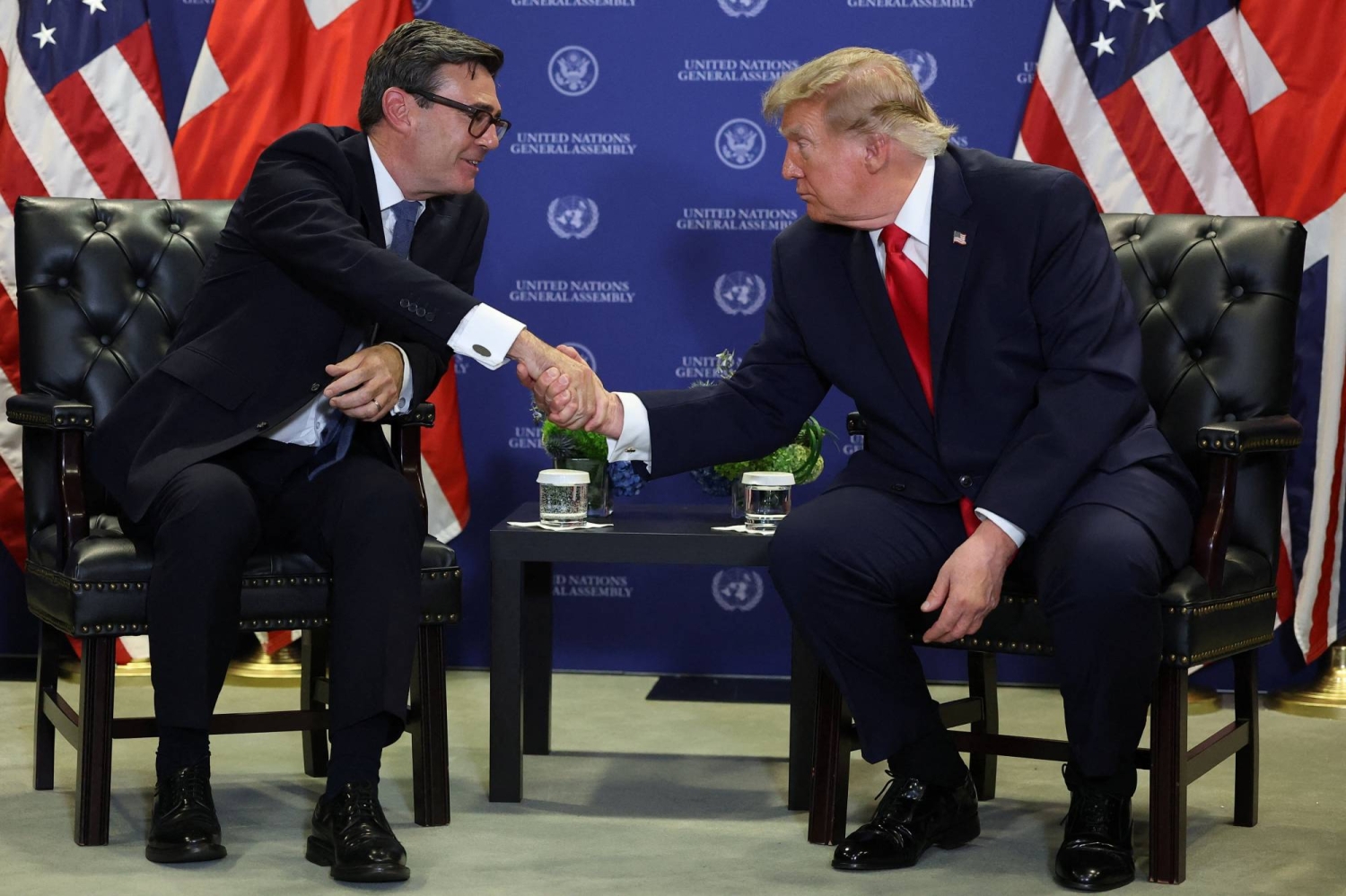
British Prime Minister Andy Burnham is privately focused on the potential for renewed conflict between the United States and Iran, despite publicly emphasizing domestic issues like trade with the European Union and welfare reform. For several weeks, Burnham and senior Cabinet members have been assessing the possibility of fresh US strikes on Iran, a concern that has reportedly grown in recent days, even after the Republican midterm losses. While Burnham secured a deal Friday for closer EU ties projected to boost the economy by 0.5% annually, lower food prices, and potentially reduce electricity costs, officials have informed him that all likely outcomes involving Iran will negatively impact the UK’s economy and security.
Burnham’s preoccupation with Iran comes despite his public focus on securing better trade terms with the EU and reforming Britain’s welfare system. The possibility of Donald Trump resuming major strikes on Iran has consumed Burnham and his most senior Cabinet colleagues, according to people familiar with the matter. While the UK had hoped the Republican defeat in the midterms might temper Trump’s foreign policy, ministers believe the US president is still weighing options for a fresh attack.
Even if Trump decides against resuming conflict, the UK anticipates negative economic and security consequences from any plausible outcome in Iran. The recent deal with the EU is expected to provide a 0.5% annual boost to the economy, along with lower food and electricity prices, but these gains are overshadowed by the looming concerns regarding Iran.
Background
- Andy Burnham became Prime Minister of the UK, vowing to end years of political instability [Reuters, 2026-07-20].
- In November 2026, the UK and the EU reached a deal on trade, emissions, and youth mobility, potentially boosting the UK economy by up to £17bn annually [Fact Refinery, 2026-11-20].
- The UK economy experienced a growth of 0.7% between July and September, driven by the services sector and AI investment [Fact Refinery, 2026-10-14].
- US bombers were withdrawn from RAF Fairford following the arrest of six individuals suspected of terrorism-related offenses, with potential Iranian involvement suggested [Fact Refinery, 2026-10-05].
Our reading
We are struck by the dissonance between Burnham’s public messaging and private preoccupations. While publicly prioritizing domestic issues like the EU deal and welfare reform, his primary focus is clearly the volatile situation with Iran and the potential for renewed US military action. This suggests a deep concern that the economic gains from the EU agreement, a projected 0.5% annual boost, will be insufficient to offset the negative economic and security consequences of conflict in the Middle East. Most likely, the UK will attempt to navigate a path of cautious diplomacy, urging restraint on both the US and Iran while preparing for potential disruptions to trade and security. A less likely outcome is direct UK military involvement, contingent on a significant escalation of the conflict or a direct threat to British interests. The balance could tip if Donald Trump demonstrates a clear intention to launch major strikes, regardless of Republican midterm losses. The broader aspect here is the UK’s limited leverage. Despite securing a closer relationship with the EU, its economic and security fate remains heavily influenced by events outside its control, particularly US foreign policy and regional instability. Given the recent withdrawal of US bombers from RAF Fairford, it appears the US is already factoring in a heightened threat level. The other side, Iran, is likely assessing the UK’s position as aligned with the US, potentially exacerbating tensions and increasing the risk of miscalculation.
What to watch
- Confirmation of whether the US will resume major strikes on Iran, and the timing of any such action [various outlets].
- The UK Parliament’s vote on legislation to implement the EU deal, gauging the level of domestic support for closer ties [Fact Refinery, 2026-11-20].
- Economic indicators released in January, reflecting the impact of rising energy prices and any disruptions to trade [Fact Refinery, 2026-10-14].
Read the original coverage
💬 Comments
📜 Comment Policy