UK Net Migration Falls to Lowest Level Since 1997
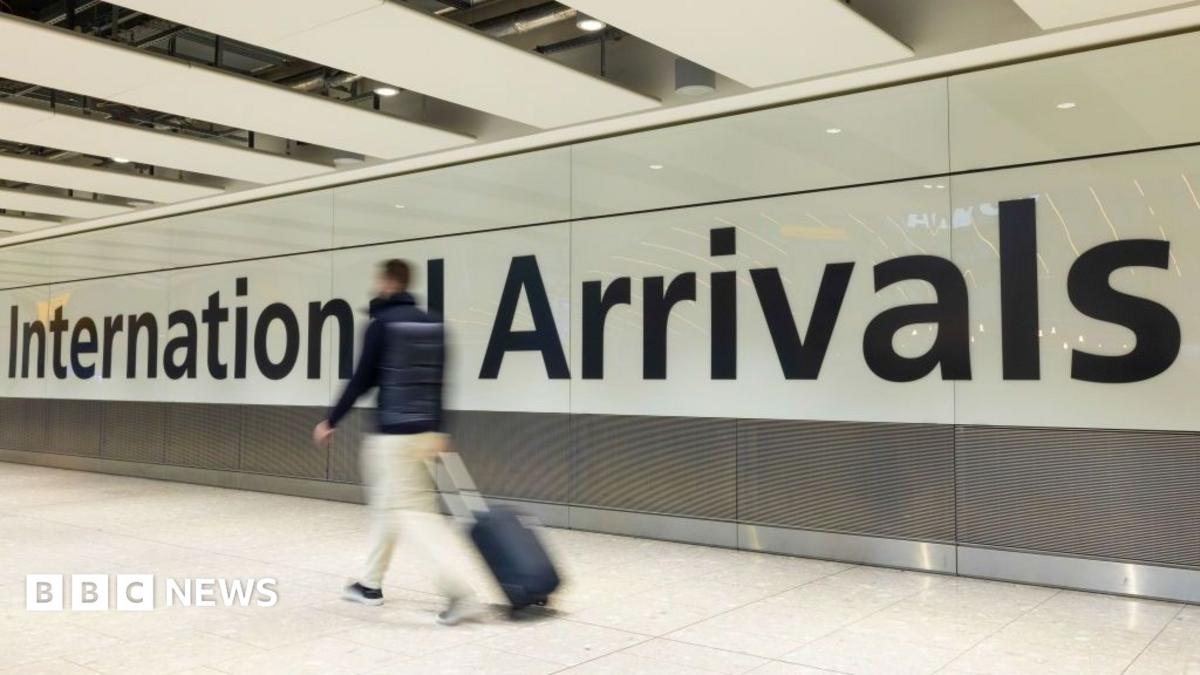
UK net migration fell to 77,000 in the year to June, the lowest level since 1997 excluding the pandemic years, according to Office for National Statistics (ONS) figures. This represents a 92% drop from the record high of 944,000 in the year to March 2023. The decrease is primarily driven by falls in work-related immigration (-45,000), asylum claims (-19,000), and student arrivals (-33,000). The Labour government, led by Home Secretary Shabana Mahmood, attributes the decline to its policies, claiming to have “restored control” and “delivered” where the previous Conservative government failed. Conservative shadow home secretary Chris Philp contends that restrictions implemented by the prior Conservative administration are responsible for the reduction. The 77,000 figure marks the first time the UK has seen net migration in the tens of thousands since former Prime Minister David Cameron’s pledge 16 years ago.
The ONS data indicates a total of 738,000 people immigrated to the UK while 661,000 emigrated. These numbers reflect the tightening of visa rules initiated under the previous Conservative government and continued by Labour from July 2024. Dr. Ben Brindle of Oxford University’s Migration Observatory notes that the UK is entering a period of falling immigration coupled with relatively high emigration. The decline in net migration follows a period of increased arrivals, the so-called “Boris Wave”, after the UK left the EU and broadened access for international workers and students. Rishi Sunak’s subsequent government then introduced stricter visa restrictions.
Where they differ
- The South China Morning Post framed the decline as a boost for the UK’s Labour government, noting pressure from the Reform UK party, while other sources did not emphasize the political context.
- Sky News reported the data as provisional, while the BBC and Guardian presented it as finalized ONS figures.
- The BBC included a direct quote from Home Secretary Shabana Mahmood framing the fall as a success for Labour, a detail less prominent in other reports.
What is not yet known
- The long-term sustainability of the current emigration rate is not established in the sources.
- The economic impact of lowered net migration is questioned by some economists, but the sources do not detail specific concerns.
Background
- The UK government, under both Conservative and now Labour leadership, has been focused on controlling net migration since at least 2008, when David Cameron pledged to reduce it to the “tens of thousands” [Fact Refinery, 2026-11-26].
- Following the UK’s departure from the EU, a period of increased immigration, termed the “Boris Wave”, occurred due to broadened access for international workers and students [Fact Refinery, 2026-11-26].
- Home Secretary Shabana Mahmood has recently been involved in addressing concerns about police impartiality and has taken a firm stance on migrant returns, threatening visa bans for uncooperative countries like Eritrea [Fact Refinery, 2026-11-18; Fact Refinery, 2026-10-15].
- The Office for National Statistics (ONS) is the primary source for UK migration data [background knowledge].
Our reading
We begin by assessing the most likely outcome: a continuation of the downward trend in net migration. The combination of tightened visa rules implemented by both the previous and current governments, coupled with a shift in global mobility patterns as noted by Oxford University’s Dr. Brindle, suggests this decline is not a temporary fluctuation. A reversal would require a significant policy change, such as a loosening of visa requirements, which seems unlikely given the political pressure from parties like Reform UK and the Labour government’s stated commitment to “restored control”. A less likely scenario involves a sudden external shock, a major global crisis prompting increased immigration to the UK, but this is contingent on factors outside the UK’s direct control. Beyond the headline figure, the decrease in student arrivals is a noteworthy aspect. The UK’s higher education sector relies heavily on international students, and a sustained decline could have financial implications for universities. This aligns with broader concerns about the UK’s attractiveness as a destination for skilled workers and international talent, potentially impacting economic growth. The political framing of this data is significant. The dispute between Labour and the Conservatives over responsibility highlights the sensitivity of immigration as a political issue. Labour’s eagerness to claim success, while the Conservatives emphasize their prior actions, suggests both parties will likely continue to prioritize this issue in the lead-up to future elections. The fact that *South China Morning Post* highlighted the political boost for Labour, while other outlets did not, underscores the varying editorial lenses applied to the same data.
What to watch
- The next ONS migration statistics release, expected in May 2027, to confirm whether the current trend is sustained [ONS website].
- Any changes to visa regulations or immigration policies announced by the Home Office in the coming months [gov.uk website].
- Statements from the Reform UK party regarding immigration policy, to gauge their continued pressure on the Labour government [Reform UK website].
Read the original coverage
💬 Comments
📜 Comment Policy