UK Energy Bills to Rise by £443 Annually as Inflation Persists
UK households face a 26% increase in their energy bills from January, adding £443 to the average annual cost, as inflation remains elevated at 3.6%. The predicted rise in the energy price cap, set to be announced by Ofgem next Wednesday, is largely attributed to escalating energy prices linked to events in the Middle East. The Bank of England recently raised interest rates to 4% in an attempt to curb inflation, despite concerns about the impact on borrowers. The government is providing some support, including a VAT cut on electricity and a £100 payment to 20 million households, but Cornwall Insight argues this will only partially offset the increasing costs.
Figures released by the Office for National Statistics show that fuel prices were a major driver of the October inflation increase, with petrol and diesel reaching record highs. Rising energy costs also risk increasing the price of food and other staples, though the Bank of England has seen limited evidence of this so far. Some businesses are absorbing cost increases to maintain profit margins.
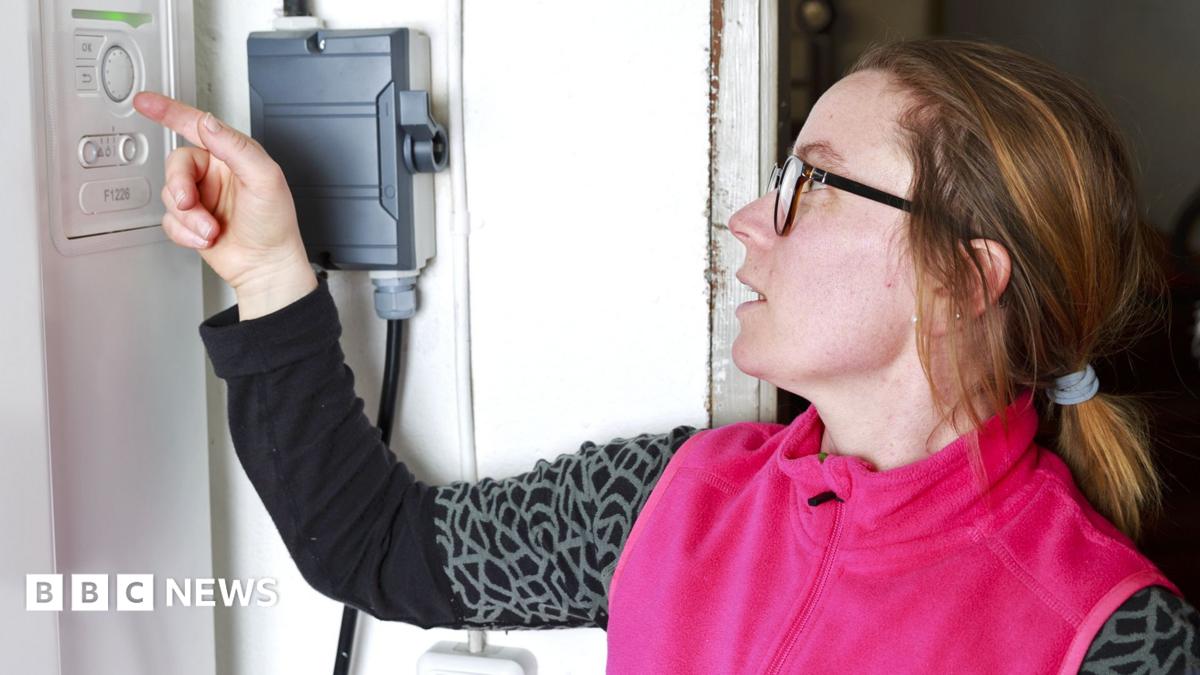
Consumers are already adjusting their habits to cope with high energy prices. Sophie, a cafe manager in Brighton, described monitoring her smart meter closely and reducing oven use, opting for electric blankets instead of central heating.
Shadow chancellor Andrew Griffith blamed the rising inflation on “soaring energy costs” and Labour’s tax policies. The government, through Chancellor John Healey, has promised measures to lower energy costs in the long term, including a one-off payment of £100 to 20 million households in January, in addition to existing support schemes like the Warm Home Discount and a VAT cut on electricity bills until July.
Where they differ
- The Guardian highlighted the prediction being ‘one of the biggest quarterly price rises on record’ and noted it was well above Cornwall Insight’s late September prediction.
- The BBC emphasized a consumer’s personal adjustments to cope with rising costs, quoting Sophie’s experience with electric blankets and reduced oven use.
- The Guardian detailed the specific council tax bands (A to D) eligible for the £100 payment, while the BBC only mentioned 20 million households would receive it.
What is not yet known
- The long-term impact of higher interest rates on the UK economy remains unclear.
- The extent to which businesses will pass on higher energy costs to consumers is still developing.
Background
- In late September, Cornwall Insight predicted a rise in UK energy bills of £276 annually [Fact Refinery, 2026-09-30].
- The UK economy experienced 0.7% growth between July and September, driven by the services sector and AI investment, though economists anticipate a slowdown due to rising energy bills [Fact Refinery, 2026-11-12].
- The Bank of England recently raised interest rates to 4% in an attempt to curb inflation, citing the ongoing conflict in the Middle East as a key driver [Fact Refinery, 2026-11-05].
- The UK is a net importer of energy, making it particularly vulnerable to external energy shocks [Fact Refinery, 2026-11-05].
Our reading
We begin with the forecast. The most likely outcome is that energy bills will indeed rise by £443 in January, as predicted, and consumers will continue to adjust their behaviour, reducing energy use as Sophie, the Brighton cafe manager, is already doing. A significant escalation of the conflict in the Middle East, disrupting energy supplies further, could push prices even higher. Less likely is a rapid de-escalation of the conflict, leading to a fall in energy prices and a smaller increase in the price cap. This would require a substantial diplomatic breakthrough. A broader aspect to consider is the potential impact on consumer spending. While the UK economy has shown recent growth, this is largely concentrated in sectors less visible to the average household. Rising energy costs, coupled with high interest rates, could squeeze household budgets, offsetting any gains from economic expansion and potentially leading to a slowdown in overall consumer demand. The situation for businesses is also complex. Some are absorbing cost increases to maintain profit margins, but this is unlikely to be sustainable in the long term. The tension between maintaining competitiveness and passing on costs to consumers will likely intensify, potentially leading to price increases for goods and services beyond energy.
What to watch
- The official announcement of the energy price cap by Ofgem next Wednesday [The Guardian, 2026-11-18].
- The release of the next inflation figures by the Office for National Statistics, to assess the impact of rising fuel prices [Fact Refinery, 2026-11-05].
- Consumer spending data for January, to gauge the effect of higher energy bills on household budgets [Fact Refinery, 2026-11-12].
Read the original coverage
💬 Comments
📜 Comment Policy