UK Energy Bills to Rise 26% in January, Exceeding £2,000 Annually
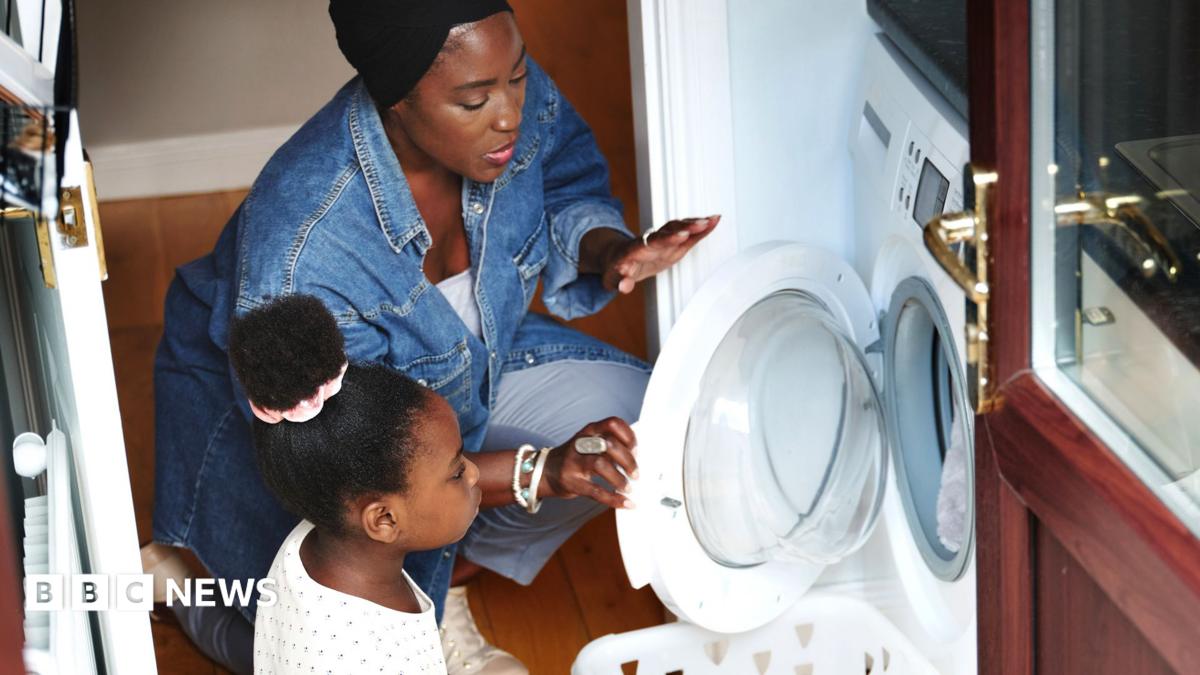
Energy bills for millions of households in Great Britain will increase by 26% in January, raising the typical annual cost to over £2,000 for the first time since the Russian invasion of Ukraine. Regulator Ofgem attributes the rise entirely to higher wholesale gas costs, driven primarily by conflict in the Middle East. The increase will see a typical annual bill rise from £1,723 to £2,166, equivalent to roughly £37 per month. A £100 payment will be issued to millions of households from January 4th, supplementing an existing VAT cut on electricity, and the warm home discount will provide £150 to six million households on benefits. Citizens Advice warns of a “brutal winter” and anticipates rising debt and increased demand for emergency support. Ofgem is urging suppliers to offer appropriate support to struggling customers. The increase represents the largest since the surge in prices following Russia’s invasion of Ukraine, and comes during a period of peak energy usage. People on prepayment meters are expected to be particularly affected. Energy Secretary Miatta Fahnbulleh stated people will be “deeply concerned” by the rise, attributing it to overseas conflicts and volatile fossil fuel markets. Shadow Energy Secretary Andrew Bowie criticized the Labour party for adding “green levies and taxes” to bills, and signing up to an EU scheme that could further increase costs.
Where they differ
- The Guardian emphasized the increase in wholesale gas costs as the primary driver of the price cap, while the BBC focused on the overall impact of the 26% rise on household bills.
- The BBC included a quote from Dame Clare Moriarty of Citizens Advice warning of a “brutal winter,” a sentiment not explicitly highlighted in the Guardian’s reporting.
- The BBC reported the government will make a £100 payment to households, while the Guardian did not mention this specific payment.
What is not yet known
- The long-term impact of the conflict in the Middle East on energy costs remains uncertain.
- The extent to which suppliers will be able to provide adequate support to struggling customers is unknown.
Background
- The energy price cap in Great Britain is set by Ofgem, the regulator, and aims to protect consumers from rapid price increases [Fact Refinery, 2026-11-25].
- The Russian invasion of Ukraine in 2022 caused a significant surge in wholesale energy prices, impacting household bills [Fact Refinery, 2026-11-25].
- The UK government implemented a VAT cut on electricity and provided a £100 payment to households to mitigate the impact of rising energy costs [Fact Refinery, 2026-11-25].
- Citizens Advice is a charity providing free, independent advice on a range of issues, including debt and energy bills [background knowledge].
Our reading
We begin by forecasting that the most likely outcome is sustained high energy prices for the foreseeable future, contingent on the duration and escalation of conflicts in the Middle East. A less likely scenario is a stabilization of prices if a ceasefire is achieved and oil/gas production increases, but this seems improbable given the current geopolitical climate. The scale of the price increase, the largest since the invasion of Ukraine, suggests a fundamental shift in energy markets rather than a temporary spike. The article highlights a broader aspect: the growing financial strain on British households, compounded by rising interest rates as reported by FF News. This creates a precarious situation for vulnerable consumers, particularly those on prepayment meters, and could lead to increased debt and demand for social support. The government’s supplementary payments, while helpful, appear insufficient to offset the full impact of the 26% increase. Considering the other side, the energy suppliers are under pressure to balance profitability with providing adequate support to struggling customers, as urged by Ofgem. Shadow Energy Secretary Bowie’s criticism of Labour’s “green levies” suggests a political dimension to the issue, with the opposition attempting to position itself as fiscally responsible. The suppliers may be facing a public relations challenge, needing to demonstrate empathy while also managing their own costs in a volatile market.
What to watch
- The number of households falling into fuel poverty, as reported by Citizens Advice [Citizens Advice].
- Ofgem’s assessment of supplier compliance with its guidance on supporting vulnerable customers [Ofgem].
- Any changes in wholesale gas prices following developments in the Middle East [TradingView].
Read the original coverage
💬 Comments
📜 Comment Policy