Trump’s Defamation Suit Against New York Times, Penguin Random House Proceeds
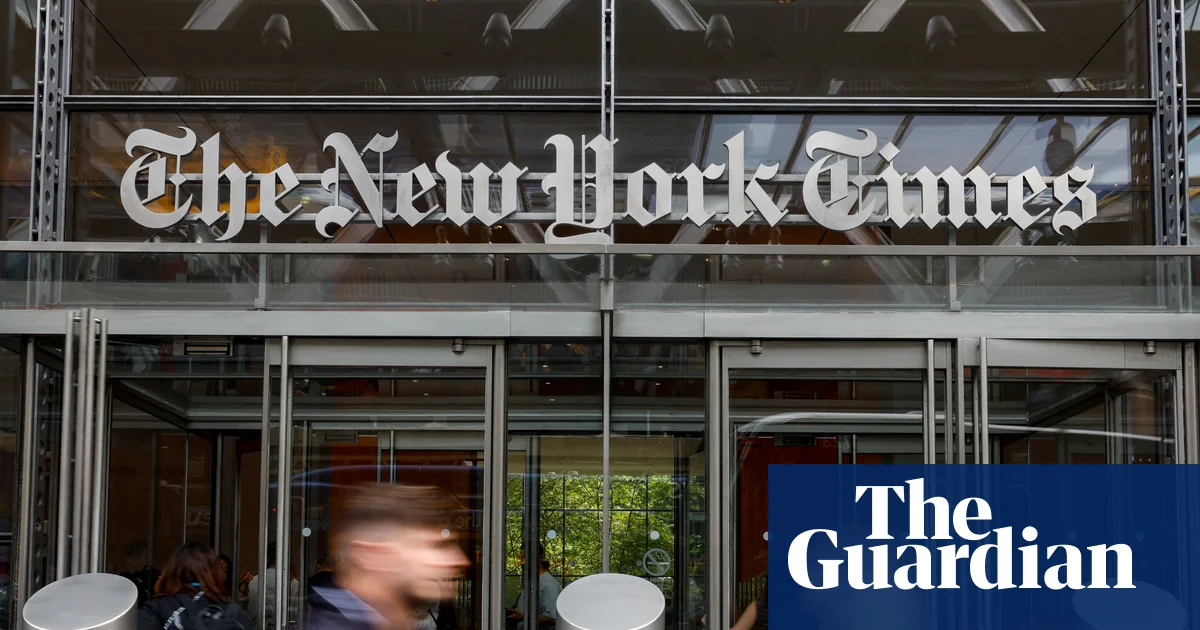
A federal judge in Florida has allowed core claims in Donald Trump’s $15 billion defamation lawsuit against the New York Times and Penguin Random House to proceed, rejecting the publishers’ attempt to have the entire case dismissed. US District Judge Steven Merryday in Tampa dismissed two claims but ruled the remaining allegations plausibly asserted that statements accusing Trump of “planning and perpetrating complex crimes” were based on insufficient evidence.
The suit centers on articles published by the New York Times and the 2024 book *Lucky Loser: How Donald Trump Squandered His Father’s Fortune and Created the Illusion of Success*, co-authored by Susanne Craig, Russ Buettner, and Peter Baker. Trump alleges the materials contain false statements that damaged his businesses and reputation, citing 22 statements from the book and 12 from the articles related to his reality TV show *The Apprentice*, inheritance, business ventures, and upbringing. An earlier, 80-page version of the complaint was dismissed for being overly verbose and accusatory; an amended, 40-page version filed in October removed references to the 2024 presidential election. Mediation efforts and a request to move the case to New York were unsuccessful.
The New York Times and Penguin Random House maintain the lawsuit is legally flawed and politically motivated, with a Times spokesperson calling it “obviously meritless” and a Penguin Random House spokesperson describing it as “meritless” and affirming their support for the book and its authors. Judge Merryday, an appointee of George H.W. Bush, determined that the remaining claims were plausible despite finding some initial claims insufficient.
Background
- Donald Trump filed a $10 billion defamation suit against the BBC in Florida, centering on editing of a January 6, 2021, speech; a judge allowed core claims to proceed [Fact Refinery, 2026-11-11].
- In November 2026, Democrats gained control of both chambers of Congress, emboldening them to consider raising the federal minimum wage, with proposals ranging up to $25 by 2030 [Fact Refinery, 2026-11-17].
- The Supreme Court is scheduled to hear a case challenging President Trump’s policy restricting asylum claims at the southern border [Fact Refinery, 2026-11-13].
- Jim Jordan was elected House Republican Leader after midterm losses, signaling a shift in strategy for the party [Fact Refinery, 2026-11-11].
Our reading
We begin by considering the most likely outcome: Trump will continue to pursue this litigation, even if the ultimate financial recovery is minimal. The judge’s decision to allow the core claims to proceed, despite dismissing some, provides Trump with a platform to publicly air grievances and maintain relevance in the news cycle. A less likely scenario is a swift settlement, though the BBC precedent suggests the publishers may be willing to offer a financial resolution to avoid a protracted legal battle. The balance could tip if damaging evidence emerges during discovery, or if the case becomes inextricably linked to the 2028 presidential election. A broader aspect is the increasing weaponization of defamation lawsuits by public figures. Following the BBC case, Trump is now actively pursuing legal action against media outlets, potentially chilling investigative journalism and creating a climate of self-censorship. This trend could have significant implications for freedom of the press and public discourse. The New York Times and Penguin Random House are likely bracing for a lengthy and expensive legal fight, while simultaneously framing the lawsuit as a politically motivated attack. Their internal calculations will weigh the costs of litigation against the potential damage to their reputations if they are seen as backing down in the face of Trump’s legal pressure.
What to watch
- The schedule for discovery, particularly depositions of the authors and New York Times editors [New York Times, 2026-11-19].
- Any motions for summary judgment filed by either side, indicating confidence in their legal position [Reuters, 2026-11-19].
- Public statements from Trump regarding the case, which could signal his broader strategic goals [TheWrap, 2026-11-19].
Read the original coverage
💬 Comments
📜 Comment Policy