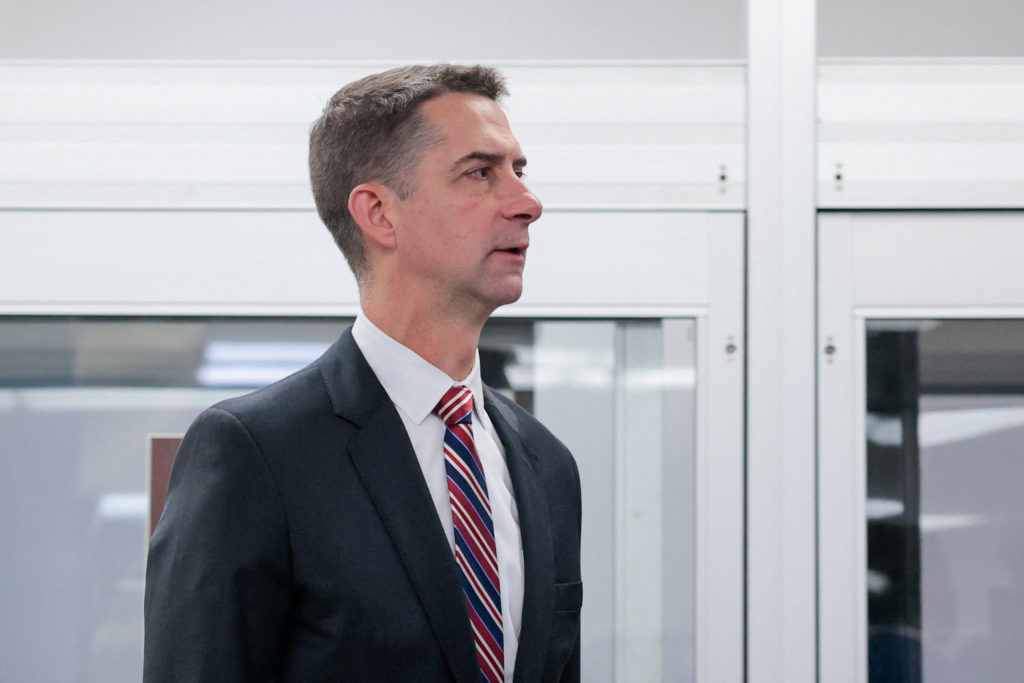
President Donald Trump has publicly called for supporters to contact Arkansas Senator Tom Cotton, urging him to support the Sunshine Protection Act, which would make daylight saving time permanent nationwide. Cotton is currently opposing the bill, citing concerns about dark winter mornings for children and pointing to past instances where Congress enacted and then repealed permanent daylight saving time. The U.S. House passed the bill by a 308-117 vote in July, but it has stalled in the Senate. Trump, on his social media platform, criticized Cotton’s opposition, claiming he won Arkansas by nearly 40 points three times and arguing that eliminating clock changes would benefit the state. He also noted the House approved the bill with bipartisan support.
Cotton responded on X, stating that Arkansans do not want their children going to school in the dark and that he will prioritize the interests of Arkansas. He further explained that Congress has previously adopted and repealed permanent daylight saving time after experiencing late sunrises in winter. Trump, in turn, shared Cotton’s phone number online, encouraging constituents to call his office. He also referenced past instances where similar legislation was used as a “negotiating chip” for other bills, suggesting a political motive behind the current stalemate.
Left and lean-left sources emphasize Trump’s unusual tactic of sharing a senator’s phone number and frame the issue as a push for a popular measure blocked by a single senator. Right-leaning coverage focuses on Cotton’s rationale for opposing the bill, highlighting his concerns about the impact on Arkansas residents and the historical precedent of repealing similar legislation.
Our reading is that President Trump is leveraging his continued political influence to pressure a Senator who opposes legislation Trump previously supported. The public sharing of Senator Cotton’s phone number appears to be an unusual tactic intended to mobilize public pressure, and the framing of the dispute differs significantly depending on the source’s political leaning. The article suggests a power play, with Trump framing the issue as benefiting Arkansas while simultaneously hinting at political motivations behind Cotton’s opposition.
Read the original coverage
💬 Comments
📜 Comment Policy