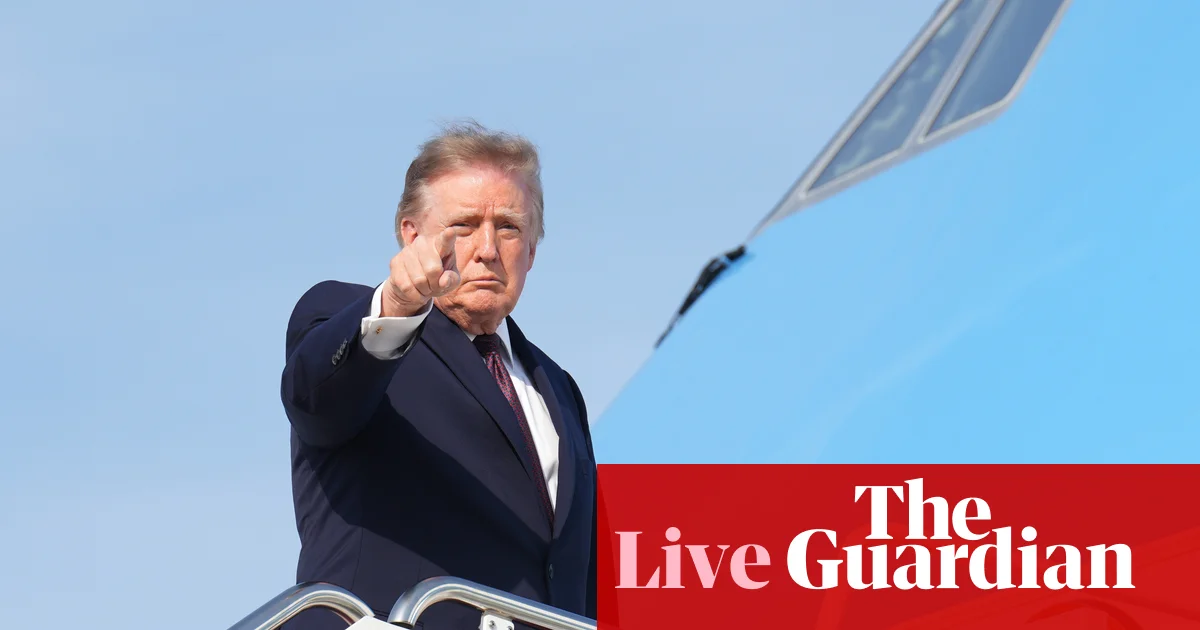
Donald Trump has threatened to double tariffs on South Korea if they do not fund a $54 billion natural gas pipeline in Alaska, claiming it was part of a deal to lower tariffs in exchange for investment in the US. This follows a statement from a Korean official clarifying that the country had only agreed to review the potential investment, contradicting Trump’s initial announcement. The President asserted he would impose higher tariffs if South Korea does not “sign shortly.”
Trump made the initial announcement of the pipeline project during an Oval Office ceremony, stating the agreement was reached in 2025. When questioned about the Korean official’s statement on Friday, Trump dismissed it, threatening increased tariffs. Senator Tommy Tuberville, speaking at a campaign rally in Alabama, urged supporters to vote in the midterms.
Separately, a federal judge blocked the Trump administration from constructing a border wall at Big Bend National Park in Texas, halting construction until a lawsuit opposing the project is resolved. Crews had begun bulldozing in August, prompting backlash from local leaders and landowners. The plan, dubbed the “smart wall,” was briefly paused before resuming in September. Tiernan Sittenfeld, CEO of the National Parks Conservation Association, hailed the court’s ruling as a victory for the park.
Our reading is that President Trump is attempting to leverage a previously announced agreement, the details of which remain opaque, into direct financial contributions from South Korea. The simultaneous reporting of a blocked border wall construction and Senator Tuberville’s campaigning suggests a pattern of the administration pursuing multiple, potentially contentious initiatives concurrently, possibly as a distraction or to test political boundaries. The differing focuses of Politico and The Guardian highlight the fragmented nature of the news cycle and the varying priorities of different outlets.
Read the original coverage
💬 Comments
📜 Comment Policy