Trump Proposes New Tariffs on China, EU, and Other Trading Partners
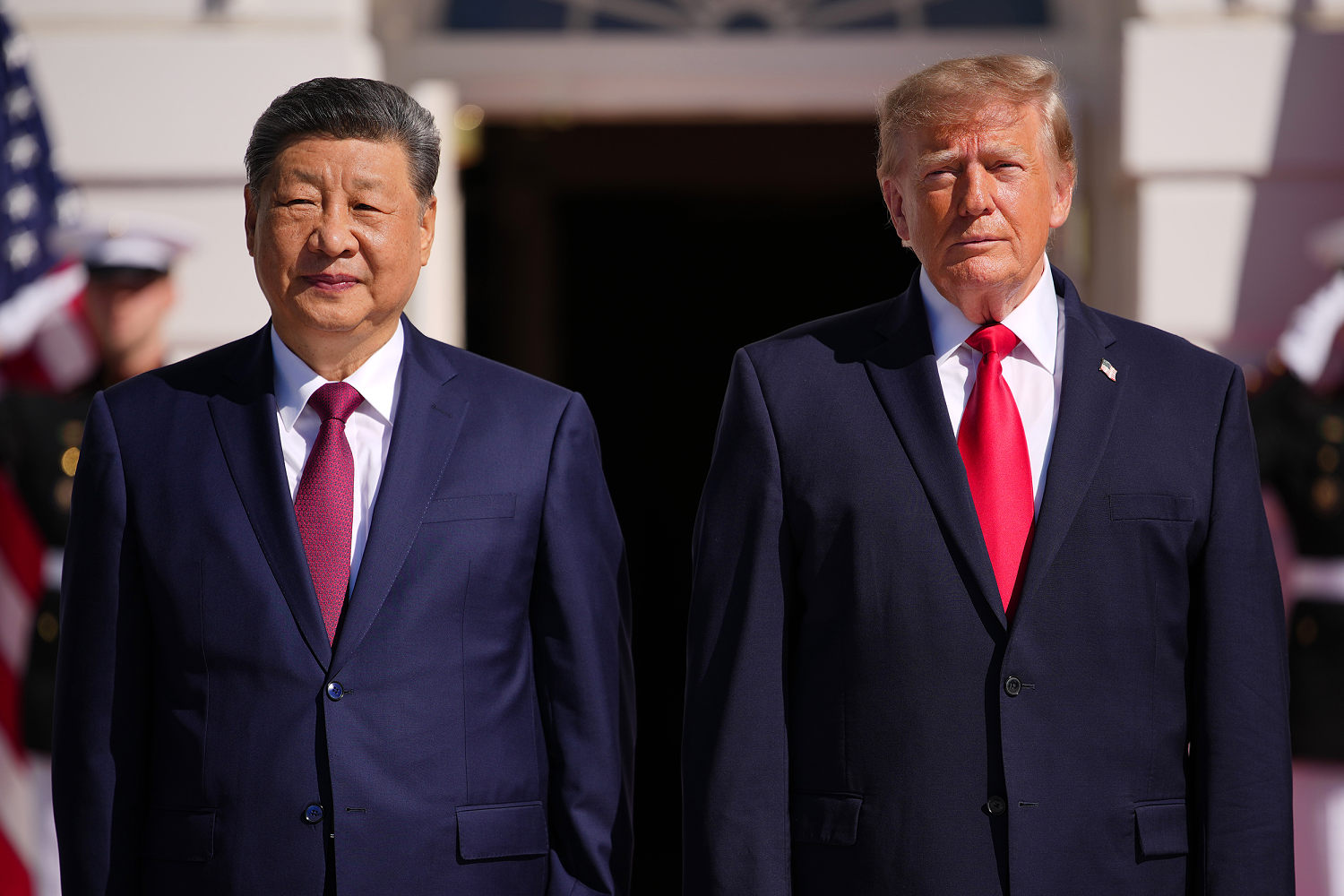
The Trump administration proposed a new wave of tariffs on goods from China, the European Union, and 12 other economies, citing unfair manufacturing practices and excess capacity. The proposed tariffs, implemented under Section 301 of the Trade Act of 1974, include an additional 20% tariff on Chinese goods, on top of existing duties, potentially rising to 40% if trade talks fail. While tariffs on the EU, Japan, South Korea, Taiwan, and other economies will largely adhere to existing trade agreements, with a 15% cap for the EU, the administration aims to address what it calls “overcapacity” in key manufacturing sectors. U.S. Trade Representative Jamieson Greer stated the new tariffs are intended to be “targeted” and will not stack on top of existing duties except for China.
The announcement follows a months-long investigation into trade practices and comes less than a month after Republican losses in the midterm elections, where tariffs and resulting inflation were a key issue. Inflation stood at 3.7% in September. The administration anticipates negotiations with trading partners and expects the tariffs to take effect no sooner than a couple of months from now. China’s commerce ministry rejected the basis for the new tariffs, stating that “tariff wars and trade wars are in the interests of neither side.”
The proposed tariffs are a shift in strategy after the Supreme Court struck down previous tariffs enacted under a different authority, prompting the administration to utilize Section 301. The administration also recently proposed tariffs on Brazilian sugar and aircraft due to a lack of progress in trade talks. Despite concerns about renewed trade tensions, a senior U.S. official expressed optimism that further trade agreements could be signed at the upcoming G20 summit.
Where they differ
- Semafor and CNBC emphasized the administration's expectation of minimal retaliation from China, framing it as part of a strategy to establish stability.
- Axios highlighted the timing of the announcement following the midterm elections and voter concerns about affordability.
- DW noted the tariffs could further fuel U.S. inflation, a key issue in the recent midterm elections, while other sources focused more on the rationale behind the tariffs.
- NBC News and CBS News provided more detailed reporting on the specific investigations that led to the tariff proposals, while other outlets focused on the broader implications.
What is not yet known
- The precise implementation timeline for the tariffs remains unclear, with officials citing a need for public comment and hearings.
- The extent to which trading partners will engage in negotiations following the tariff proposals is uncertain.
Background
- The Trump administration previously utilized Section 301 of the Trade Act of 1974 to enact tariffs, but these were struck down by the Supreme Court [Fact Refinery, 2026-11-25].
- In November 2026, the Trump administration abandoned using business deals as leverage over Russia regarding the war in Ukraine [Fact Refinery, 2026-11-25].
- Concerns about Nvidia CEO Jensen Huang’s connections to individuals with ties to Chinese intelligence led to scrutiny and a Congressional hearing, though Trump expressed willingness to pardon him if necessary [Fact Refinery, 2026-11-25].
- Inflation stood at 3.7% in September, a factor in recent midterm election results [Article].
- The administration recently proposed tariffs on Brazilian sugar and aircraft due to stalled trade negotiations [Article].
Our reading
We see the proposed tariffs as a calculated gamble, aimed at both economic and political outcomes. Most likely, the administration hopes to project strength domestically following midterm losses, appealing to voters concerned about manufacturing jobs and perceived unfair trade practices. The expectation of minimal retaliation from China, as highlighted by Semafor and CNBC, suggests a belief that Beijing will prioritize stability over escalating tensions. Less likely, but possible, is a full-blown trade war if China responds aggressively, potentially derailing the G20 summit and further fueling U.S. inflation, as noted by DW. A key factor tipping the balance will be the degree to which trading partners engage in meaningful negotiations, as the administration anticipates. The timing of these tariffs, following the midterm elections and the Supreme Court ruling, suggests a strategic shift. The administration is clearly attempting to regain control of trade policy using available legal avenues. The focus on “overcapacity” in manufacturing sectors could be a broader attempt to address long-term economic concerns about global supply chains and domestic industrial strength. Considering China’s perspective, the rejection of the tariff basis, while predictable, masks a complex internal situation. The ongoing scrutiny of Nvidia’s CEO and his connections, coupled with the reported investigations into export control violations, suggests a broader US effort to limit China’s access to advanced technologies, potentially impacting its economic and military ambitions.
What to watch
- The official implementation timeline for the tariffs, including the public comment and hearing process [Article].
- The response from China’s Ministry of Commerce beyond the initial rejection, specifically whether they escalate tensions or signal a willingness to negotiate [Article].
- Any statements from the G20 summit regarding trade agreements or the resolution of tariff disputes [Article].
Read the original coverage
💬 Comments
📜 Comment Policy