Trump Cybersecurity Pick Questions January 6th as Attack, Avoids Stating 2020 Election Outcome
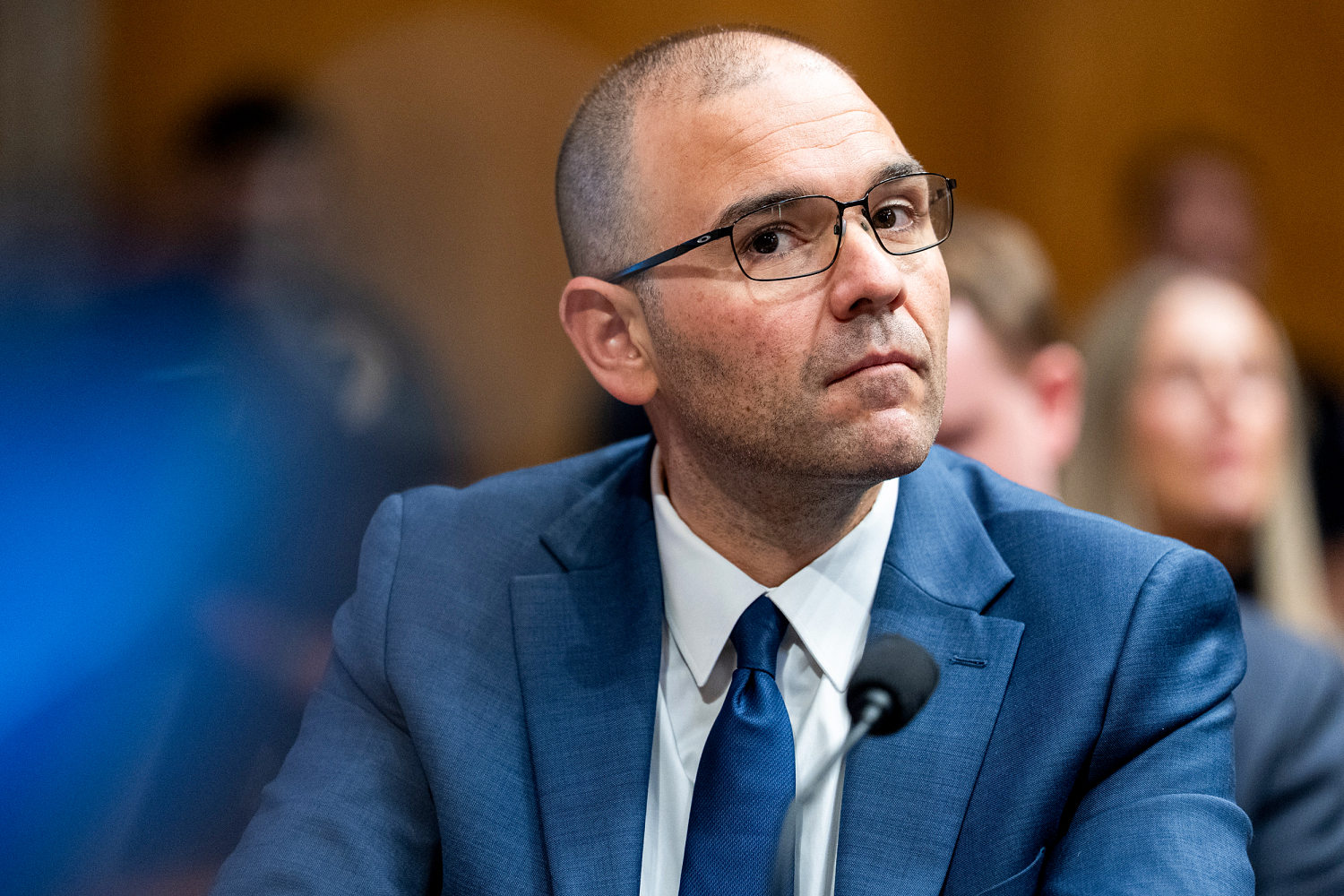
Michael LoSapio, President Donald Trump’s nominee to lead the Cybersecurity and Infrastructure Security Agency (CISA), stated during a Senate hearing that he does not believe the events of January 6, 2021, constituted an attack on the Capitol. LoSapio also declined to affirm that Joe Biden won the 2020 presidential election. The hearing raised concerns among Democrats about LoSapio’s objectivity and suitability to oversee the security of U.S. election systems, particularly given CISA’s role as the nation’s 911 system for cybersecurity. Senator Richard Blumenthal repeatedly pressed LoSapio on both issues, accusing him of lacking independence. LoSapio, currently the chief information security officer at Palantir, maintained he was not involved in politics at the time of the 2020 election and that his responses were not a commentary on past events. This nomination follows former CISA Director Chris Krebs’ dismissal by Trump after Krebs refuted claims of election fraud. LoSapio’s hearing occurred amid a week of digital disruptions, including outages at the FAA, NSA, and multiple websites, raising concerns about the nation’s cybersecurity posture as AI-enabled threats increase. Trump’s administration has also faced scrutiny for its past actions related to the January 6th riot, including pardons and a controversial Justice Department fund.
Where they differ
- Both NBC News and Mother Jones report the same core facts of LoSapio's testimony, but Mother Jones provides additional context regarding Palantir’s financial ties to Trump’s White House ballroom project and its securing of billions in government contracts.
- NBC News highlights that CISA has not had a Senate-confirmed director since January 2025, when Jen Easterly vacated the role, while Mother Jones does not mention this timeframe.
- Mother Jones details the recent wave of digital outages (FAA, NSA, websites) as a backdrop to the hearing, emphasizing growing cybersecurity concerns, while NBC News mentions these outages but does not foreground them as prominently.
What is not yet known
- The extent to which LoSapio’s past work at Palantir may influence his decisions as CISA director remains unclear.
- Whether LoSapio will be confirmed by the Senate is currently unresolved.
Background
- Donald Trump served as President and is currently seeking another term [background knowledge].
- Chris Krebs was dismissed as CISA Director by Trump after disputing claims of election fraud [Fact Refinery, 2026-11-13].
- CISA is described as the nation’s “911 system for cybersecurity” and plays a crucial role in securing U.S. election systems [Fact Refinery, 2026-11-13].
- Palantir has secured billions in government contracts and has financial ties to a Trump White House ballroom project [Fact Refinery, 2026-11-13].
- Jen Easterly vacated the role of CISA director in January 2025 [Fact Refinery, 2026-11-13].
Our reading
We find the timing of LoSapio’s testimony particularly noteworthy. It occurs amidst a series of digital disruptions, FAA outages, NSA issues, website failures, highlighting vulnerabilities in U.S. cybersecurity infrastructure. This context amplifies the concerns raised by Democrats regarding LoSapio’s suitability to lead CISA, as his reluctance to acknowledge the severity of January 6th and the legitimacy of the 2020 election results casts doubt on his objectivity. Most likely, LoSapio’s nomination will face significant hurdles in the Senate, potentially leading to a prolonged confirmation battle or even rejection. A decisive vote against him would signal a rare rebuke of Trump’s appointments and could force a reassessment of cybersecurity leadership. Less likely, but possible, is a swift confirmation if Republicans rally strongly behind him, perhaps prioritizing loyalty over concerns about objectivity. This would require downplaying the security risks and framing LoSapio’s views as simply non-political. The repeated emphasis on Palantir’s involvement, both in LoSapio’s current role and as a provider of technology used by DHS, suggests a potential conflict of interest. The fact that Mother Jones highlights Palantir’s financial ties to Trump’s projects, while NBC News does not, indicates this aspect could become a focal point of scrutiny. Furthermore, the ongoing Supreme Court challenge to Trump’s asylum ban [Fact Refinery, 2026-11-13] and the blocked construction of his proposed arch [Fact Refinery, 2026-11-06] demonstrate a pattern of legal challenges to his administration’s actions, suggesting further resistance to his agenda. THE OTHER SIDE, Given Trump’s history of dismissing dissenting voices within his administration, and the dismissal of Chris Krebs, LoSapio’s apparent willingness to avoid direct confrontation on sensitive issues likely appeals to the former President. The hard-right base, still deeply skeptical of the 2020 election results, will likely view LoSapio’s statements as a validation of their beliefs, potentially strengthening his position despite opposition from Democrats. However, this alignment also risks further alienating moderate Republicans and independent voters who may prioritize competence and objectivity in cybersecurity leadership.
What to watch
- The Senate vote on LoSapio’s confirmation [Senate website].
- Any further reporting on Palantir’s contracts with the government and potential conflicts of interest [NBC News, Mother Jones].
- The next report on the ongoing cybersecurity disruptions and CISA’s response [CISA website].
Read the original coverage
💬 Comments
📜 Comment Policy