Trump Administration Announces New Tariffs on Multiple Trading Partners
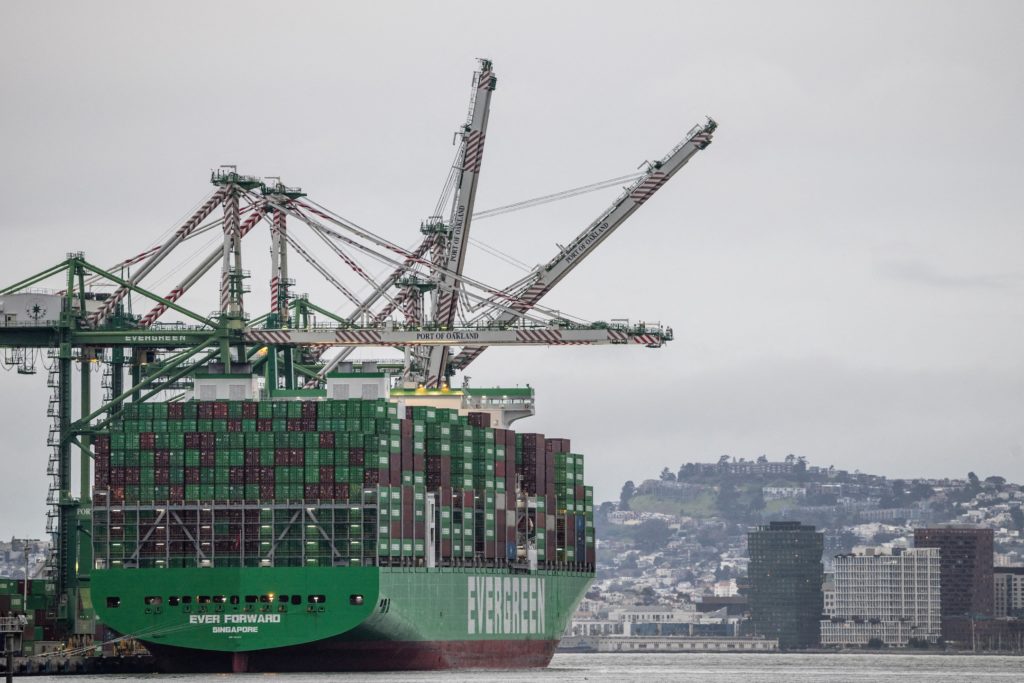
The Trump administration is moving forward with new tariffs on goods from China, the European Union, and 12 other countries, potentially increasing costs for American consumers. China will face a 20% tariff on most products, while the EU will be subject to a 15% tariff, the maximum rate agreed upon in a 2025 negotiation. These tariffs, based on Section 301 of the Trade Act of 1974, are being implemented despite recent election results that saw voters respond to rising prices, which some attribute to previous tariffs. The US Trade Representative will hold hearings on the new tariffs beginning January 25th, with the tariffs potentially taking effect shortly thereafter.
Beyond China and the EU, the tariffs also apply to products from Bangladesh, Cambodia, India, Indonesia, Japan, South Korea, Malaysia, Singapore, Switzerland, Taiwan, Thailand, and Vietnam. The administration cites unfair foreign trade practices as justification for the tariffs, invoking the legal authority granted by the 1974 Trade Act. Cleantechnica reports that the tariffs on Chinese products are being raised from approximately 20% to 40%.
Some observers, like those at Cleantechnica, suggest the administration is prioritizing a 1970s-era economic ideology despite recent electoral outcomes. The impact on consumers is expected to be a pass-through of increased costs from importers and retailers. The Wall Street Journal reports that Gavin Bade discussed the potential impacts of these tariffs with PBS NewsHour.
Where they differ
- Cleantechnica frames the tariffs as a continuation of policies that have already contributed to rising prices and attributes them to a dated economic ideology.
- PBS NewsHour presents the information as a new announcement and focuses on expert analysis of the potential economic impacts, without explicitly framing the tariffs as part of a larger trend.
- Cleantechnica explicitly connects the tariffs to the recent election results and voter response to rising prices, while PBS NewsHour does not.
What is not yet known
- The specific details of the 'unfair foreign trade practices' that prompted the tariffs remain largely unspecified in the sources.
- The extent to which importers and retailers will pass on the increased costs to consumers is not fully clear.
Background
- The Trump administration previously proposed new tariffs on China, the EU, and other economies in 2026, citing unfair manufacturing practices and excess capacity [Fact Refinery, 2026-11-25].
- Section 301 of the Trade Act of 1974 provides the legal authority for these tariffs [Fact Refinery, 2026-11-25].
- Inflation stood at 3.7% in September, and tariffs were a key issue in recent midterm elections, resulting in Republican losses [Fact Refinery, 2026-11-25].
- China is North Korea’s largest trading partner, with bilateral trade reaching $2.7 billion last year [Fact Refinery, 2026-10-15].
Our reading
We begin by forecasting three potential outcomes. The most likely scenario is that these tariffs will proceed as announced, triggering retaliatory measures from the EU and China, leading to a further escalation of trade tensions. This is supported by the administration’s apparent disregard for recent electoral outcomes and its continued reliance on Section 301. A less likely outcome is a negotiated compromise, perhaps involving limited concessions from trading partners, if the administration prioritizes avoiding a full-blown trade war. This would require a shift in approach not evident in the current reporting. Finally, a complete reversal of the tariffs is the least likely outcome, given the administration’s stated justification and the existing legal framework. A significant drop in inflation, or a dramatic shift in public opinion, might force reconsideration. The timing of these tariffs, following the opening of a new bridge between China and North Korea, suggests a broader strategic intent beyond simply addressing unfair trade practices. The administration may be attempting to exert pressure on China across multiple fronts. The focus on “overcapacity” in manufacturing sectors also hints at a desire to reshore production, potentially impacting global supply chains. The article highlights a divergence in reporting, with Cleantechnica explicitly linking the tariffs to a dated economic ideology and recent election results, while PBS NewsHour presents the information more neutrally. This suggests a potential internal debate within the media landscape regarding the motivations and consequences of these policies. The lack of detailed justification for the tariffs, as noted in the “What is not yet known” section, further fuels this sense of opacity.
What to watch
- The US Trade Representative hearings beginning January 25th, for indications of the administration’s willingness to negotiate [US Trade Representative website].
- The official implementation date of the tariffs, to determine the speed and extent of their rollout [Federal Register].
- Responses from the EU and China, specifically whether they will impose retaliatory tariffs [respective government trade ministries].
Read the original coverage
💬 Comments
📜 Comment Policy