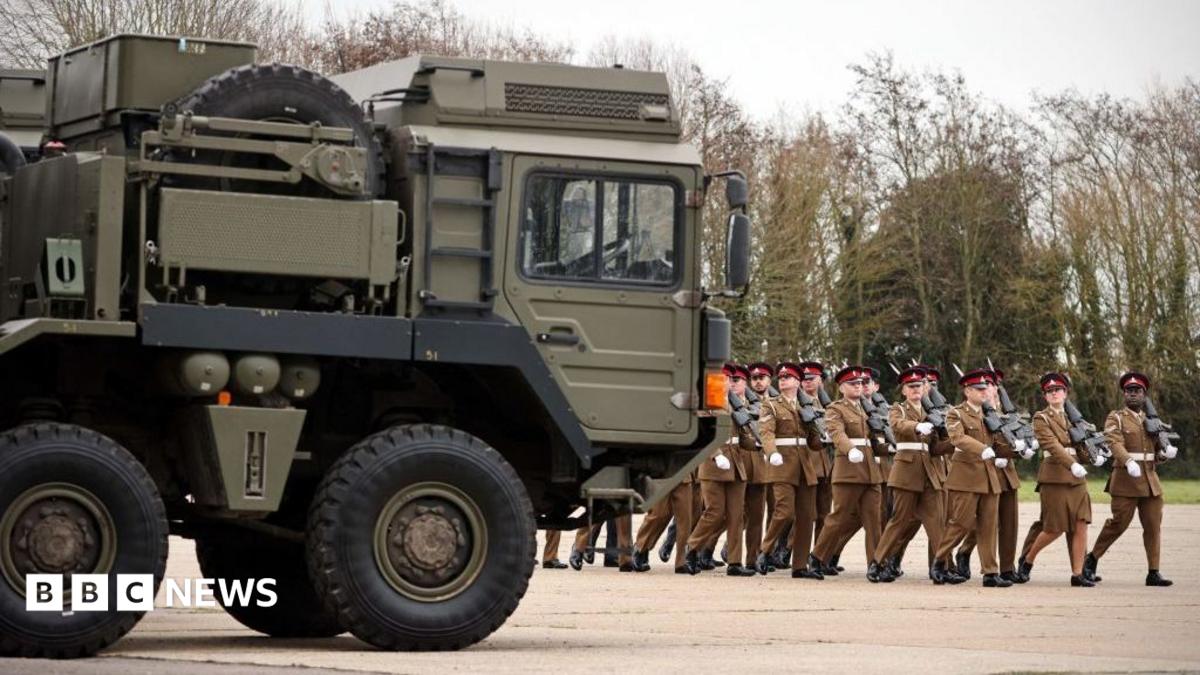
The Conservative party has pledged to invest £10 billion over ten years in a new British air defence system, dubbed “Britannia Shield,” intended to protect against drone and missile attacks on critical national infrastructure. The proposal comes amid warnings of increased Russian drone incursions and a changing nature of warfare, with inspiration drawn from Israel’s Iron Dome, though Conservative leader Kemi Badenoch clarified the system would not be a direct replica. The £10 billion commitment would allocate £1 billion annually to the project.
Badenoch cited the war in Ukraine and the impact on Gulf countries, as well as input from figures like Ukrainian President Volodymyr Zelensky, in shaping the plan. She described a “new type of warfare” requiring a different approach to missile defence, anticipating potential attacks via drones and missiles launched from close to the English Channel. Badenoch stated funding would come from savings in the welfare budget, redirecting net-zero research spending, reinstating the two-child benefit cap, and restricting housing benefits.
While the Conservatives frame the system as a necessary upgrade to Britain’s air defences, Labour’s Defence Secretary Wes Streeting criticized the party’s record on defence and called for an apology. A report from the Commons Defence Select Committee last November highlighted that the UK lags behind European counterparts in air defence planning. Earlier this year, Gen Sir Richard Barrons estimated the cost of an Iron Dome-style system at £80 billion over ten years, a figure Badenoch disputed, stating the Conservatives’ plan is tailored to the specific threats facing the UK and will not require the same level of capability as Israel’s system. The Daily Mail reported warnings of Russian drones and missiles menacing Moldova, citing EU foreign policy chief Kaja Kallas’s condemnation of recent airspace violations.
Our reading is that the Conservatives are attempting to project an image of proactive defence preparedness, while simultaneously addressing domestic financial concerns. The proposal appears designed to appeal to voters worried about external threats, particularly given recent reports of Russian activity, but relies on funding mechanisms that have already drawn criticism and scrutiny. The framing of the system as distinct from Israel’s Iron Dome suggests an attempt to manage expectations regarding cost and capability, while also distancing themselves from potentially controversial comparisons.
Read the original coverage
💬 Comments
📜 Comment Policy