Tensions and reproaches in the parliamentary electoral debate
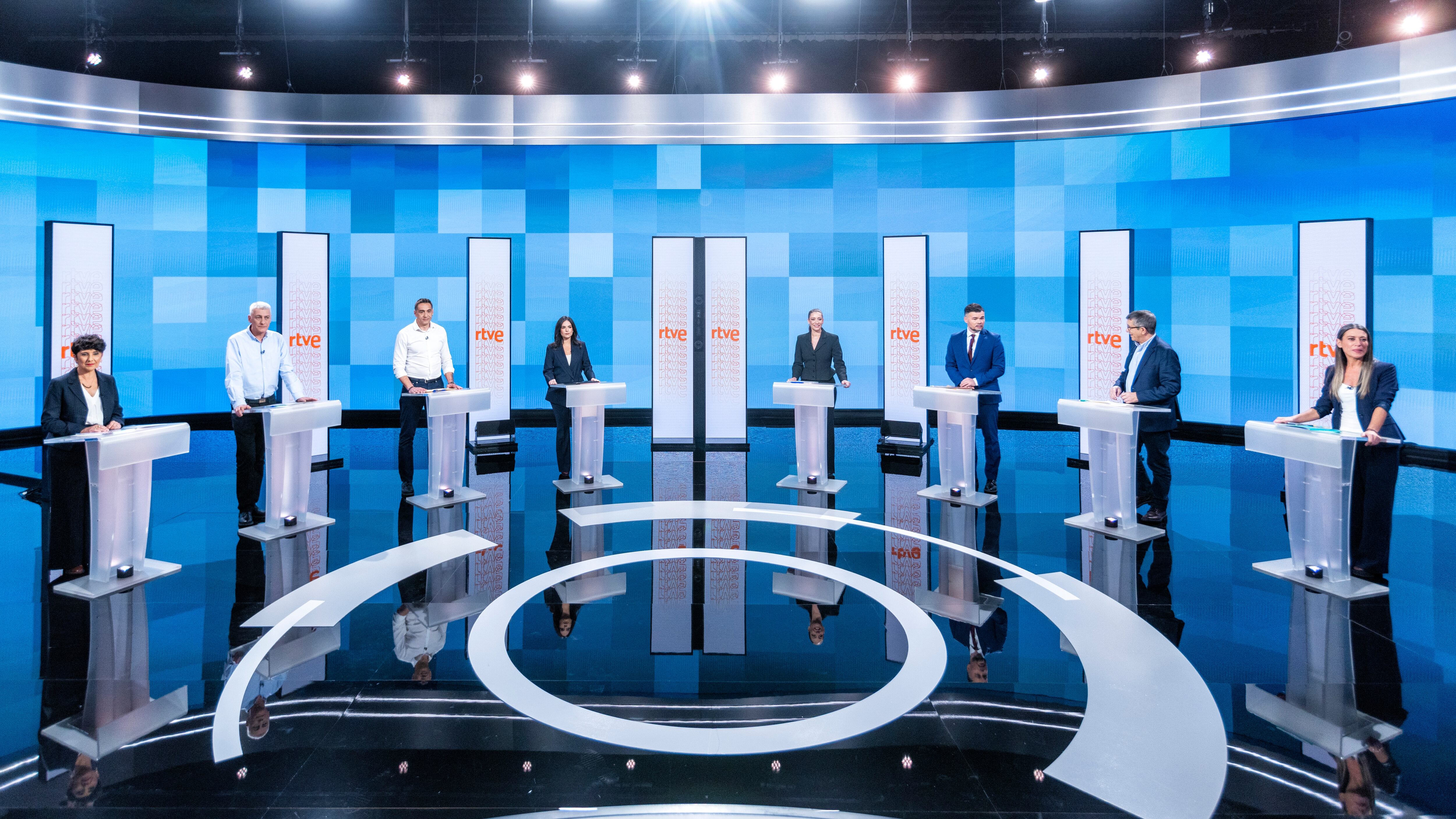
Representatives of the main political parties in the Congress starred in an electoral debate marked by cross accusations and moments of tension. The central topics of discussion included housing, pensions, the competencies of Rodalies (Catalan railway network), parliamentary pacts, and the growing political polarization in Spain.
The debate, organized by RTVE, evidenced the differences between the political formations in various areas. Housing and pensions were points of strong disagreement, while the competencies of Rodalies generated a specific debate about the management of the railway infrastructure in Catalonia. The parties also exchanged reproaches regarding the formation of parliamentary pacts and the general political situation of the country.
The spokespersons for EAJ PNV, Euskal Herria Bildu, Frente Amplio, VOX, PP, ERC, PSOE, and Junts Per Catalunya participated in the debate, presenting their respective positions and criticizing those of their adversaries. The atmosphere became tense at several moments, with direct accusations and forceful responses between the representatives of the different parties.
Although concrete details about the proposals of each party were not specified, the debate served to highlight the ideological and programmatic divergences that exist between the political formations on the eve of the general elections.
Our reading
We consider that the most probable result of this debate is the confirmation of the existing polarization, without major changes in voting intentions. A significant increase in tension, evidenced by more direct and personal accusations, could indicate a strategy to mobilize the hard vote by some parties. Conversely, an attempt to find common ground, even if superficial, would signal a search to expand their electoral base. The debate highlights the importance of issues such as housing and pensions on the Spanish political agenda, suggesting that these matters will be central in the next elections. The specific mention of Rodalies, the Catalan railway network, indicates the relevance of territorial demands and the possible negotiation of post electoral pacts with nationalist parties. Although the article does not offer details about the positions of the parties, the intensity of the accusations suggests that negotiations to form a government could be complicated. The lack of concrete proposals could be interpreted as a strategy to maintain flexibility and avoid premature commitments, or as a sign of a lack of clear ideas. What to observe The results of voting intention polls after the debate, to evaluate its impact on voter preferences (RTVE). Subsequent statements from party spokespersons, to identify possible changes in their discourse or strategy (La Vanguardia). The evolution of negotiations between parties to form a government, especially regarding the competencies of Rodalies (CNN).
Read the original coverage
💬 Comments
📜 Comment Policy