Stalking to Become Standalone Offence in England and Wales, Despite Sentence Concerns
A new standalone offence of stalking will be created in England and Wales, simplifying existing laws that were described as “cluttered and confused.” The change comes after a review led by Richard Wright KC, the prosecutor in the 2016 Alice Ruggles stalking murder case, found the current legal framework required proving harassment and additional factors like fear or distress to qualify as stalking. While the government has accepted the creation of a single stalking offence triable in either Crown or magistrates’ court, it rejected a proposal to increase the maximum sentence from 10 to 14 years.
Currently, only the more serious stalking charge, requiring proof of fear of violence on at least two occasions, can be tried in the Crown Court, where longer sentences are possible. Ministers argued the existing 10-year maximum is not fully utilized, with the average sentence for the more serious offence being 18.6 months as of March. Safeguarding minister Satvir Kaur stated the focus should be on ensuring judges use existing powers effectively rather than “changing the goal posts.”
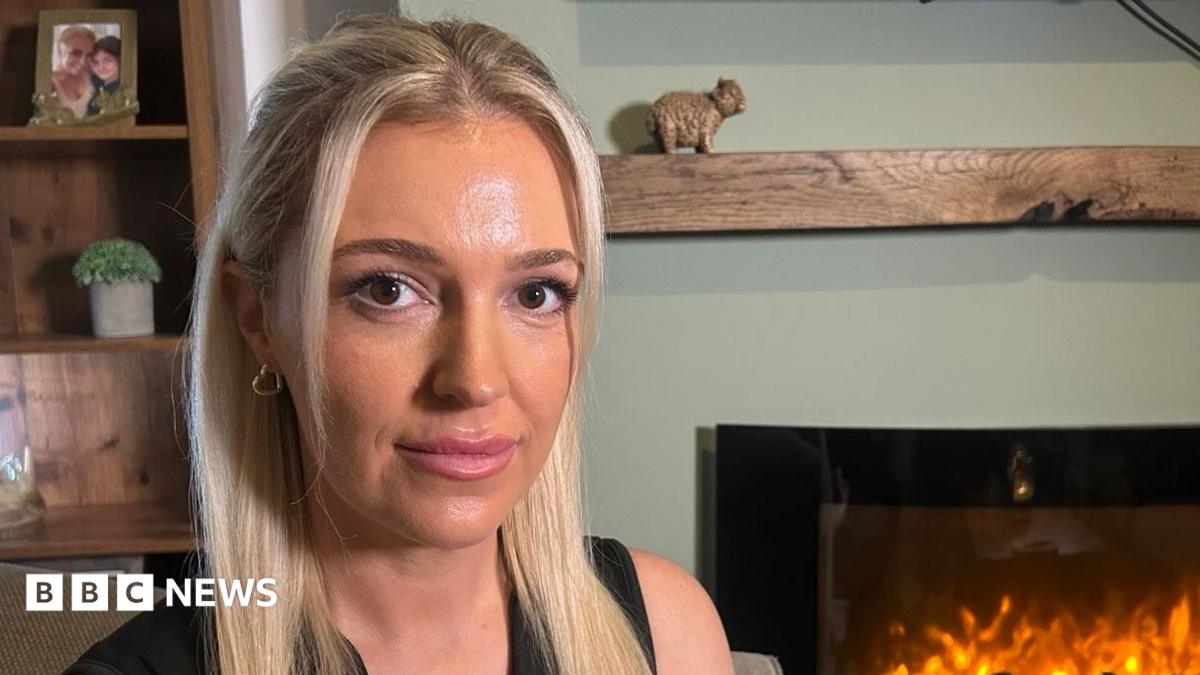
Victims have welcomed the simplification of the law. Katherine, whose former partner was arrested 28 times for stalking her, praised the creation of a single offence, noting her ex was initially charged with stalking without fear, which she deemed insufficient. Ashley, another victim, expressed disappointment that the maximum sentence would not be increased, arguing stalking has a “devastating and lifelong impact.” The parents of Alice Ruggles also welcomed the changes, hoping they will provide better protection for victims.
According to the Crime Survey for England and Wales, an estimated 1.9 million people experienced stalking in the year to March, a rise from 1.4 million the previous year. Statistics also show 17.4% of females and 8.8% of males aged 16 and over in England and Wales have experienced stalking in their lifetime. The review highlighted the current landscape of interpersonal abuse offences as having “dozens of offences… all with very similar foundations,” creating confusion and complexity.
Where they differ
- The Independent emphasized the statistical increase in stalking cases (1.9 million, up from 1.4 million), while the BBC did not highlight this specific figure.
- The Independent included a direct quote from Alice Ruggles’ parents expressing hope for legislative changes, which the BBC did not include.
- The BBC focused more on the government’s reasoning for not increasing the maximum sentence, quoting the safeguarding minister at length, while the Independent presented this information more concisely.
What is not yet known
- The long-term impact of the new law on stalking conviction rates remains to be seen.
- Whether judges will utilize existing sentencing powers more effectively, as the government hopes, is currently uncertain.
Background
- The current legal framework for stalking in England and Wales required proving harassment and additional factors like fear or distress to qualify as stalking, a system described as “cluttered and confused” [Fact Refinery, 2026-11-26].
- An estimated 1.4 million people experienced stalking in the year to March, rising to 1.9 million in the most recent year surveyed [Fact Refinery, 2026-11-26].
- Tommy Robinson was convicted of harassing two Daily Mail journalists after reacting to articles reporting his location while riots occurred in England [Fact Refinery, 2026-10-28].
- The UK has recently experienced a series of storms, including Austen and Boelo, leading to travel disruption and weather warnings [Fact Refinery, 2026-10-22, 2026-11-09].
Our reading
We begin by considering the most likely outcome: the new law will lead to a modest increase in stalking convictions, but not a dramatic one. The government’s emphasis on utilizing existing sentencing powers suggests they anticipate the current framework is the primary issue, not the severity of penalties. A less likely outcome is a significant surge in convictions, which would require a substantial shift in police and judicial practices. This could happen if the simplification of the law encourages more reporting and facilitates easier prosecution. The statistical increase in stalking cases, highlighted by the Independent, suggests a growing awareness of the issue and potentially more willingness to report it. This aligns with broader trends in reporting sexual and violent crimes. The fact that 17.4% of females and 8.8% of males have experienced stalking in their lifetime underscores the pervasive nature of this abuse and its potential impact on a significant portion of the population. The disagreement over sentencing reflects a tension between victims’ advocates, who believe harsher penalties are necessary to deter offenders and reflect the severity of the harm, and the government, which appears reluctant to be seen as “soft on crime” while simultaneously acknowledging the existing system isn’t fully utilized. The case of the man drugging and raping his wife over two decades, and inviting others to participate, demonstrates the extreme and prolonged nature of some stalking cases and the difficulty of achieving justice in such situations.
What to watch
- The number of stalking convictions in the six months following the law’s implementation, compared to the same period last year [Crown Prosecution Service data].
- Average sentencing length for stalking offences, to determine if judges are utilizing existing powers more effectively [Ministry of Justice statistics].
- Any further statements from the government regarding sentencing guidelines or potential future amendments to the law [Government press releases].
Read the original coverage
💬 Comments
📜 Comment Policy