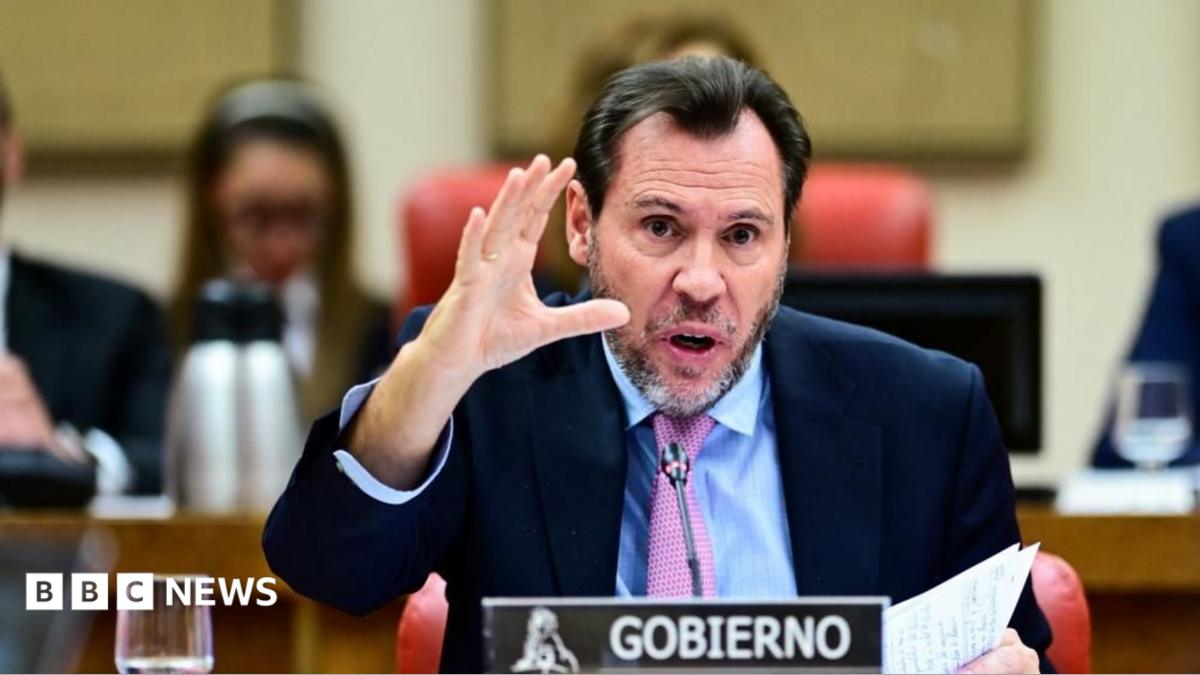
Spanish Transport Minister Óscar Puente has resigned following a high-speed train collision on October 28th south of Madrid that killed 69 people and injured dozens more. The resignation comes less than a year after a similar train crash in Andalusia, which killed 46 people. Puente announced his decision in Congress, stating that a transport minister in Spain cannot remain in office after two accidents of this severity in such a short period. Leaked audio recordings revealed conversations between train drivers and a control center indicating a high-speed train was given clearance to move despite another train being stationary on the track approximately 25km ahead. Prime Minister Pedro Sánchez has pledged to investigate the tragedy thoroughly. Puente had been facing mounting pressure to step down, and presented new rail safety measures, including plans for automated alert systems, before announcing his resignation. He stated he would withdraw his name from the list of candidates, though did not specify an exact departure date. The crash is occurring ahead of parliamentary elections on November 29, intensifying scrutiny of railway safety and adding political pressure on Sánchez.
Our reading is that the resignation of the Transport Minister is a direct response to mounting public and political pressure following two deadly train crashes within a short timeframe. The minister explicitly linked his departure to the severity and frequency of the accidents, acknowledging a perceived failure of responsibility. The swiftness of the resignation, coupled with the presentation of new safety measures, suggests an attempt to contain the damage and demonstrate accountability ahead of upcoming elections.
Read the original coverage
💬 Comments
📜 Comment Policy