Six, Including Two Children, Die in Mississippi Gulf Coast Plane Crash
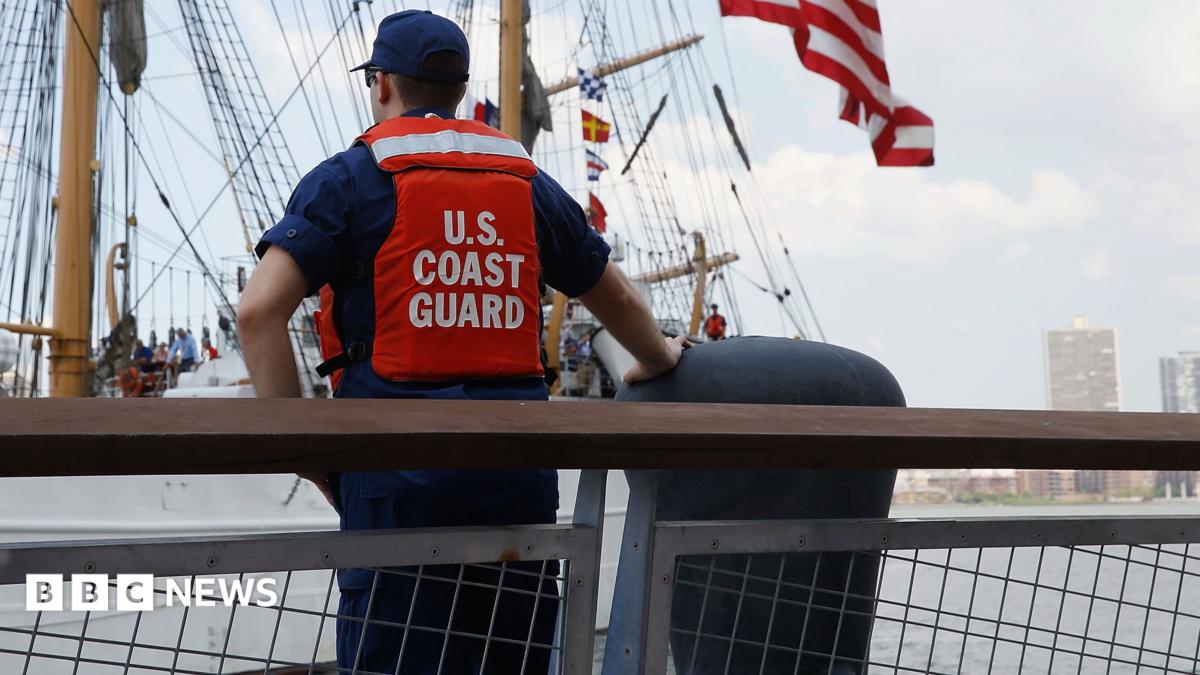
Six people, including an 8-year-old and a 10-year-old, died Tuesday when a Cessna 210 crashed in the Gulf of Mexico off the coast of Mississippi between Pascagoula and Horn Island. The plane was en route from New Orleans to Fort Myers, Florida, according to FlightAware. The US Coast Guard lost contact with the aircraft at approximately 3:45 p.m. local time while it was descending at 10,000 feet per minute. Divers recovered the bodies of four adults and two children from the fuselage. Responders initially found three life jackets, a life raft, and the plane’s cabin floating on the water. Coast Guard spokesperson Juan Ros confirmed the details of the recovery. Cmdr. Trevor Blount, the Coast Guard Sector Mobile Search and Rescue Mission Coordinator, described the situation as heartbreaking, but expressed gratitude for the interagency coordination that allowed for swift location of those aboard and closure for their families. The Federal Aviation Administration and the National Transportation Safety Board will lead the investigation into the cause of the crash, which follows a similar incident earlier in November involving a Learjet 60 in Florida that killed all nine people on board.
Where they differ
- CBS News specifically reported the rate of descent, 10,000 feet per minute, when contact was lost, citing information from the Mobile, Alabama air traffic control tower.
- The Straits Times noted the earlier crash of a Learjet 60 in Florida earlier in November, providing context of another recent deadly aviation incident.
- Sky News provided the most concise report, focusing solely on the confirmed deaths and recovery of the bodies.
- BBC US and CBS News both highlighted the location of Horn Island as part of the Gulf Islands National Seashore.
What is not yet known
- The cause of the crash remains undetermined pending the investigation by the FAA and NTSB.
- The identities of the victims have not been released.
Background
- In November, a Learjet 60 crashed in Florida, resulting in nine fatalities [The Straits Times, 2026-11-25].
- In Alaska, eight people died in a Cessna 441 crash, including two U.S. Army Corps of Engineers employees [Fact Refinery, 2026-08-21].
- A Cessna aircraft crashed in Essex, resulting in two deaths while undertaking a ‘short flight experience’ [Fact Refinery, 2026-07-01].
- The Federal Aviation Administration (FAA) and the National Transportation Safety Board (NTSB) are the agencies responsible for investigating civil aviation accidents in the United States [background knowledge].
Our reading
We find the proximity of this crash to the Florida Learjet incident noteworthy. While each event requires individual investigation, the recurrence of fatal aviation accidents within a short timeframe suggests a potential need to review safety protocols or maintenance standards across smaller, private aircraft. Most likely, the NTSB investigation will reveal a mechanical failure or pilot error specific to this Cessna, and the pattern will prove coincidental. Less likely, but a possibility that would tip the balance toward broader scrutiny, is the discovery of a systemic issue affecting multiple aircraft of similar type or age. The recovery of life jackets and a life raft suggests some level of preparation for a water landing, though clearly insufficient to prevent fatalities. This detail, combined with the rapid descent rate reported by CBS News, raises questions about the nature of the emergency that preceded the crash. THE OTHER SIDE, The families of the victims are, understandably, the immediate focus of concern. The lack of released identities suggests a sensitivity to their grief and a desire to allow them time to process the loss. The Coast Guard’s emphasis on interagency coordination and providing closure to families indicates an awareness of the emotional impact of such events, and a priority on compassionate response alongside the technical investigation.
What to watch
- The preliminary report from the NTSB, expected within weeks, detailing the flight data recorder and cockpit voice recorder analysis [NTSB website].
- The release of the victims’ identities by authorities, which will likely occur after family notification is complete [local Mississippi news outlets].
- Any statements from Cessna regarding the aircraft’s maintenance history or potential design flaws [Cessna official website].
Read the original coverage
💬 Comments
📜 Comment Policy