Russian Military Losses Mount in Ukraine War, Data Shows Expansion of Conflict
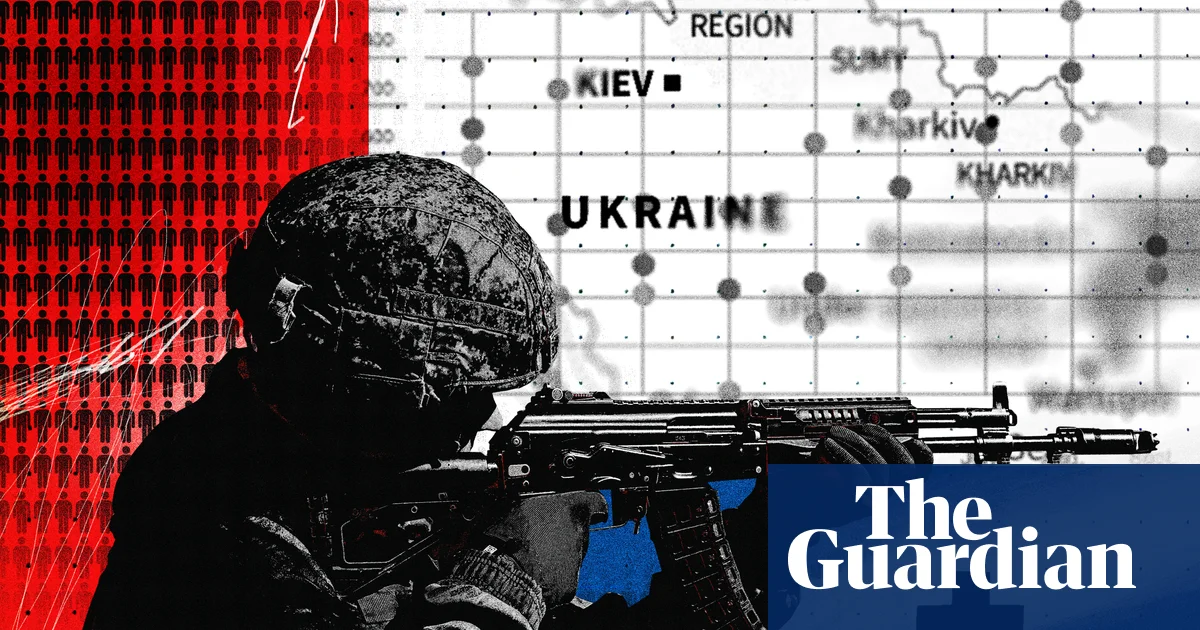
Data from leaked death certificates indicates Russia has suffered at least 460,000 war-related deaths since the full-scale invasion of Ukraine began in February 2022, with 2025 proving the deadliest year of the conflict. The figures, analyzed from records compiled by Russia’s state statistics agency, reveal a staggering rate of loss, peaking at 720 men per day near Pokrovsk in May 2025, despite minimal territorial gains. War became the leading cause of death for Russian men under 65 last year. While Russia’s defense ministry last reported figures in September 2022, stating 5,937 servicemen killed, experts suggest the actual toll is far higher, with a ratio of killed to wounded potentially exceeding the typical 3:1. Alongside escalating losses on the frontlines, Ukraine has expanded its attacks to targets far beyond its borders, including a recent strike on a Russian cargo ship near Libya and damage to a vessel in the Gulf of Finland. This expansion reflects Ukraine’s growing technological capabilities and a strategy to exert pressure on Russia beyond direct battlefield engagements. Libya has filed a complaint to the United Nations regarding the attacks, while Ukraine faces accusations of involvement in internal affairs in Sudan, Mali, and Niger, allegations Kyiv denies.
Since the start of 2023, Russia has gained approximately 8,000 square kilometers of Ukrainian territory, less than 1.5% of the total area. As frontline advances stall, Russia appears to be focusing on disrupting Ukraine’s economy and quality of life in an attempt to force negotiations. The leaked data shows a steady increase in deaths, from around 20,000 in the first year of the invasion to over 134,000 in 2024, and nearly 200,000 in 2025. This scale of loss surpasses anything suffered by Russia or the Soviet Union since World War II, with approximately 15,000 Soviet soldiers killed over nine years in Afghanistan.
Where they differ
- The Guardian focused on the scale of Russian deaths revealed by leaked data, providing specific numbers and timelines of losses.
- Politico focused on Ukraine’s expansion of attacks beyond its borders, highlighting the technological prowess and strategic shift in targeting Russia’s global reach.
- The Guardian provided historical context by comparing current losses to those of the Soviet war in Afghanistan.
- Politico detailed the diplomatic fallout from Ukraine’s attacks, specifically the Libyan government’s complaint to the UN.
What is not yet known
- The full extent to which Ukraine is involved in conflicts in Sudan, Mali, and Niger remains unclear, despite accusations and denials.
- The impact of Ukraine’s expanded attacks on Russia’s long-term strategic capabilities and willingness to negotiate is yet to be determined.
Background
- Russia launched a full-scale invasion of Ukraine in February 2022, currently controlling approximately 20% of the country and demanding the surrender of Ukraine’s eastern Donbas region [Fact Refinery, 2026-11-22].
- Since the start of 2023, Russia has gained approximately 8,000 square kilometers of Ukrainian territory, less than 1.5% of the total area [article].
- The Soviet Union suffered approximately 15,000 deaths over nine years in Afghanistan, a figure dwarfed by current Russian losses in Ukraine [article].
- Ukraine has recently expanded its attacks beyond its borders, targeting vessels in Libya and the Gulf of Finland, and facing accusations of involvement in conflicts in Sudan, Mali, and Niger [article].
Our reading
We are struck by the scale of Russian losses, now exceeding half a million war-related deaths according to leaked data. The most likely outcome is a continued grinding conflict, with Russia attempting to compensate for battlefield failures by escalating economic warfare against Ukraine. A less likely, but possible, outcome is a negotiated settlement, triggered by either internal instability within Russia or a shift in Western support for Ukraine. This would require a demonstrable stalemate and a willingness from both sides to compromise, neither of which currently appears present. The expansion of Ukrainian attacks beyond its borders introduces a dangerous escalation, potentially drawing other nations into the conflict. The complaint filed by Libya to the UN, and accusations of Ukrainian involvement in African nations, suggest a broadening of the theatre and a risk of further diplomatic fallout. This aligns with reports of Ukraine’s “shadow fleet” targeting Russian tankers, indicating a strategy to disrupt Russia’s economic capabilities globally. Considering Russia’s immense losses, surpassing those of the Soviet-Afghan war, it is plausible that morale is severely impacted, potentially contributing to the reported high number of suicides within the Russian military. This internal pressure, combined with limited territorial gains, may force Russia to rely increasingly on destructive tactics, further exacerbating the humanitarian crisis and potentially triggering greater international condemnation.
What to watch
- The next official statement from the Russian defense ministry regarding casualties [any Russian state media outlet].
- Any formal response from the UN Security Council regarding Libya’s complaint about Ukrainian attacks [UN website].
- Ukrainian territorial control as of January 1, 2026, to assess the effectiveness of Russia’s current strategy [Institute for the Study of War].
Read the original coverage
💬 Comments
📜 Comment Policy