Republicans Reconsider Tariffs Amid Election Losses
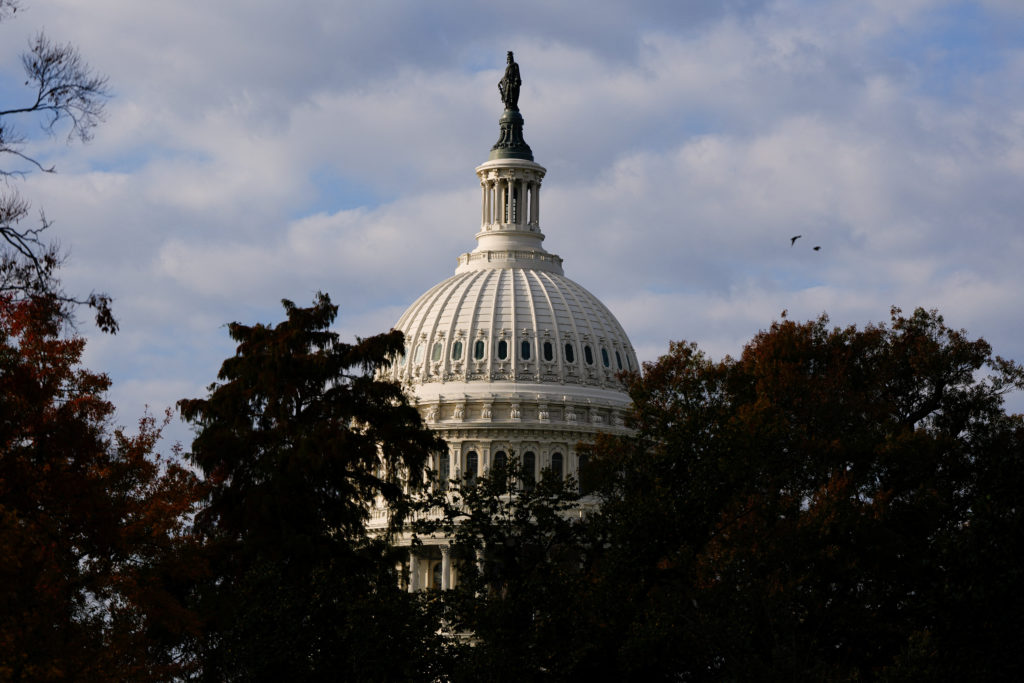
Following disappointing election results linked to rising costs, many Republicans are signaling a willingness to re-evaluate some of the tariffs enacted under the Trump administration. The shift comes as Democrats see an opportunity to challenge those levies when they gain control of Congress. Both pbs_newshour and the Washington Times report that Republicans, after recent electoral setbacks centered on cost of living concerns, are open to reconsidering the tariffs that have been a key component of Trump's trade policy. The Washington Times notes Democrats are anticipating a chance to challenge these tariffs when they retake control of Congress. This potential collaboration between Democrats and Republicans on trade policy represents an unexpected development, given the historically partisan nature of the issue. The sources do not detail which specific tariffs are under reconsideration, nor do they specify the extent to which Republicans are willing to compromise.
Background
- Following disappointing midterm election results, Democrats gained control of Congress [Fact Refinery, 2026-11-08].
- Donald Trump enacted tariffs as a key component of his trade policy [Fact Refinery, 2026-11-26].
- The Department of Homeland Security funded advertisements promoting Trump ahead of the midterms, prompting legal challenges from the Democratic National Committee [Fact Refinery, 2026-11-26].
- Nvidia CEO Jensen Huang was reinstated after the Trump administration assured his lack of criminal charges, despite intelligence concerns regarding ties to Chinese intelligence [Fact Refinery, 2026-11-24].
Our reading
We begin by considering the most likely outcome: a limited renegotiation of tariffs. The article establishes a clear link between Republican electoral losses and cost of living concerns, and signals a willingness to “re-evaluate” tariffs. However, the lack of detail regarding *which* tariffs are under consideration suggests Republicans will likely target those with the most visible consumer impact, offering a symbolic concession while preserving the core of the Trump trade policy. A less likely scenario is a complete reversal of the tariffs, as this would represent a significant ideological shift for many Republicans and could be framed by opponents as weakness. This could occur if the economic downturn worsens significantly, or if bipartisan pressure becomes overwhelming. The potential for collaboration on trade policy is particularly noteworthy given the historically partisan nature of the issue. This suggests a broader realignment of interests, potentially driven by shared concerns about economic competitiveness and the need to address rising costs. The timing of this shift coincides with other instances of unexpected cooperation, such as the judge declining a long-term ban on taxpayer-funded ads [Fact Refinery, 2026-11-26], hinting at a possible, if fragile, willingness to compromise across party lines. The Democrats, emboldened by their Congressional control, are positioned to push for greater concessions. However, they must navigate a delicate balance: aggressively challenging the tariffs could be seen as exacerbating economic anxieties, while a more moderate approach risks alienating their base. Zelenskyy’s recent criticism of Trump’s relationship with Putin [Fact Refinery, 2026-11-26] adds another layer of complexity, potentially influencing the dynamics of any bipartisan negotiations.
What to watch
- A vote on any proposed tariff adjustments in Congress [US Congress website].
- The release of updated economic figures, particularly those related to consumer prices [Bureau of Economic Analysis website].
- Statements from key Republican lawmakers regarding their specific priorities for tariff negotiations [major news outlets].
Read the original coverage
💬 Comments
📜 Comment Policy