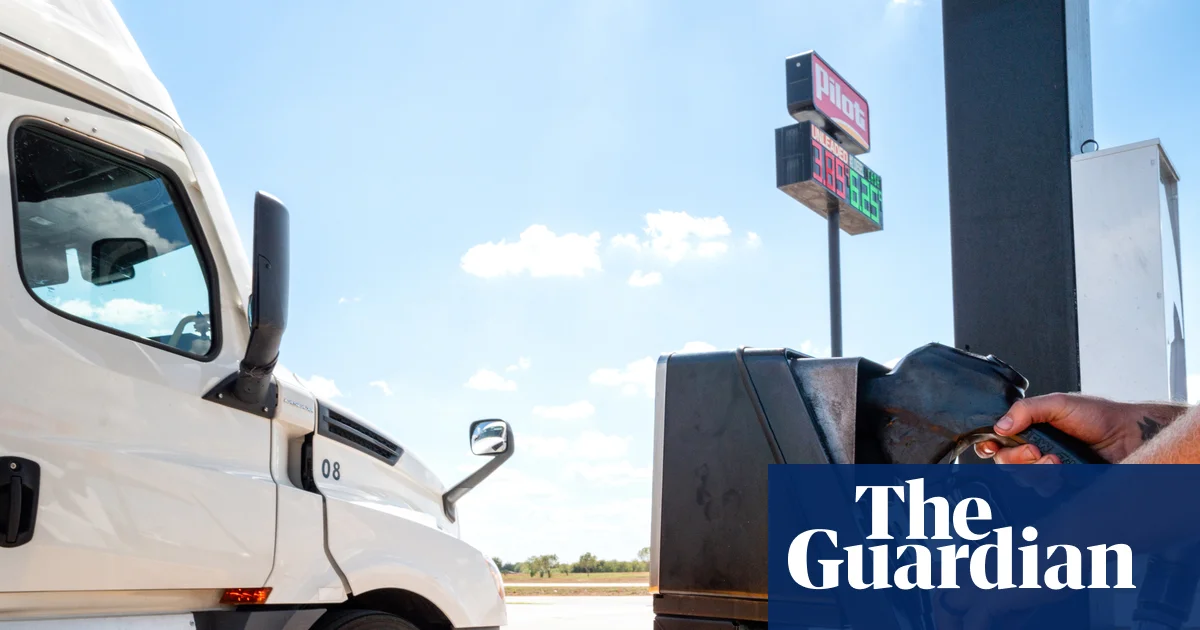
Texas Attorney General Ken Paxton, running for Senate, acknowledged in leaked audio that the Iran war and resulting high gas prices are a “biggest problem” for Republicans heading into the election, even as he previously defended U.S. involvement in the conflict. Speaking at a closed-door fundraising event, Paxton said the war, not tariffs, was “dragging” his campaign, with diesel prices exceeding $6 per gallon and impacting affordability for voters. He stated he was trying to address costs through a proposed tax cut plan, but acknowledged limited control over external factors influencing the race.
The comments, first reported by Axios, align with recent polling data indicating that a majority of Americans blame Trump’s policies for poor economic conditions and high costs, with approximately 74% viewing the economy negatively and 65% directly blaming Trump’s policies for higher prices. Paxton’s campaign spokesperson, Madison Cercy, characterized the comments as stating the obvious, that gas and diesel prices are high, and emphasized Trump’s efforts to lower prices and Paxton’s plan to provide tax relief.
Politico reported Paxton privately admitted outside forces in Washington D.C. are controlling much of his campaign messaging. The Daily Caller noted Paxton previously defended U.S. involvement in preventing Iran from developing nuclear weapons, even as he now acknowledges the war’s negative impact on his campaign. Gas prices have risen roughly 44-50% since the start of the conflict in February, with diesel prices averaging $6.30 as of Wednesday, up from $3.68 in October 2025. This increase has contributed to a 3.4% rise in grocery costs since January 2025. The situation leaves Paxton navigating a challenging Senate race where he feels a lack of control over key issues and messaging.
Our reading is that Paxton is attempting to publicly manage a political problem: the economic consequences of a war he previously supported. He acknowledges the war is hurting Republicans electorally, despite his prior defense of US involvement, and frames the issue as being beyond his control. The differing emphasis in reporting suggests a narrative battle over whether this is a pragmatic admission of reality or a disingenuous attempt to deflect blame.
Read the original coverage
💬 Comments
📜 Comment Policy